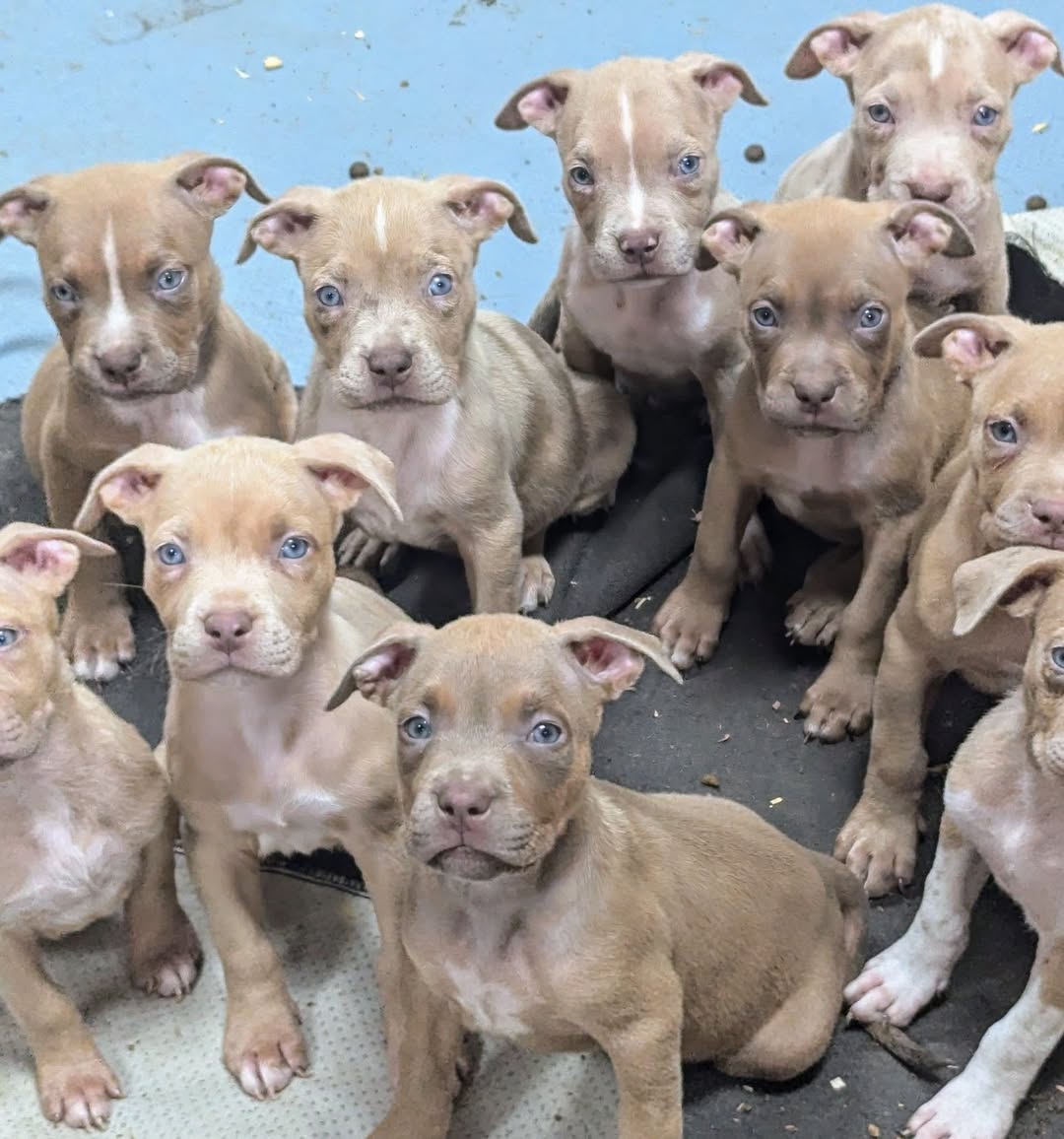
A powerful XL American Bully can turn heads before he ever takes a step, and color is often the first detail people notice. The most popular bully coat colors bring a distinct look to a dog with already commanding size, muscle, and presence. Still, the right puppy is never just about a rare shade. Structure, temperament, pedigree, health screening, and the way a pup is raised matter just as much as the color that catches your eye.
For families, color may be a personal preference. For serious breeders, it can be part of a carefully planned program. Either way, understanding what you are seeing helps you choose with confidence instead of getting carried away by a flashy photo.
The Most Popular Bully Coat Colors
American Bullies come in a wide range of striking coat patterns and shades. A dog’s color is shaped by genetics, so certain looks are more difficult to produce consistently than others. Rarity can influence demand, but it should not replace quality.
Blue
Blue is one of the most recognizable colors in the bully world. It is not a true bright blue. Instead, it is a diluted black that creates a cool slate-gray coat, often paired with gray or lighter eyes and a gray nose.
A well-built blue XL Bully has a clean, unmistakable look. The color puts definition on broad shoulders, a thick chest, and a strong headpiece, especially in natural light. Blue may appear as a solid coat or be combined with white markings, brindle striping, or tri-color points.
Because blue has been popular for years, buyers should look past the color label. A blue puppy should still have balanced movement, a confident but stable personality, and documented breeding behind him.
Lilac
Lilac is a premium color that has become a major favorite among enthusiasts and breeders. It is created through a combination of color-dilution genetics and usually presents as a soft gray-brown, lavender, or silvery taupe tone. Lilac puppies can change noticeably as they mature, with the coat sometimes developing warmer or cooler tones over time.
The appeal of lilac is easy to understand. It is uncommon, clean-looking, and dramatic on a massive bully frame. Lilac dogs often have light eyes as young puppies, although eye color can change with age. Nose pigment may range from lavender-gray to a soft brownish tone.
Lilac does not automatically mean better, but a correctly bred lilac with strong bone, a wide rear, correct front assembly, and a family-ready temperament is a serious package. That combination is what makes people remember the dog, not the color alone.
Lilac Tri
Lilac tri is one of the most requested looks in premium American Bully programs. A tri-color dog has three visible colors, typically a lilac base with tan points and white markings. The tan points usually appear above the eyes, on the cheeks, chest, legs, and under the tail.
A clean lilac tri pattern creates high contrast and gives each dog an individual look. Some puppies have bold white blazes and full collars, while others carry more subtle white. The amount of white does not determine quality, but balanced markings can add to the overall visual appeal.
For breeders, lilac tri genetics require thoughtful pairings. For buyers, the main takeaway is simpler: expect a dog that stands out. If you want a bully with a polished, high-end look while still prioritizing a loving household companion, lilac tri is a natural choice.
Merle
Merle is one of the boldest patterns seen in bully-type dogs. Rather than being a single color, merle creates mottled patches of darker pigment over a lighter base. Blue merle, lilac merle, and chocolate merle are among the variations buyers commonly ask about.
No two merle dogs are exactly alike. One may have large dark patches and dramatic facial markings, while another has a lighter, more marbled coat. This built-in individuality is a huge part of merle’s appeal.
Merle also demands responsible breeding decisions. The pattern should be produced only through knowledgeable planning, not rushed pairings designed to chase a trend. A reputable breeder evaluates the full dog and uses appropriate genetic practices, because coat color should never come before the long-term welfare of the litter.
Champagne
Champagne is another refined, eye-catching color that continues to gain attention. It can range from a pale beige or sandy gold to a richer metallic tan, often with lighter eyes and distinctive pigment. In some lighting, champagne dogs can appear almost cream-colored. In others, the coat carries a warm, glossy depth.
Champagne looks especially impressive on an XXL frame because it highlights a dog’s silhouette without overpowering the details of the body. A broad chest, heavy bone, and strong topline are easy to appreciate against this lighter, clean-colored coat.
As with every shade, individual variation is normal. Two champagne puppies from the same litter may develop different tones as their adult coats come in. The best approach is to love the dog in front of you rather than expect a color to look identical at every age.
Black, Black Tri, and Brindle
Classic colors still deserve respect. A deep black American Bully can look every bit as elite as a rare-color dog when the structure is right. Solid black creates a bold, powerful profile and can make a muscular frame look even more imposing.
Black tri adds tan points and white markings to that dark base, giving the dog a sharp, polished pattern. It is a favorite for buyers who want contrast without moving into diluted colors.
Brindle brings striping into the mix, with darker streaks layered over a lighter background. Blue brindle, fawn brindle, and black brindle can all look outstanding. The pattern can be subtle or highly visible, and it often becomes more defined as a puppy grows. Brindle is a reminder that a coat does not have to be rare to be memorable.
Choosing Among Popular Bully Coat Colors
Color matters because you should be excited about the puppy you bring home. There is nothing wrong with wanting a blue male, a lilac tri female, or a one-of-one merle with the look you have always wanted. But color should be one part of the decision, not the entire decision.
Start with the dog’s overall build. In XL and XXL American Bullies, look for a balanced frame, strong bone, a confident stance, and athletic movement that matches the dog’s size. A massive head is impressive, but it should fit the body. Width is valuable, but it should not come at the expense of soundness.
Then consider temperament. The right bully should be social, affectionate, and steady around the people in his home. Early handling and exposure make a real difference. A puppy raised with attention, routine, and responsible socialization has a stronger foundation for becoming the loyal family companion buyers want.
Pedigree also matters, particularly for breeders or buyers with long-term goals. Proven bloodlines can offer insight into the traits behind a puppy, including size, head type, rear structure, color potential, and temperament. Registration and health records help provide another layer of confidence.
At Showtime Bullies, the goal is not simply to produce a color that photographs well. It is to pair standout color genetics with the oversized structure, strong pedigree, and family-minded temperament that make an American Bully worth bringing home.
Does Coat Color Affect Personality or Size?
No coat color guarantees a certain personality, size, or level of protection. A lilac tri is not automatically calmer than a blue dog, and a merle is not automatically more athletic than a black brindle. Those traits are influenced far more by genetics beyond color, breeding selection, upbringing, training, and the individual puppy.
Color can be useful information in a breeding program, but it is not a shortcut to predicting character. The most impressive bully is the one that combines a look you love with a stable mind, correct structure, and the ability to thrive in your home.
When you meet a litter, pay attention to more than the standout coat. Watch how each puppy responds to people, how he carries himself, and how he interacts with his littermates. Ask about the parents, the health protocols, registration, vaccination schedule, and pickup process. Those answers will serve you long after the puppy coat fades into an adult finish.
The best color is the one that makes you proud to look down at the end of the leash, while the dog beside you proves every day that he was chosen for much more than appearance.