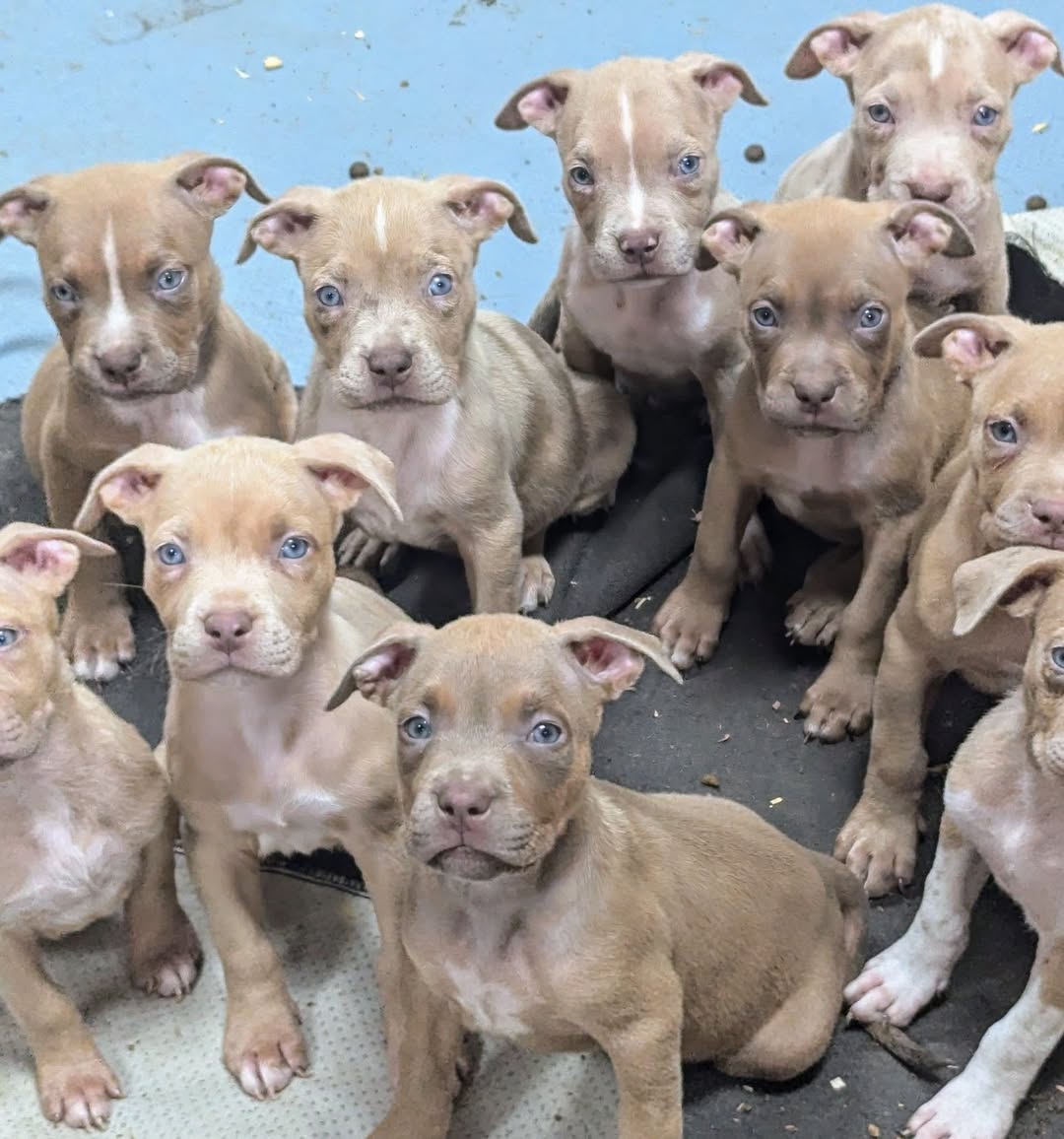
A great XL Bully does not become impressive by accident. Size, muscle, and color might catch attention first, but what really sets a puppy apart is structure, confidence, stability, and the way it fits into family life. If you are learning how to raise XL Bully puppies, the goal is not just to grow a big dog. The goal is to build a calm, healthy, well-socialized companion that looks powerful and lives right.
That starts earlier than most people think. With this breed type, the first months matter in a big way. XL Bullies are intelligent, people-focused, and typically eager to bond, but they also grow fast and become physically strong long before they are mentally mature. That means your standards, your routine, and your environment need to be consistent from day one.
How to raise XL Bully puppies from day one
The first thing an XL Bully puppy needs is structure. Not harshness, and not chaos. Puppies do best when they know where they sleep, when they eat, when they go outside, and what behavior gets rewarded. A strong dog raised without structure often becomes pushy, anxious, or hard to manage. A strong dog raised with clear boundaries usually becomes exactly what most families want – loyal, affectionate, confident, and easy to live with.
Set a routine right away. Feed on schedule, take the puppy out frequently, and create a quiet sleeping area that feels secure. Keep the first few days calm. New owners sometimes overdo excitement with visitors, toys, and constant handling. That can create stress instead of confidence. Let the puppy settle in, bond with the household, and learn the rhythm of the home before expanding its world.
Crate training helps more than many people realize. It supports housebreaking, prevents destructive habits, and gives your puppy a place to relax. The crate should never feel like punishment. It should feel like the puppy’s safe spot, especially during naps and overnight.
Feeding for growth, not just size
One mistake people make with large bully breeds is trying to push growth too fast. Everyone loves a massive head, thick bone, and wide chest, but overfeeding during early development can put unnecessary stress on joints and overall structure. Bigger is not always better if growth comes too hard and too fast.
Choose a high-quality puppy food formulated for large-breed development, and feed based on body condition rather than hype on the bag. Your puppy should look solid and healthy, not soft and overweight. You want steady development, good energy, and clean muscle, not excess fat. A thick puppy can look impressive for photos, but too much weight early on can work against long-term soundness.
Keep meals consistent and avoid constant treat-heavy snacking. Fresh water should always be available. If you plan to add supplements, do it with intention. Not every growing puppy needs extras, and too much calcium or unnecessary supplementation can cause problems rather than improvement. When in doubt, keep the nutrition program simple, balanced, and designed for controlled growth.
Socialization shapes temperament
If you want to know how to raise XL Bully puppies the right way, socialization belongs near the top of the list. This does not mean throwing your puppy into every loud situation possible. Good socialization is controlled exposure. It teaches the puppy that people, sounds, surfaces, places, and everyday handling are normal.
Start with what the puppy can handle confidently. Let it meet calm adults, respectful children, and stable vaccinated dogs. Introduce stairs, car rides, grooming tools, leashes, different flooring, and household noise. Keep these moments short and positive. The point is not to overwhelm the puppy. The point is to build confidence one experience at a time.
XL Bullies are often deeply family-oriented, and that is one of the breed’s biggest strengths. Still, family dogs are not born finished. They are shaped by repetition. A puppy that learns to be handled gently, recover from new situations, and focus on its owner will usually mature into a far better companion than one raised in isolation or overstimulation.
Training an XL Bully puppy before bad habits start
Training should begin the moment your puppy gets home. You do not need long formal sessions at first. In fact, shorter is better. A few focused minutes several times a day will take you much further than one drawn-out session.
Start with the basics: name recognition, recall, sit, leash introduction, waiting at doors, and calm behavior before meals. Reward what you want to see more of. With bully breeds, timing matters. Mark the right behavior quickly and be consistent. If one day jumping is cute and the next day it is not allowed, your puppy will not understand the rule.
The biggest training priority is not flashy obedience. It is impulse control. A puppy that learns to settle, wait, and look to you for direction becomes much easier to manage as it grows into a heavier, stronger adolescent. This matters even more with XL Bullies because their physical presence develops quickly. A habit that feels minor at 20 pounds feels very different at 80 pounds and climbing.
Confidence and leadership matter here. Your puppy does not need intimidation. It needs a calm owner who means what they say and follows through. Fair rules, repeated daily, build a dog that respects boundaries without losing its affectionate nature.
Exercise and play for a growing body
XL Bully puppies need movement, but not too much impact. Their bodies are still developing, and too much forced exercise can do more harm than good. Long runs, repeated jumping, and nonstop hard play are not the goal in early puppyhood.
Focus on age-appropriate activity. Short walks, free play in a safe area, tug with rules, basic engagement games, and confidence-building outings are plenty for a young puppy. Mental stimulation is just as valuable as physical output. Training sessions, food puzzles, supervised exploration, and place work can tire a puppy out in a productive way.
There is always a balance to strike. Too little activity can create frustration and bad behavior. Too much intensity can wear down a developing pup. The best program builds coordination, confidence, and focus without pounding the body.
Health care and daily handling
Raising XL Bully puppies well means paying close attention to health before problems become expensive or serious. Keep vaccination and deworming schedules on track. Stay current with routine veterinary care. Watch appetite, stool quality, coat condition, energy, and movement. Puppies change quickly, and small issues can turn into bigger ones if ignored.
Daily handling also matters. Touch paws, check ears, look at teeth, wipe wrinkles if needed, and get the puppy used to being examined. This makes vet visits, grooming, and general care much easier later on. A large powerful dog that accepts handling calmly is a major advantage for any family.
This is also the time to pay attention to skin and coat quality. Some bully lines can be more sensitive than others, especially when diet, environment, or hygiene is off. Clean bedding, solid nutrition, regular bathing with the right products, and prompt attention to irritation can help keep your puppy looking and feeling its best.
The difference between a pet home and a serious breeder mindset
Not every owner is raising a puppy for the same reason. Some want a family companion with standout looks and stable temperament. Others are evaluating structure, pedigree potential, and future breeding value. The day-to-day care overlaps, but the level of scrutiny can differ.
For families, the biggest win is a dog that is safe, social, healthy, and dependable around the home. For breeders and enthusiasts, it also makes sense to monitor movement, proportions, bite, chest development, confidence, and how the puppy matures over time. Strong bloodlines help, but they do not replace proper raising. Even a well-bred puppy needs the right environment to reach its potential.
That is why established programs put so much emphasis on early socialization, health protocols, and hands-on raising. At Showtime Bullies, that mindset is part of what separates a premium puppy from one that simply has a good pedigree on paper.
Common mistakes to avoid
Most problems come from inconsistency. People allow rough play, reward demanding behavior, skip socialization, or confuse overfeeding with quality care. Then later they wonder why the puppy is unruly, nervous, or physically out of balance.
Another mistake is waiting too long to train because the puppy still seems small and cute. XL Bullies grow into themselves quickly. The owner who puts in the work early usually gets the reward later. The owner who delays often ends up trying to fix habits that were easy to prevent.
It also helps to stay realistic. Every puppy develops at its own pace. Some are naturally bolder. Some need a little more time. Some lines mature heavier, wider, or slower than others. Good raising is not about forcing every pup into the same mold. It is about bringing out the best version of the dog in front of you.
Raise your XL Bully puppy with pride, patience, and standards that stay steady every day. Do that, and you are not just building a striking dog – you are building the kind of companion people remember for all the right reasons.