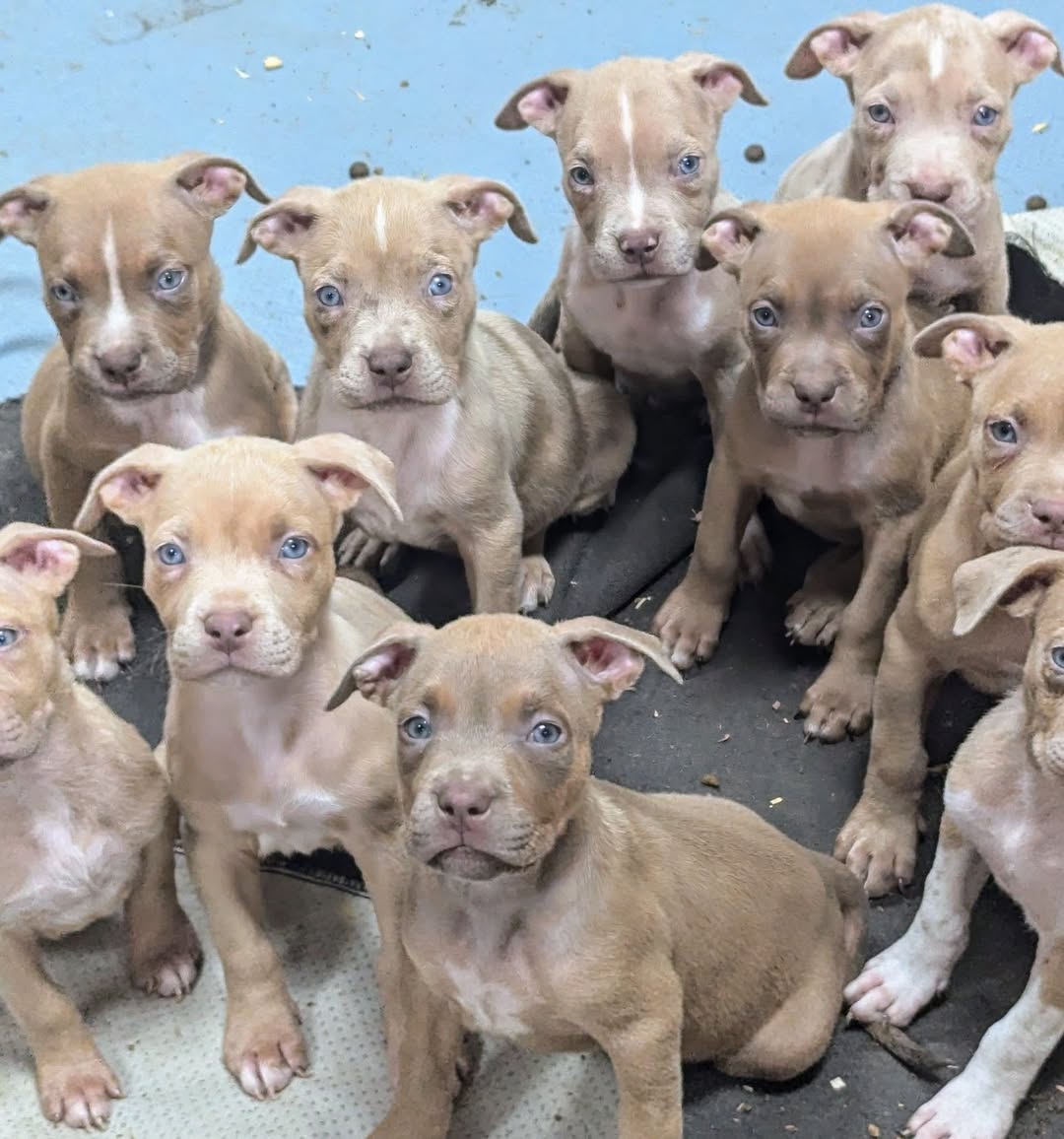
If you are drawn to the XL American Bully because of the size, muscle, and presence, temperament has to matter just as much. A real xl bully temperament guide starts with this truth: the best dogs in this class are not just impressive to look at. They are stable, people-focused, affectionate, and confident enough to live as true family companions.
That matters because this breed type gets judged from the outside first. People see power before they see personality. Experienced owners and serious breeders know better. A well-bred XL Bully should have strength without unnecessary sharpness, confidence without chaos, and loyalty without unstable behavior. When those pieces come together, you get a dog that turns heads in public and settles in at home.
What the XL bully temperament guide should actually tell you
Temperament is not one single trait. It is the combination of nerve, confidence, sociability, tolerance, drive, and how a dog responds to pressure, novelty, and handling. In XL Bullies, the goal is a balanced dog that can be active and alert when needed but still easy to live with day to day.
That balance is one of the biggest differences between a quality-bred XL American Bully and a dog produced with no real standards. Strong structure and standout color may catch attention, but temperament is what determines whether a dog can thrive around family, guests, children, and everyday activity. A dog with pedigree, mass, and color but unstable behavior is not the full package.
The ideal XL Bully is affectionate and engaged with its people. These dogs often want to be close, whether that means following you through the house, laying at your feet, or watching everything you do. They are known for loyalty and connection. That said, affection should not be confused with softness in every situation. Good dogs in this category are often self-assured and physically bold. They should be grounded, not nervous.
Core XL Bully temperament traits
In a strong program, XL Bullies are bred for companion temperament as much as visual power. That usually shows up in a few reliable ways.
People-focused and affectionate
Most well-bred XL Bullies are naturally drawn to human interaction. They enjoy contact, attention, and routine involvement with the family. This is one reason so many owners describe them as oversized lap dogs. They are often happiest when they are included, not left off on their own for long stretches.
Confident, not frantic
Confidence is a major green flag. A stable XL Bully should be able to approach new spaces, new sounds, and new people without shutting down or overreacting. That does not mean every dog is automatically outgoing with strangers. Some are more reserved. The key is composure.
Tolerant with proper boundaries
A family-friendly temperament includes patience, but tolerance is built and maintained. Even a gentle dog needs respectful handling, clear rules, and supervision around children. The strongest family dogs are not those with no boundaries. They are the ones raised with structure, consistency, and calm exposure.
Alert but not needlessly reactive
XL Bullies are often naturally attentive to their environment. They notice people coming onto the property, changes in routine, and unusual movement. That can be a positive trait. What you do not want is a dog that explodes at every sound, pulls into chaos on walks, or cannot recover once stimulated.
What shapes temperament most
The biggest mistake buyers make is assuming temperament is either all genetics or all training. It is both. And with XL Bullies, the interaction between breeding and early development matters a lot.
Genetics set the ceiling and the floor
A puppy from stable, proven parents starts with a stronger foundation. If the sire and dam are clear-headed, social, manageable, and consistent in different settings, the odds improve dramatically. If the line is known for poor nerves, extreme reactivity, or unstable behavior, training can only do so much.
That is why serious breeders look beyond color and bulk. Bloodline matters, but not just for looks. The right pedigree should carry temperament reliability, not only size and bone.
Early socialization builds confidence
This is where a puppy’s world starts to open up. Early, controlled exposure to handling, surfaces, sounds, routines, and people teaches the dog how to process new experiences. A puppy raised with real human contact and structure usually reads the world very differently from one raised with minimal interaction.
The best socialization is not random overload. It is steady, positive, age-appropriate exposure. Too little can create uncertainty. Too much too fast can create stress. The sweet spot is calm repetition that teaches the puppy to adapt.
Daily handling matters more than hype
The dogs that mature well are usually the ones that are touched, guided, corrected fairly, and included in everyday life. Nails, ears, bathing, crate time, leash work, guests at the house, car rides – these ordinary experiences shape an XL Bully into a more reliable adult.
Temperament by life stage
Puppies are not miniature adults, and this is where expectations need to stay realistic. An XL Bully puppy may be playful, clumsy, mouthy, stubborn, and highly curious. That does not mean the dog has a bad temperament. It means the dog is immature.
Adolescence is often the true test. This stage can bring more independence, more physical confidence, and selective listening. Some dogs become pushier. Some become more cautious during fear periods. This is where consistency matters. Owners who stay calm, structured, and involved usually get through this phase with a much better adult dog.
Maturity tends to bring more steadiness. A properly bred and properly raised XL Bully often settles into a composed, loyal companion with a strong off-switch in the home. That off-switch is a premium trait. A big, muscular dog that can relax in the house is far easier to live with than one that stays overstimulated all day.
Are XL Bullies good with kids and other pets?
This is where honesty matters more than blanket statements. Many XL Bullies do very well with children when they are bred for stability and raised in a family-centered environment. They are often affectionate, tolerant, and highly bonded with their people. But size alone changes the equation. Even a sweet dog can knock over a small child by accident, so supervision and manners are non-negotiable.
With other dogs and pets, it depends on the individual dog, the line, early exposure, and management. Some XL Bullies are very social. Some are more selective. Same-sex tension can happen in bully breeds, especially as dogs mature. That does not make the breed unsuitable, but it does mean buyers should be realistic and not assume every dog will mix effortlessly with every animal.
Red flags buyers should watch for
A strong xl bully temperament guide should also cover what not to ignore. Extreme fearfulness, chaotic reactivity, inability to settle, or wild inconsistency with people are all warning signs. So is a breeder who talks only about head size, color, and muscle but cannot speak clearly about parent temperament and early socialization.
You also want to pay attention to how puppies respond in person. A confident puppy does not need to be the loudest in the litter. Look for curiosity, recovery after surprise, comfort with handling, and a willingness to engage. A pup that melts down under basic stress or shows no interest in people deserves a closer look.
How owners bring out the best temperament
Even the best-bred XL Bully still needs leadership. That does not mean harsh handling. It means clear rules, fair correction, routine, and enough engagement to keep the dog mentally settled.
Training should start early and stay simple. Marker work, leash manners, crate training, place work, and calm greeting behavior go a long way with this breed type. Because XL Bullies are strong and substantial, obedience is not optional. It is part of responsible ownership.
Exercise matters too, but more is not always better. These dogs need movement and stimulation, but they also benefit from learning how to be calm. A dog that only knows high energy can become harder to manage. Balanced routines usually produce better behavior than constant arousal.
For families and breeders alike, the real goal is the same: a dog with presence, loyalty, and a stable mind. That combination does not happen by accident. It comes from intentional breeding, early socialization, and owners who respect the power of the breed while raising the dog with consistency. When all three line up, the XL Bully becomes exactly what people hope for – a massive, impressive companion with a loving heart and a level head. If you want the best from this breed, choose for temperament as seriously as you choose for structure.