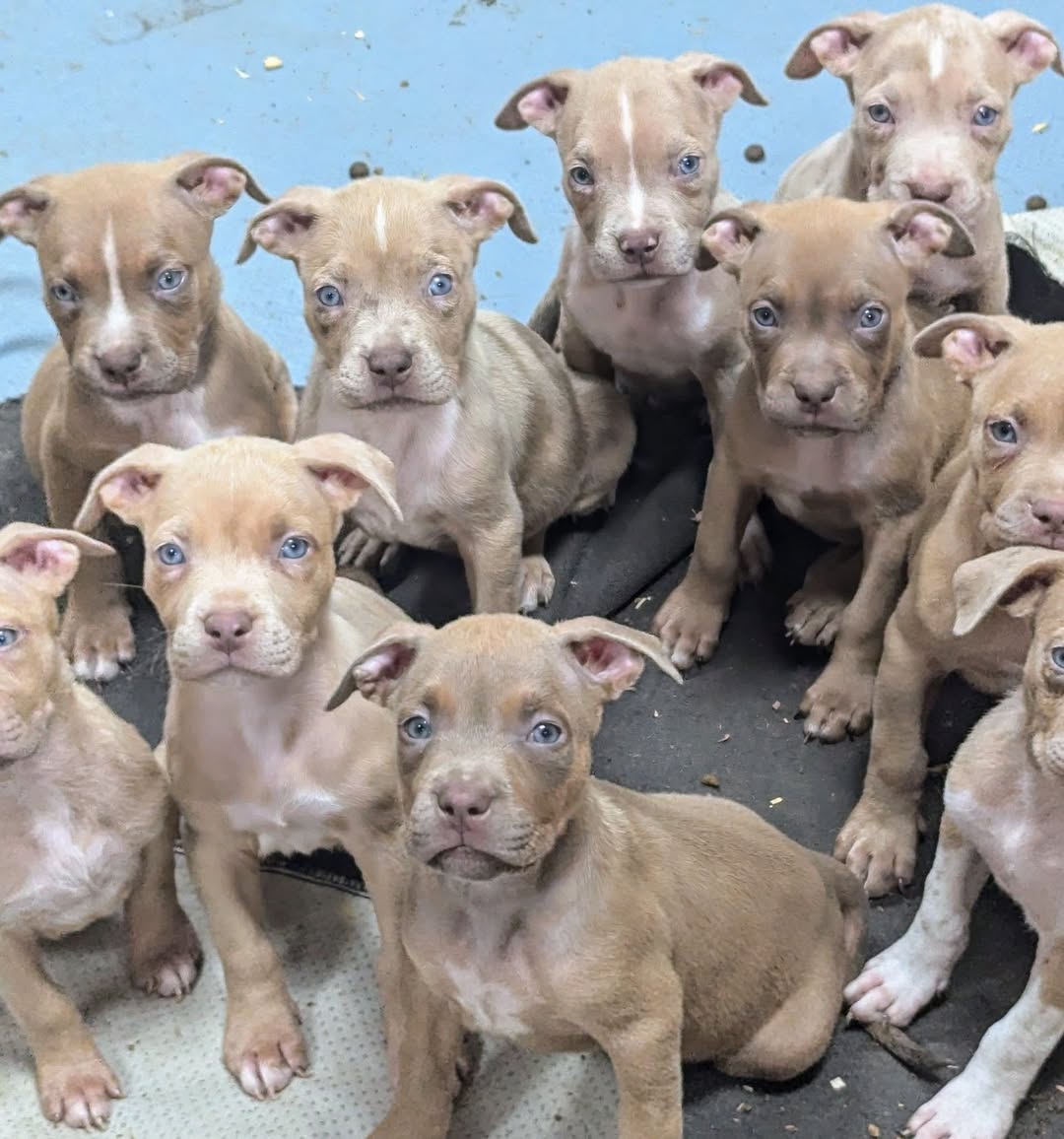
A powerful XL American Bully can turn heads before he ever leaves the truck. But the real test of a quality puppy is not just a wide chest, heavy bone, rare color, or an impressive pedigree. It is the care, planning, records, and temperament behind that puppy. Asking the best questions for a bully breeder protects your investment and helps you choose a dog that fits your family, home, and long-term goals.
A serious breeder should welcome informed questions. If someone gets defensive when you ask about health testing, parent dogs, contracts, or living conditions, take that as a signal to slow down. Premium American Bullies deserve premium standards.
Best Questions for a Bully Breeder About Health
Start with health because big, muscular dogs need thoughtful breeding behind their structure. Ask what health testing has been completed on the sire and dam, and request documentation rather than relying on verbal assurances. The exact testing plan can vary by bloodline and individual dog, but responsible breeders should be able to discuss hips, elbows, cardiac health, skin concerns, genetic screening, and any known issues within the family line.
Ask directly: “What health concerns have appeared in these bloodlines, and how are you breeding away from them?” No bloodline is perfect. An honest answer is more valuable than a claim that a line has never had a problem. Great breeders know their dogs, understand where improvement is needed, and make breeding decisions with the next generation in mind.
You should also ask which vaccinations and deworming treatments the puppy will receive before pickup, whether veterinary records are provided, and when your own veterinarian should see the puppy. Puppies should leave with clear records and age-appropriate care, not vague promises.
Ask About Structure, Not Just Size
XL and XXL American Bullies are built to make a statement, but size without correct structure is not a win. Ask how the breeder evaluates movement, rear support, feet, topline, chest, shoulder placement, and overall balance. A massive head and thick frame may photograph well, yet a dog also needs to move comfortably and live an active family life.
Ask to see videos of the parents walking and standing naturally. This matters more than a single stacked photo. A breeder who is proud of their program should be ready to show the dogs beyond carefully selected images.
Questions About Temperament and Family Life
An American Bully should bring confidence, loyalty, affection, and a stable presence into the home. Ask how the puppies are raised from the first weeks of life. Are they exposed to normal household sounds, handled daily, introduced to different surfaces, and given appropriate contact with people? Early socialization does not replace training, but it gives a puppy a stronger foundation.
Ask about the temperament of both parents. Are they social with trusted visitors? How do they behave around children, other dogs, and new environments? The answer should be specific. “They are great dogs” is not enough. Look for details about confidence, energy level, drive, affection, recovery from new situations, and how each parent handles daily life.
It also helps to ask the breeder which puppy they would recommend for your household. A family with young children, a first-time bully owner, and an experienced breeder looking for a future stud prospect may all need very different traits. The right breeder is not trying to place the flashiest puppy with every buyer. They are trying to make the right match.
Questions That Verify Pedigree and Registration
Pedigree is more than a list of famous names. It tells you about the consistency, type, structure, and purpose behind a breeding. Ask for the sire and dam’s pedigrees and find out whether the puppy is eligible for registration through organizations such as ABKC or UKC. Confirm what registration paperwork is included, who completes the transfer, and whether there are any conditions tied to breeding rights.
For buyers pursuing an XL American Bully with a certain look, ask what traits are proven across the pedigree. If you are drawn to lines known for big frames, heavy bone, compact power, or distinctive colors such as lilac tri, blue, champagne, or merle, ask to see mature relatives. A young puppy can change dramatically as it grows. The stronger question is not “Will this puppy be huge?” It is “What do the adult dogs behind this puppy consistently produce?”
Experienced breeders should also ask whether color is your top priority. A rare color can be striking, but it should never outweigh health, temperament, structure, and the quality of the overall dog.
What to Ask About the Breeder’s Program
A breeder’s setup reveals a great deal about their standards. Ask where the puppies are raised and whether you can see the environment in person or by live video if distance makes a visit unrealistic. The space should appear clean, organized, safe, and appropriate for puppies at their stage of development.
These questions deserve direct answers:
- How often do you breed each female, and how do you determine when she should retire?
- Can I meet the dam and, when possible, see the sire or detailed information about him?
- How do you select breeding pairs for temperament, structure, and health?
- What happens if a puppy develops a concern shortly after going home?
- Do you stay available for training, feeding, and adjustment questions after pickup?
There is a difference between a large-scale program and a careless operation. A serious kennel may have multiple dogs, international bloodline reach, and a deep stud roster, but it should still know each pairing inside and out. You want a breeder who can explain why a particular male was chosen for a particular female, not someone simply producing puppies because a color combination is popular.
Understand Price, Deposits, and the Purchase Contract
Premium bully puppies can be a significant investment, so clarity matters before money changes hands. Ask what the listed price includes. Does it include registration, vaccinations, a health guarantee, a puppy pack, transportation arrangements, or cropping-related services if that is something you are considering? Never assume.
Ask whether the deposit is refundable, under what circumstances it can be moved to another litter, and how the breeder chooses puppy placement order. A clear policy protects both sides. You should also understand whether the puppy is sold with full breeding rights or on a companion agreement. For future breeders, ask about stud restrictions, co-ownership terms, and expectations for preserving the quality of the line.
Read the contract carefully. A strong contract should set realistic responsibilities for the breeder and the buyer. It should not make impossible promises, but it should clearly address health coverage, return policies, care expectations, and what happens if you can no longer keep the dog.
Questions for Buyers Who Want a Future Breeding Dog
If you are buying for a breeding program, your questions need to go further. Ask how the breeder assesses potential breeding quality in a young puppy, what traits they expect the puppy to mature into, and whether they offer mentorship once the dog reaches breeding age. A puppy with elite blood does not automatically become an elite producer.
Ask for information on previous litters from the sire, dam, or closely related pairings. You want to see maturity, consistency, health, and temperament in adult offspring. Ask whether the breeder has retained puppies from those lines for their own program. That is often a meaningful vote of confidence.
At Showtime Bullies, the standard should be bigger than a bold look. The right dog should carry the presence people expect from an XL American Bully while still bringing the loyal, affectionate temperament that makes the breed belong at home.
Pay Attention to the Answers You Do Not Get
A breeder does not need to claim that every puppy is show quality, every dog is flawless, or every breeding will produce the same exact result. In fact, those claims should make you cautious. Real breeding includes variables, and honest professionals explain them.
Be careful if you cannot get records, cannot see current photos or videos of the puppy, are pressured to send money immediately, or receive only one-word answers to detailed questions. A quality breeder earns trust through consistency, transparency, and pride in the dogs they produce.
The best puppy is not always the biggest puppy in the litter or the one with the loudest color. It is the puppy backed by thoughtful breeding and matched to the life you are ready to give. Ask the hard questions, listen closely, and choose the breeder who treats your future dog like a lifelong responsibility, not a quick sale.