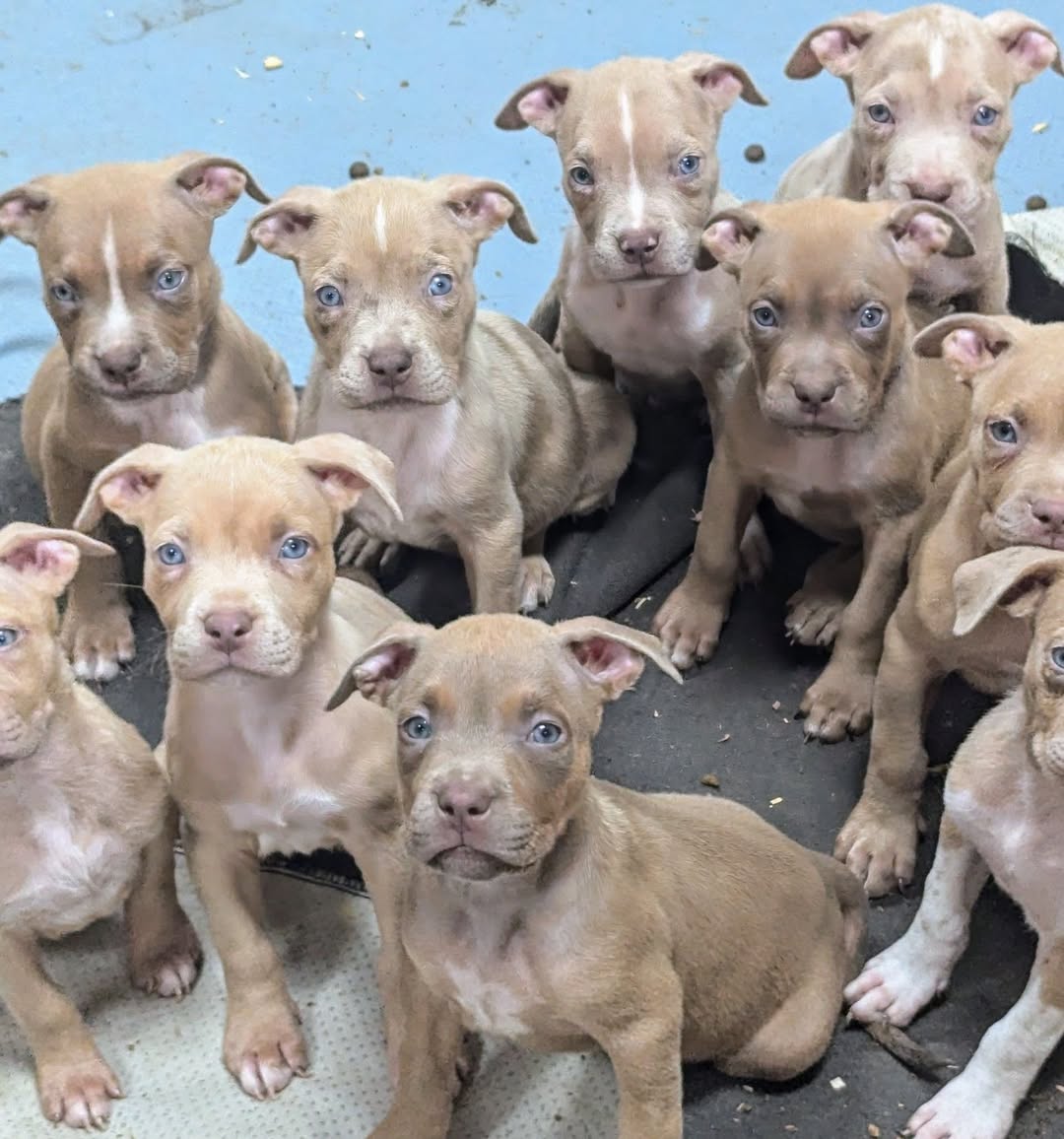
A serious dog can look impressive in a photo and still be the wrong fit for a family, a show home, or a breeding program. That is why evaluating Bully breeders should begin well before color, head size, or a price conversation. The right program can explain where its dogs come from, why a pairing was planned, what documentation is available, and what kind of home will allow each puppy to mature well.
For people interested in Brazilian Bulls, that level of clarity matters even more. The breed is gaining attention in the United States, and buyers may encounter wide differences in experience, bloodline knowledge, and breeding goals. A responsible breeder should be able to separate proven information from marketing and help buyers understand what they are considering.
What Responsible Bully Breeders Put First
Strong breeding programs are built on decisions made years before a litter arrives. Structure, temperament, pedigree, health information, and the role of each dog in a program all deserve attention. A breeder who only discusses a puppy’s color or a parent’s size is leaving out the details that shape long-term ownership.
Structure is not just about a wide chest or heavy bone. It affects how a dog moves, carries its body, and develops over time. Breeders should evaluate balance, proportions, topline, rear assembly, feet, and overall soundness alongside the powerful, muscular look many bully-dog enthusiasts value. Puppies change quickly, so an honest breeder will not promise that every young pup will mature into an exact adult image.
Temperament deserves the same direct discussion. A well-raised bully breed dog should be stable, manageable, and appropriately socialized for its age. Genetics matter, but so do early handling, exposure, routine, training, and the expectations of the home. Families should be prepared to provide boundaries and continued socialization, not assume a good pedigree replaces responsible ownership.
Health information should be addressed clearly. The specific records and screening choices available can vary by program and breed, but buyers should ask what information exists for the parents, what veterinary care puppies receive, and what records transfer with the dog. Straight answers are more valuable than broad assurances.
Brazilian Bulls Require Breed-Specific Knowledge
Brazilian Bulls and XL American Bullies are separate breeds and separate programs. They should not be marketed as interchangeable, even when both appeal to people who appreciate substance, athletic presence, and loyal companion dogs.
The Brazilian Bull program is a forward-looking area for knowledgeable breeders in the United States. Imported Brazilian dogs, carefully selected bloodlines, and planned pairings can play an important role in establishing a consistent foundation here. For a buyer, the key question is not simply whether a dog was imported. It is how that dog fits the program and what the breeder can explain about its lineage, structure, temperament, and breeding purpose.
Because interest in Brazilian Bulls is growing, pedigree transparency is essential. Ask to see available pedigree information and registration documentation. Ask what registry is involved, what the documentation represents, and how the breeder tracks lineage. Registration is useful documentation, but it is not a complete measure of quality, health, or temperament. It should be considered alongside the actual dogs and the breeder’s standards.
A thoughtful Brazilian Bull breeder should also be realistic about development. Young dogs may show early signs of promise, but mature size, head development, muscle, and final outline take time. Nutrition, exercise, conditioning, health, and age all influence how an adult dog presents. Responsible guidance is more useful than inflated predictions.
Questions Worth Asking About a Brazilian Bull Litter
The best questions are specific. Ask why the sire and dam were paired, what traits the breeder hoped to preserve or improve, and what role the litter plays in the broader program. Ask whether the puppy is being considered as a family companion, a performance prospect, or a potential breeding prospect. Not every puppy should be placed with breeding rights, and a breeder willing to say so is protecting the breed and the buyer.
It is also reasonable to ask about the puppy’s daily environment. Find out how the litter is handled, what early exposure is provided, what food and veterinary routine the breeder follows, and at what age puppies go home. A responsible placement process should include a conversation about household routines, other dogs, children, housing, travel, and previous large-breed experience.
XL American Bullies Remain an Established Legacy
XL American Bullies remain an important part of established bully breeding programs. They have a distinct history, established bloodlines, and a large community of owners, exhibitors, and breeders. Buyers seeking an XL American Bully should expect the same level of documentation and candor: pedigree details, registration information where applicable, health records, clear photographs or opportunities to evaluate the dogs, and an explanation of the pairing.
The ideal XL American Bully home depends on the dog and the household. Many families are drawn to the breed’s substantial build, confidence, and companion-oriented nature. Still, an XL American Bully is a powerful dog that needs consistent handling, training, secure containment, and an owner who understands the responsibility that comes with size and strength.
A breeder should not blur an XL American Bully into a Brazilian Bull to make a sale. Each program should stand on its own merit. That distinction protects buyers who are researching a specific breed and helps maintain accountability around lineage and breeding decisions.
Reading Pedigrees Without Getting Lost in Names
A pedigree can be exciting, especially for enthusiasts who recognize influential dogs or established families. But a long list of names is not enough by itself. Pedigrees are most useful when paired with context from the breeder.
Ask what qualities repeat through the family. Are certain structural traits, temperaments, or overall styles consistently present? Are there dogs the breeder selected against, and why? An experienced breeder should be able to discuss both strengths and areas they are working to improve. That conversation is more meaningful than hearing that a pedigree is “stacked” without explanation.
For prospective breeders, pedigree review should go beyond popularity. Consider how the proposed dog fits your own goals, what documentation supports its background, and whether you have the resources to raise, evaluate, and responsibly place a litter. Breeding rights are not simply an upgrade. They carry a serious obligation to the dogs, future owners, and breed community.
The Placement Process Should Feel Deliberate
A good breeder wants the right match, not the fastest transaction. That does not mean every conversation has to be complicated, but it should be thorough enough to identify obvious mismatches. A high-energy household with experienced dog owners may have different needs than a first-time family looking for a calm companion. A serious breeder seeking a future prospect has different priorities than someone choosing a pet.
Buyers should also plan for the real cost of ownership beyond the initial puppy price. Quality food, routine veterinary care, training, equipment, insurance if desired, boarding, and unexpected medical expenses are part of responsible ownership. Large, muscular dogs require properly sized crates, secure fencing, durable gear, and safe transportation.
Before bringing a puppy home, confirm what is included in the placement. Documentation may include registration paperwork where applicable, pedigree information, vaccination and deworming records, feeding guidance, purchase terms, and any agreement concerning breeding rights. Read every document, ask questions before money changes hands, and keep copies for your records.
A Clear Standard for Choosing a Breeder
The right breeder does not need to rely on pressure, vague promises, or dramatic claims. Their dogs, records, breeding decisions, and communication should give buyers a clear picture of the program. At Showtime Bullies, the focus on imported Brazilian Bull bloodlines and planned development reflects the kind of intentional work required to build a meaningful program, while the XL American Bully program remains grounded in established experience and documented lineage.
Choose the breeder who welcomes informed questions, speaks plainly about both promise and responsibility, and places the dog’s future above a quick sale. That approach gives a puppy the strongest possible start and gives its owner a better foundation for the years ahead.