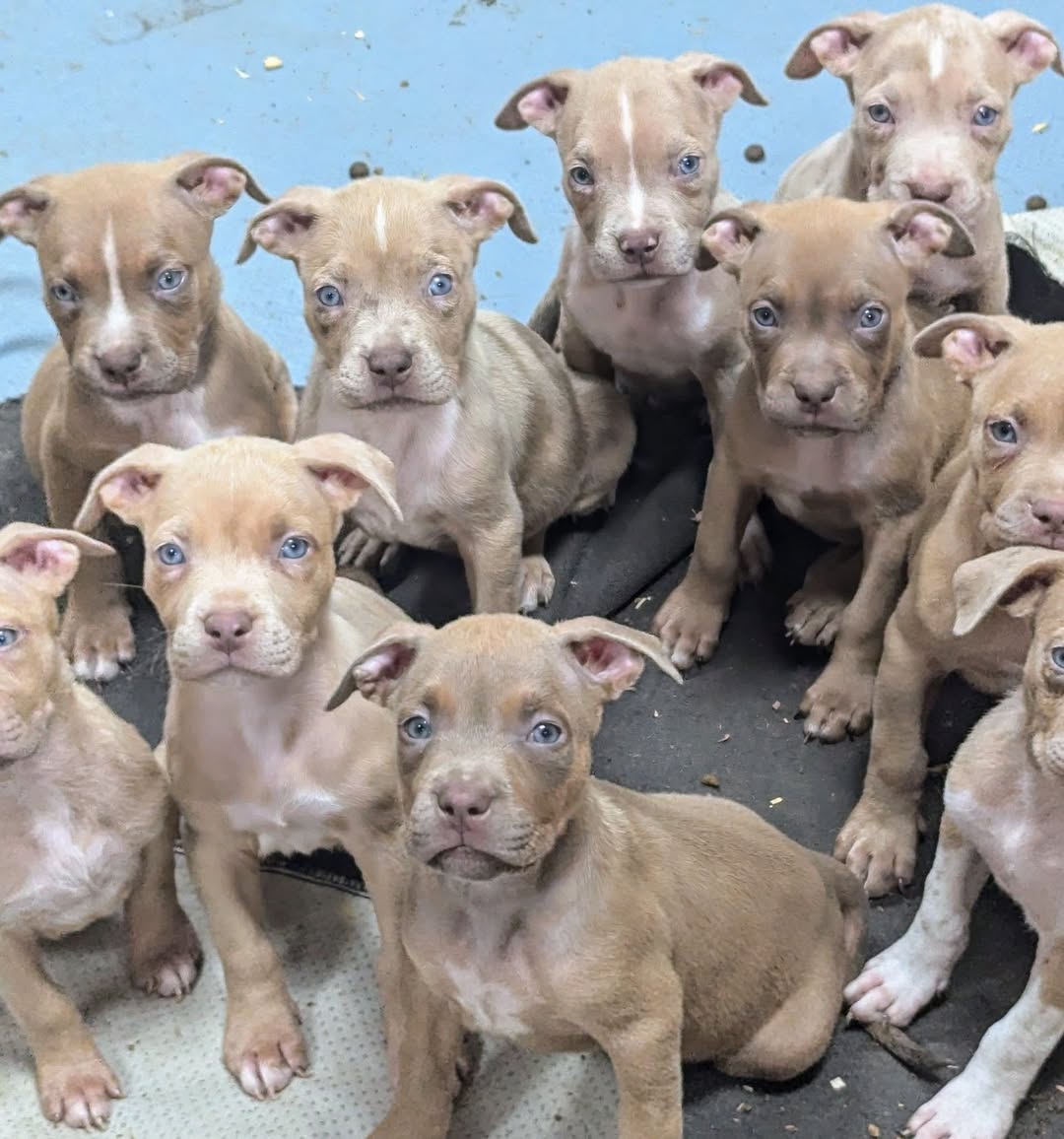
A powerful head, balanced structure, and confident temperament may be what first catches your attention, but bully health screening is what should guide the next decision. Whether you are considering a Brazilian Bull puppy, evaluating a breeding prospect, or adding an XL American Bully to your family, health documentation gives you a clearer picture than appearance alone ever can.
For a serious breeding program, screening is not a single test or a one-time appointment. It is a process of evaluating a dog’s body, inherited risks, veterinary history, and suitability for the role it will play. The goal is not to suggest that any dog is perfect. The goal is to make informed pairings, reduce avoidable risk, and place puppies with honest expectations.
What Bully Health Screening Should Include
A responsible health plan begins with a complete veterinary examination. A veterinarian can assess general condition, weight, skin, coat, eyes, ears, teeth, heart and lungs, gait, and reproductive health. This baseline matters because a strong-looking dog can still have concerns that need attention before breeding or placement.
For muscular, substantial breeds, structural evaluation should be a major part of the conversation. Hips and elbows carry significant workload throughout a dog’s life, particularly as the dog grows, exercises, gains muscle, or produces offspring. Formal hip and elbow evaluations can help breeders make better decisions about breeding stock. Depending on the veterinarian and program, this may involve radiographs reviewed through an established orthopedic evaluation process or a hip-specific assessment method.
Heart health also deserves close attention. A routine veterinary exam can identify a murmur or irregular rhythm, but some dogs may benefit from more detailed cardiac testing when a veterinarian recommends it. Eye examinations, patella evaluation, thyroid testing, and other assessments may also be appropriate based on family history, physical findings, age, and the individual dog.
DNA testing can be useful, but it should be used correctly. A genetic panel may identify certain inherited variants and help inform a pairing decision. It does not replace a physical exam, orthopedic imaging, temperament evaluation, or knowledge of the dog’s pedigree. A clear DNA result does not automatically make a dog suitable for breeding, just as a single result should not be interpreted without veterinary and pedigree context.
Screening Is More Than a Test Result
Good records tell a fuller story. A breeder should be able to discuss a dog’s health information alongside pedigree, age, physical development, prior litters when applicable, and day-to-day temperament. That context is especially valuable when reviewing imported dogs and bloodlines that may be newer to the United States.
Brazilian Bulls and XL American Bullies should not be treated as the same breed when health decisions are being made. They are separate breeds with separate breeding programs, pedigrees, and development goals. A screening plan should be built around the individual dog, its ancestry, its structure, and guidance from qualified veterinary professionals rather than applying one blanket assumption to every bully-type dog.
Health Screening for Brazilian Bulls
The Brazilian Bull program requires careful long-term selection. As imported Brazilian dogs and planned domestic pairings establish a stronger presence in the United States, detailed records become even more valuable. Breeders need to understand not only what is visible in the current generation, but also what is known about close relatives and the lines behind them.
A well-built Brazilian Bull should be evaluated for functional movement, overall condition, and the ability to mature soundly. Extreme features should never outweigh comfort, mobility, breathing, or stable behavior. Size, color, and a commanding look may attract attention, but they are not health clearances.
Because newer or less widely documented bloodlines can have fewer generations of readily available US records, transparency carries extra weight. Buyers and breeding partners should ask what screening has been completed, what documentation is available, whether the dog was imported or bred in the United States, and how the breeder evaluates structure and temperament before making a pairing.
This is where pedigree knowledge matters. A pedigree is not simply a list of names. It helps a breeder study recurring traits, compare related dogs, identify consistency in type, and ask better questions about health and temperament across a family of dogs. It also helps prevent a breeding decision from being based solely on one impressive individual.
At Showtime Bullies, the Brazilian Bull program is being developed with that kind of deliberate approach: imported foundation dogs, selected bloodlines, planned pairings, and attention to the records behind each dog. As the program grows, ongoing health evaluation and honest documentation remain central to producing dogs that are not only visually striking but practical to own and breed.
XL American Bully Screening Requires Its Own Standard
Showtime Bullies’ XL American Bully program is an established part of the kennel’s history, with its own proven studs, breeding females, and documented lines. The same principles apply: evaluate the whole dog, not just the pedigree or the photo.
For XL American Bullies, buyers should expect discussions around structure, movement, temperament, veterinary care, and the health information available for the parents. Mature size and heavy bone can place added value on sound hips, elbows, conditioning, and appropriate exercise. A dog that carries muscle well still needs to move freely and comfortably.
Temperament is also part of responsible selection. A stable, social, family-oriented dog is not defined by being overly reactive or difficult to manage. Breeding dogs should be evaluated for confidence, responsiveness, and the ability to live safely within the environment expected of them. Training, early socialization, and responsible ownership shape behavior throughout a puppy’s life, but inherited temperament remains an important breeding consideration.
What Health Screening Means for Puppy Buyers
Puppy buyers should understand the difference between parental screening and puppy care. Health-tested parents can help reduce certain known risks, but no breeder can promise that a living animal will never develop a health issue. Genetics are complex, and environment, nutrition, activity level, injury, growth rate, and routine care all influence long-term outcomes.
The puppy itself should receive age-appropriate veterinary care before going home. That commonly includes wellness checks, deworming protocols, and vaccinations appropriate for the puppy’s age and veterinary schedule. Buyers should receive clear information about what has been completed, what follow-up care is due, feeding guidance, and the records available for the puppy and its parents.
The first year is especially important for a growing Brazilian Bull or XL American Bully. Overfeeding, excessive jumping, repetitive high-impact exercise, and poor conditioning can place unnecessary stress on developing joints. Families should prioritize measured growth, quality nutrition, regular veterinary care, controlled exercise, and training that builds confidence without overstimulating the puppy.
Questions Worth Asking Before You Commit
Before placing a deposit or selecting a breeding partner, ask direct questions. What health screening has been completed on the sire and dam? Are the results and veterinary records available to review? How old are the parents, and how have they matured? What is known about their structure, temperament, and close relatives? What care has the puppy received, and when is the next veterinary visit due?
The quality of the answer matters as much as the answer itself. Clear documentation and straightforward communication are stronger signs than vague assurances. If a breeder avoids basic questions about health, pedigree, or the puppy’s care, that should slow down the decision.
Better Decisions Start Before the Pairing
The best time to think about a puppy’s health is before the breeding takes place. Screening breeding dogs, tracking outcomes, reviewing pedigrees, and being selective about pairings all support a more responsible program. It may mean passing on a visually impressive dog, delaying a planned litter, or choosing a different match when the information calls for it. That is not a weakness in a program. It is disciplined breeding.
For families, the right puppy is not simply the biggest one in the litter or the rarest color. It is a puppy from a thoughtfully planned pairing, raised with appropriate care, and matched to a home that understands the breed’s needs. For breeders, the right decision protects the future of the bloodline as much as it supports the next litter.
Ask for the records, study the dog in front of you, and give health information the same attention you give structure, pedigree, and temperament. That approach creates a stronger foundation for every Brazilian Bull and XL American Bully placed into the right home.