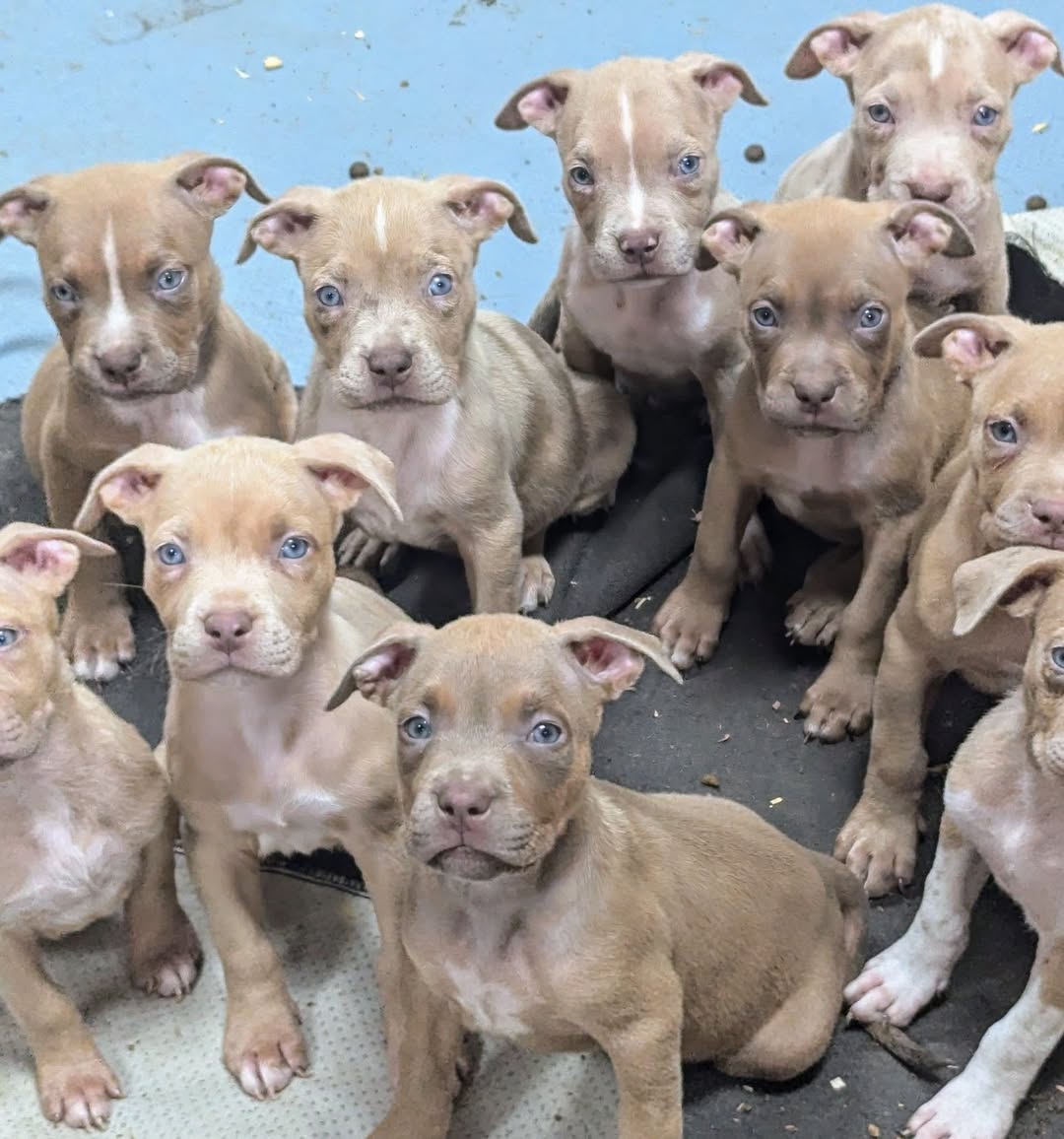
A powerful head, wide chest, clean movement, and a calm family temperament may be what first draw you to an American Bully. Registration is what puts the dog’s identity, pedigree, and ownership trail on paper. This American Bully registration guide explains what those papers mean, which registry may apply, and what you should have in hand before bringing home a puppy or adding a new prospect to your breeding program.
For serious owners, registration is not a decorative certificate. It is documentation that supports the bloodline behind the dog, helps preserve breeding records, and gives future buyers more confidence when a puppy is represented as coming from established American Bully genetics.
What American Bully registration actually proves
Registration records a dog with a particular registry based on that organization’s rules and the documentation submitted. In most cases, an individual registration certificate identifies the dog’s registered name, date of birth, sex, color, breeder, sire, dam, and registration number. A pedigree then shows the dog’s lineage across multiple generations.
Those documents matter because American Bully breeding is built on more than looks. Structure, temperament, size, health history, and consistency across generations all deserve attention. A properly documented pedigree lets an owner evaluate the foundation behind a dog rather than relying only on a photo, a color label, or a verbal promise.
Registration does have limits. It does not guarantee that a dog is healthy, show quality, oversized, free from genetic concerns, or suited for breeding. It also does not replace veterinary care, vaccination records, health testing, sound socialization, or responsible ownership. Think of registration as one essential part of a complete record, not the whole standard of quality.
The registries most American Bully owners see
The American Bully Kennel Club, commonly known as ABKC, is one of the most recognized registries dedicated to the American Bully community. ABKC paperwork is widely requested by buyers and breeders because its standards and events are closely connected to the breed’s development. For many American Bully owners, an ABKC pedigree is the primary record they expect to receive.
The United Kennel Club, or UKC, also recognizes and registers American Bullies. UKC registration may be especially relevant for owners interested in its events, performance opportunities, or an established UKC family of dogs. A dog may be eligible for registration with more than one organization, but that depends on its existing papers, lineage, and the current rules of each registry.
Do not assume all registries carry the same weight in every situation. A family seeking a well-raised companion may care most about clear records and a trustworthy breeder. A breeder planning future litters may need to confirm that a registry will accept a specific pedigree before making a purchase. If showing is part of your plan, review the organization’s current class and event requirements before you commit.
XL, XXL, and registry classifications
XL is an established American Bully variety within major breed discussions and standards. XXL, however, is commonly used as a marketplace description for exceptionally large, heavy-boned dogs rather than a separate official class under every registry. That does not make an XXL Bully less impressive. It simply means buyers should separate marketing language from the exact classification printed on registration papers.
The same principle applies to striking colors such as lilac tri, merle, blue, and champagne. Color can make a dog stand out, but pedigree quality, structure, temperament, and health practices should carry equal or greater weight when evaluating a puppy or breeding prospect.
American Bully registration guide: the paperwork to request
Before placing a deposit, ask the breeder exactly what registration documentation comes with the puppy and when it will be provided. The answer should be clear. Some puppies leave with completed individual papers or a transfer form. Others may come with a puppy application that the new owner submits after choosing a registered name. In certain cases, final documents follow after the breeder completes a litter registration process.
You should also ask whether the puppy is sold with full or limited breeding rights. Full rights generally allow the owner to register future litters if all registry requirements are met. Limited registration or a companion-only agreement may restrict breeding privileges. Neither arrangement is automatically better. The right choice depends on whether you want a devoted family dog or have the experience, facilities, financial resources, and long-term plan required to breed responsibly.
A professional file for your puppy should include the registration paperwork, a pedigree when offered, a purchase agreement, vaccination and deworming records, microchip information if applicable, and the breeder’s contact details. Keep both physical and digital copies. A misplaced transfer form can create delays and unnecessary headaches years later.
How the ownership transfer usually works
The process is generally straightforward, but details vary by registry. The breeder completes their section of the transfer document, and the buyer completes the new owner information and selected registered name. The form is then submitted with the required fee, either through the registry’s approved process or by mail where available.
Use your legal name and a reliable mailing address. Check every digit of the registration number, the puppy’s date of birth, and the spelling of the sire and dam before submitting. Small errors can lead to corrections later, which is frustrating when you are preparing for an event, arranging a stud contract, or advertising a future litter.
When naming your dog, remember that the name on a registration certificate may become part of the dog’s legacy. A strong kennel-style name can be memorable, but registries may limit character counts, duplicate names, or certain terms. Choose something you will still be proud to see on a pedigree years from now.
If you buy a puppy that is already individually registered, make the transfer promptly. Until the registry recognizes you as the owner of record, it may be harder to handle future paperwork, prove ownership, or register offspring.
When a registration application is not enough
A registration application is valuable, but it is not the same as a finished certificate. Ask whether the litter itself is registered and whether both parents are registered with an accepted organization. If the breeder says papers are “pending,” ask what step is pending, who is responsible for it, and when you should expect completion.
Be cautious when paperwork cannot be matched to the puppy. Names, dates, sex, color, and parentage should make sense across the documents. A pedigree that looks impressive but does not connect cleanly to the puppy’s application is not a record you should accept without questions.
For breeding decisions, go further than the certificate. Review the parents’ structure and temperament, discuss health screening, and consider whether the bloodline complements your goals. Champion names and famous bloodlines such as Gotty, Razor’s Edge, or Greyline can add context, but they are not a substitute for evaluating the actual dogs being bred.
Common registration mistakes to avoid
The most common mistake is waiting too long to transfer ownership. Handle it shortly after pickup while the paperwork and seller communication are fresh. The second is assuming registration automatically grants breeding value. A registered dog still needs exceptional structure, stable temperament, appropriate health evaluation, and a breeding plan that improves the breed.
Another mistake is buying solely on paper. Pedigrees are powerful tools, but the dog in front of you matters. Look for a confident, well-socialized puppy with clean living conditions, attentive care, and a breeder who can speak directly about the litter’s development.
Finally, avoid treating paperwork as an afterthought when buying a premium XL American Bully. At Showtime Bullies, the standard behind a standout puppy includes documented bloodlines, early family-focused socialization, health protocols, and clear registration expectations. That combination gives owners more than a muscular, head-turning companion – it gives them a better foundation for the years ahead.
Registration gives your American Bully’s story a traceable beginning. Keep that story organized, ask direct questions before you buy, and let the quality of the dog and the integrity of the breeding program carry as much weight as the name printed on the certificate.