A powerful head, substantial bone, clean movement, and confident presence can make a Brazilian Bull puppy stand out immediately. But appearance alone does not tell you whether the program behind that puppy is careful, honest, or built for the long term. Knowing the Brazilian Bull breeder red flags before sending a deposit protects your investment, your family, and the future of a developing breed in the United States.
Brazilian Bulls and XL American Bullies are separate breeds with different histories, breeding goals, and programs. A responsible breeder should understand that distinction clearly and be able to explain exactly what they are producing. When a breeder blurs the lines, avoids documentation, or sells only on hype, slow down and ask better questions.
Brazilian Bull Breeder Red Flags That Deserve Attention
Not every concern means a breeder is dishonest. A new program may have fewer litters, imported dogs may require additional time to document in the United States, and a young breeding prospect may not yet have a long production record. The issue is not whether every answer is perfect. The issue is whether the breeder communicates directly, provides what is available, and makes responsible decisions when information is still developing.
They Cannot Clearly Identify the Breed
One of the clearest red flags is a breeder marketing Brazilian Bulls as if they are simply XL American Bullies with a different name. They are not interchangeable. An XL American Bully breeder may have years of experience with bully breeds, but that does not automatically mean every large, muscular dog is a Brazilian Bull.
Ask how the breeder identifies the dog, where the bloodline originates, and what registration or pedigree documentation supports the claim. If the explanation changes from conversation to conversation, or if the answer is only about size, color, or rarity, that is not enough. Breed identity should be tied to documented lineage and a consistent breeding plan, not a sales label.
A serious Brazilian Bull program should be able to discuss the imported foundation behind its dogs, the direction of planned pairings, and the traits being selected. Structure, temperament, pedigree, and health all belong in that conversation.
Pedigrees Are Promised but Never Shown
A pedigree is more than a page of names. It gives buyers and breeders a starting point for understanding lineage, related dogs, and the purpose behind a pairing. It does not guarantee quality by itself, but a breeder who refuses to discuss pedigree at all is asking you to buy without meaningful context.
Be cautious when you hear that paperwork will be handled later but no timeline is offered. The same applies when a breeder claims imported lineage yet cannot provide any supporting information, registration details, or documentation appropriate to the dog and program. Some records may take time to transfer or process, especially with imported dogs, but transparent breeders explain what they have, what is pending, and what the buyer can expect to receive.
If you are purchasing a breeding prospect, this matters even more. You need clarity on the dog’s pedigree, registration status, breeding rights, and any restrictions before the purchase is complete.
Health Talk Is Vague or Avoided
No breeder can promise that a living animal will never develop a health issue. That is not responsible language. What a breeder can do is make thoughtful selections, keep accurate records, disclose relevant information, and discuss the health practices used in the program.
A red flag appears when a breeder answers every health question with broad statements such as healthy bloodline or never had a problem, but cannot explain what information is tracked. Ask what health documentation is available for the parents, whether the breeder evaluates structure and movement, and how they approach breeding decisions when a concern arises.
Health responsibility also includes basic puppy care. Buyers should receive clear information about age at pickup, vaccination and deworming records as applicable, feeding guidance, and the puppy’s current routine. A breeder who cannot explain how puppies are raised, socialized, or monitored during early development is not giving you enough to make an informed decision.
The Breeder Rushes You Into a Deposit
Good puppies can be in demand. A planned Brazilian Bull litter with strong imported lineage, proper structure, and desirable temperament may receive attention quickly. Still, urgency should never replace clarity.
Be careful with pressure tactics such as claiming multiple buyers are waiting while refusing to provide current photos, basic contract terms, parent information, or answers to reasonable questions. A deposit should reserve a puppy or position only after both sides understand the arrangement. Buyers should know the price, what the deposit covers, whether it is refundable under specific circumstances, pickup expectations, and what documentation accompanies the puppy.
A breeder does not need to hold every puppy indefinitely, but professionalism leaves room for a serious buyer to review details. Fast payment without a clear process creates problems for everyone.
Look Beyond Color, Size, and Social Media
Color and visual presence can be part of the appeal. So can a wide chest, athletic outline, strong rear, and impressive headpiece. Those features matter to many enthusiasts, but they should not be the entire program.
A breeder focused only on extreme size, unusual color, or viral photos may overlook the traits that determine how a dog lives with people: stable temperament, functional movement, sound structure, and a thoughtful match between dog and home. Watch for marketing that promises a dog will be huge, rare, intimidating, or perfect while saying almost nothing about development, handling, and ownership.
Puppies change quickly. Adult size, mature structure, color development, and drive cannot be forecast with absolute certainty. Experienced breeders can share the strengths of a pairing and explain what they expect based on the parents and lineage. They should not present estimates as guarantees.
Social media can also be useful, but it is not verification. Clean photos and high engagement do not replace pedigree records, health discussions, transparent communication, or an organized puppy process. Ask for current, unedited information when possible, and pay attention to whether the breeder’s answers match what is being advertised.
Warning Signs in the Puppies Themselves
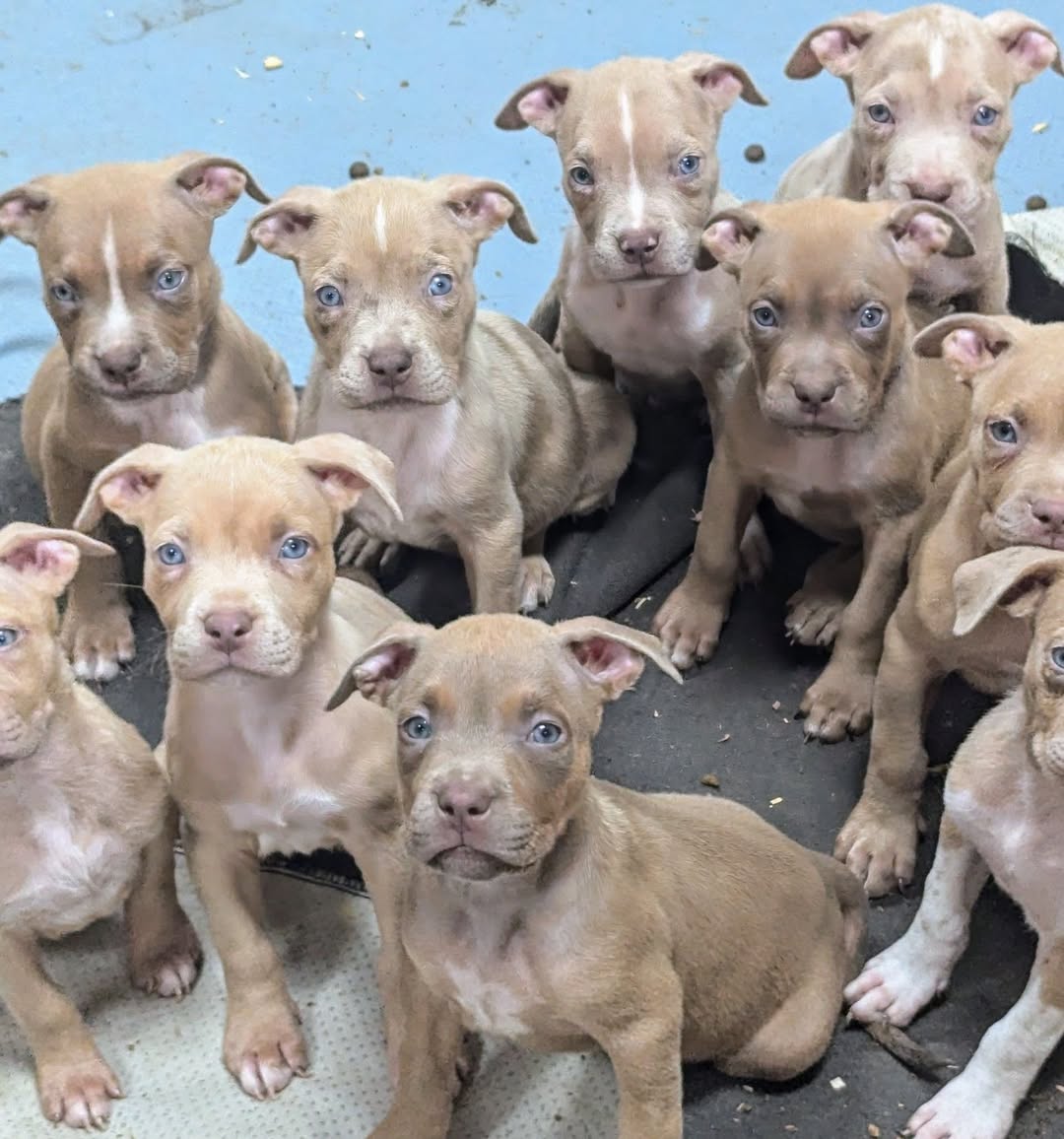
You do not need to be a professional handler to observe a puppy carefully. A well-run program should welcome reasonable questions about behavior, daily care, and development. Puppies may be sleepy after play, cautious in a new setting, or temporarily distracted. One moment does not define temperament.
What matters is the overall picture. Are the puppies kept in a clean, appropriate environment? Do they appear comfortable being handled? Is the breeder able to describe their feeding routine, social exposure, and individual personalities? Are they willing to discuss a puppy’s strengths and limitations rather than claiming every puppy is identical?
The most responsible placement is not always the flashiest puppy. A family with young children may need a different energy level than an experienced handler looking for a future breeding prospect. A breeder who asks about your home, schedule, dog experience, and goals is doing their job.
Questions a Serious Breeder Should Be Ready to Answer
You do not need an interrogation. You do need direct answers. Before moving forward, ask about the parents’ pedigree and registration, the breed identity of the litter, available health information, the puppy’s current age and care records, contract terms, and whether the puppy is being sold as a companion or with breeding rights.
For Brazilian Bulls, also ask about the imported bloodlines involved and the purpose of the pairing. A breeder may protect certain private business details, but they should still be able to explain their breeding direction in practical terms. The answer should go beyond bigger dogs or rare dogs. It should address type, structure, temperament, and the long-term goal of the program.
At Showtime Bullies, the Brazilian Bull program is being developed with carefully selected imported Brazilian dogs, planned pairings, and attention to pedigree, physical structure, temperament, health, and responsible placement. That future-facing work stands alongside an established XL American Bully program, not in place of it. Buyers deserve that level of breed-specific clarity from any kennel they consider.
Choose the Breeder Who Welcomes Accountability
The right breeder will not pretend every litter is perfect or every question has a one-word answer. They will show pride in their dogs while remaining transparent about documentation, development, and placement. They will understand that a Brazilian Bull can be an impressive family companion, enthusiast’s dog, or breeding prospect, but only when the individual dog and home are a responsible match.
Take your time, review the information, and trust the breeder who is prepared to earn confidence with records, knowledge, and straightforward communication. A quality puppy begins with quality decisions long before pickup day.