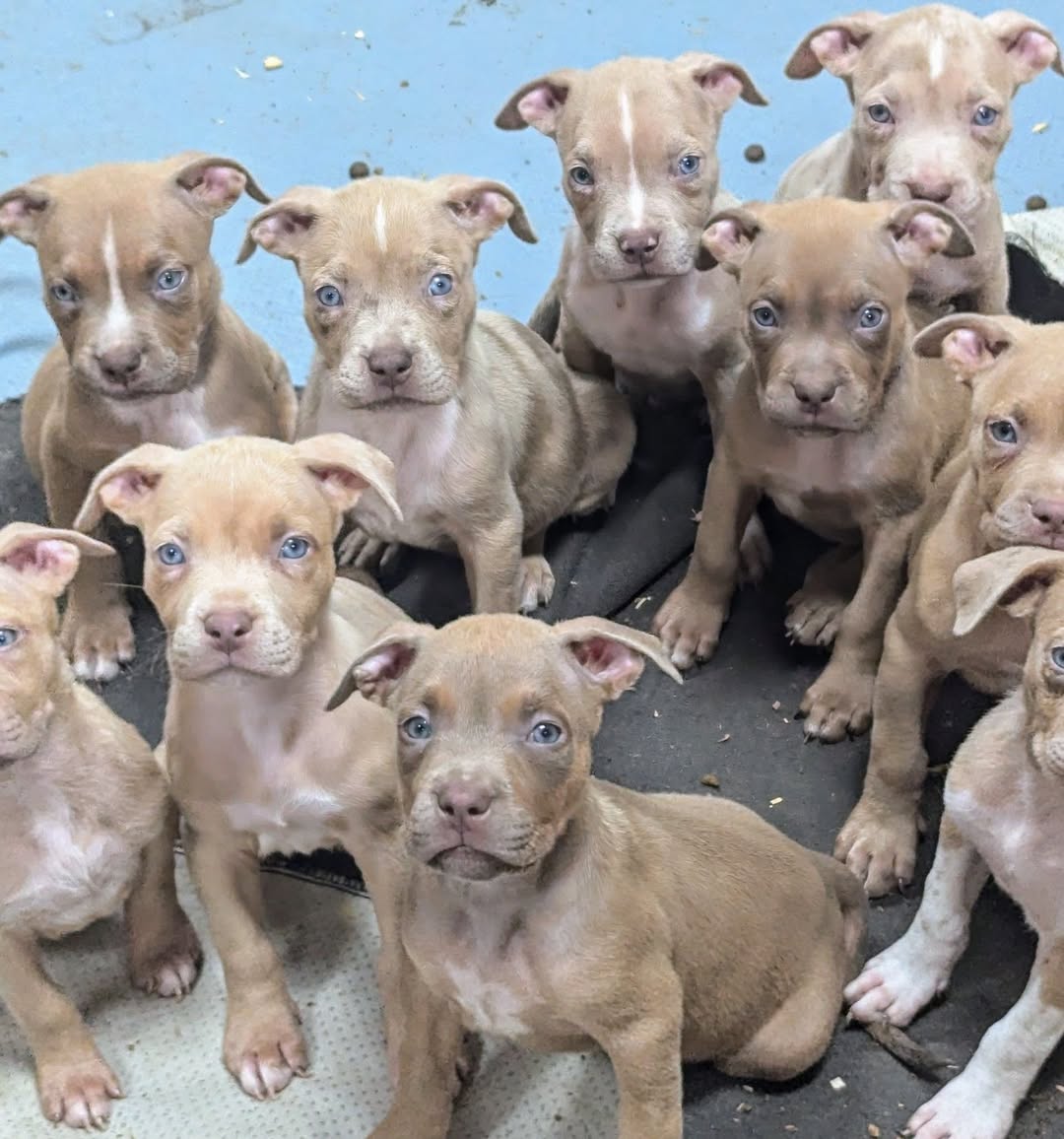
A well-bred XL American Bully can look powerful before it ever takes a step: broad chest, substantial bone, defined muscle, and a confident presence. But responsible XL American Bully placement is not based on appearance alone. The right placement matches the individual puppy or adult dog with a home that understands the breed’s physical needs, social development, training requirements, and long-term responsibility.
At Showtime Bullies, the XL American Bully program reflects years of work with established bloodlines, breeding females, proven studs, and family-raised puppies. While Brazilian Bulls are the kennel’s future-facing flagship program and are distinct from XL American Bullies in breed background and development, the XL American Bully remains an important part of the kennel’s established legacy.
What Responsible XL American Bully Placement Means
Placement begins before a puppy meets a prospective owner. It starts with breeding decisions. Structure, temperament, pedigree, health information, and the role each dog plays in a program all affect the type of puppy produced. A responsible breeder should be able to discuss those factors directly instead of relying only on photos, color, or exaggerated promises about adult size.
For families, placement means finding a dog whose energy level, confidence, and temperament suit the household. For enthusiasts, it may mean selecting a puppy with the structure and pedigree that aligns with their goals. For experienced breeders, it can involve a deeper conversation about lineage, registration, breeding rights, and whether a dog is a true fit for a future program.
The strongest placement is not always the biggest puppy in the litter or the flashiest color. It is the dog whose overall qualities fit the owner’s plans and whose owner is prepared to provide consistent care.
Structure Matters, but So Does Daily Life
XL American Bullies are known for their substantial frame, muscular build, and striking presence. Those characteristics are part of the appeal, but they also shape daily ownership. A large, athletic, heavy-bodied dog needs room to move safely, a quality diet appropriate for growth and condition, and an owner who understands that size does not replace training.
Puppies should be allowed to develop at a sensible pace. Overfeeding, excessive jumping, hard repetitive exercise, and poorly managed play can place unnecessary stress on a growing dog. During the first year, controlled activity and good routines are more useful than trying to build an exaggerated look too early.
Structure should be evaluated as a whole. A strong head, wide chest, muscle, and color may stand out immediately, but sound movement, balanced proportions, stable feet, and correct overall development matter just as much. A well-placed XL American Bully should be able to live comfortably as a companion while carrying the impressive physical traits the breed is known for.
Temperament Is Part of the Standard for a Good Home
A stable XL American Bully should be confident, engaged with its people, and manageable in everyday settings. Individual personalities vary. One puppy may be highly outgoing and eager to meet everyone, while another may be more observant and reserved at first. Neither trait automatically makes a puppy better. The question is whether that temperament fits the home.
Families with children need to account for strength and enthusiasm. Even a gentle young dog can accidentally knock over a small child during play. Clear household rules, supervised interactions, and early training make a major difference. Owners should teach calm greetings, leash manners, place commands, and respectful behavior around food, toys, doors, and visitors.
A puppy should never be expected to raise itself into a dependable adult. Early socialization is not simply introducing the dog to as many strangers as possible. It means giving the puppy calm, positive exposure to normal life: car rides, household sounds, safe public environments, grooming, handling, veterinary visits, and different types of people. The goal is confidence and composure, not overstimulation.
Questions to Ask Before an XL American Bully Placement
The right breeder conversation should be specific. Buyers deserve clear information about the dog they are considering, while breeders need an honest picture of the potential home. That two-way discussion protects the puppy and helps prevent avoidable mismatches.
Ask about pedigree and registration, available health information, the parents’ temperament, current age, expected pickup timing, and what documentation comes with the dog. If you are considering breeding in the future, ask whether the placement is intended for a companion home or whether breeding rights are available. Do not assume that every well-bred puppy should enter a breeding program. A serious program makes those decisions carefully.
It is also reasonable to ask what support is available after placement. A responsible breeder should be prepared to discuss feeding transitions, routine care, training expectations, and the puppy’s adjustment period. Buyers should be equally ready to share whether they rent or own, whether their area has breed or size restrictions, how much time the dog will spend alone, and who will handle daily exercise and training.
Before committing, consider these practical realities:
- Can you meet the financial needs of a large dog, including quality food, routine veterinary care, training, and unexpected expenses?
- Does your housing situation allow an XL American Bully now and in the future?
- Are all adult household members aligned on rules, responsibility, and handling?
- Do you have the time to train consistently through adolescence, when many young dogs test boundaries?
These are not reasons to discourage the right owner. They are the questions that help create a stable placement from the start.
Companion Home or Breeding Prospect?
Not every buyer wants the same thing, and placement should reflect that. A companion home may prioritize temperament, family compatibility, color preference, and a dog that will become a close part of daily life. An enthusiast may be more focused on structure, pedigree, and a particular look. A breeder may be evaluating deeper details, including bloodline direction, breeding potential, documentation, and how a prospective dog complements existing females or studs.
Those goals can overlap, but they are not identical. A dog with breeding potential still needs to be a well-managed companion. A family dog can have an exceptional pedigree without needing to be bred. Clear expectations protect everyone involved and prevent confusion over registration, ownership, future breeding decisions, and placement terms.
Showtime Bullies provides transparent information about each available dog when applicable, including pedigree, lineage, registration, health information, and breeding role. Availability changes with planned litters and individual development, so prospective owners should focus on the right fit rather than rushing to reserve based on a single photo or trend.
Preparing for Pickup and the First Few Weeks
Bringing home an XL American Bully puppy is exciting, but the first days establish patterns that can last for years. Prepare the home before pickup with a properly sized crate, secure collar or harness, leash, food and water bowls, age-appropriate toys, and a quiet sleeping area. A fenced yard can be useful, but it does not replace walks, structured interaction, training, or supervision.
Keep the first week calm. New puppies need time to adjust to unfamiliar sounds, scents, people, and routines. Set a predictable schedule for meals, potty breaks, rest, and short training sessions. Avoid turning the first few days into a nonstop introduction tour. A puppy that is allowed to settle usually learns faster than one overwhelmed by activity.
Veterinary care should be scheduled promptly, and owners should follow professional guidance on vaccinations, parasite prevention, nutrition, and age-appropriate exercise. This is also the right time to locate a trainer who has experience working with large, powerful breeds using clear, fair methods. Waiting until a dog is physically mature and difficult to manage is a costly mistake.
Placement Is a Long-Term Commitment
An XL American Bully’s size and visual impact may draw attention, but the relationship is built in ordinary moments: the early morning walk, the calm crate routine, the repeated obedience practice, and the way a dog learns to settle beside its family. Responsible placement recognizes that a puppy is not a short-term purchase or a social media accessory. It is a commitment to guidance, care, and consistency over the dog’s lifetime.
If you are considering an XL American Bully, take the time to choose a program that communicates clearly and a dog that fits your real lifestyle. The right match gives a powerful, loyal companion the stable foundation it deserves.