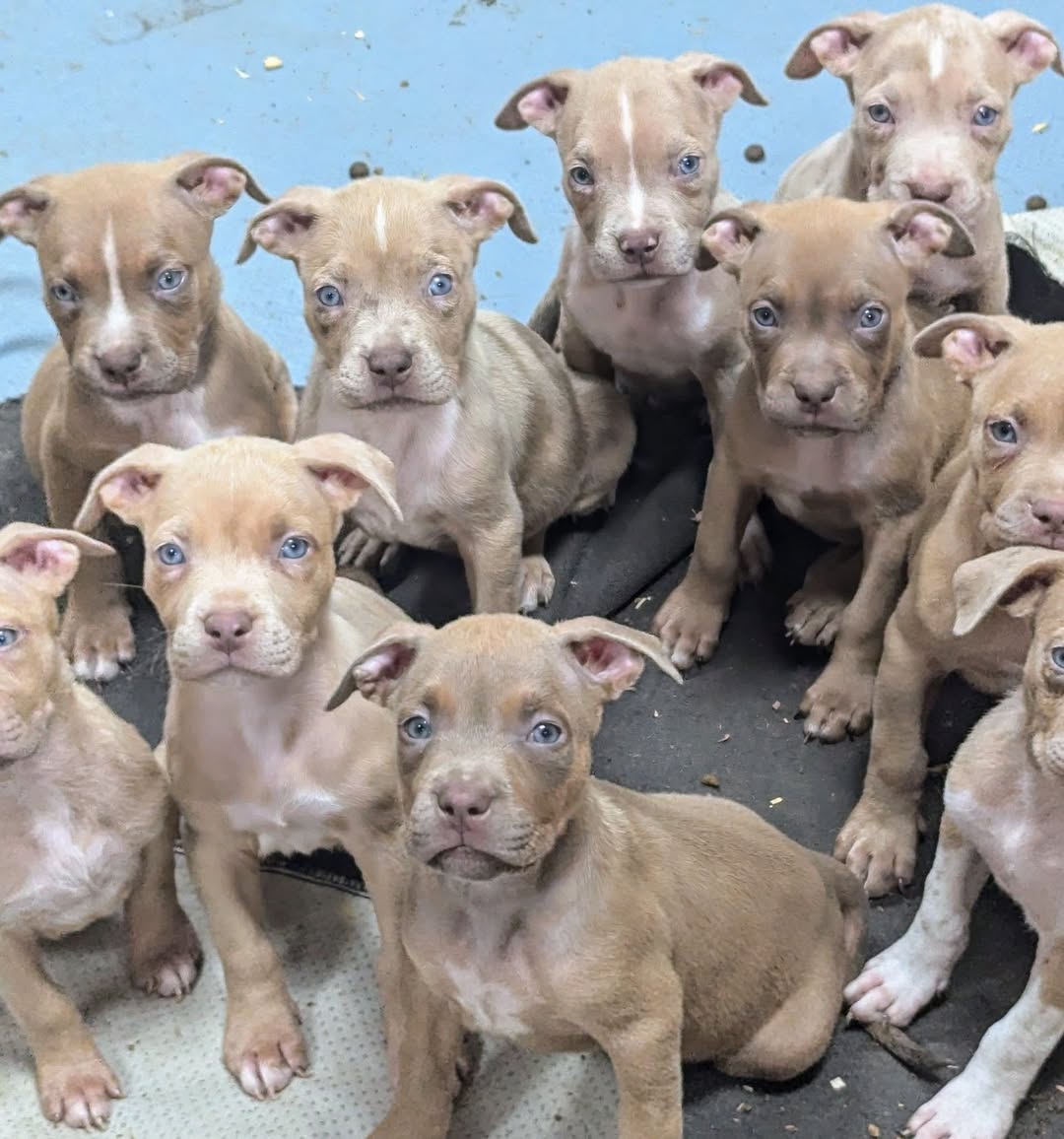
A powerful XL American Bully puppy may look built for anything, but their immune system is still developing during those first critical months. That is why a smart American Bully vaccination guide is not about giving shots on a random schedule. It is about protecting the puppy you brought home from preventable diseases while giving their body time to build dependable immunity.
For families, that protection supports the confident, affectionate companion they expect. For breeders, it helps safeguard a carefully planned litter, valuable bloodlines, and the reputation behind every puppy placed. Vaccines are one part of the health foundation, alongside proper nutrition, parasite prevention, clean living spaces, early socialization, and regular veterinary care.
American Bully Vaccination Guide: The Core Schedule
American Bullies follow the same core vaccination principles as other dogs. Their size, impressive structure, color, or pedigree does not change which vaccines are considered essential. What can change is the timing recommended by your veterinarian, especially if a puppy has health concerns, was exposed to illness, or came from an environment with elevated disease risk.
Puppies receive a series of vaccines because maternal antibodies passed through the mother can temporarily interfere with early vaccinations. Those antibodies are valuable, but they fade at different rates in different puppies. Repeated doses close the gap and give the puppy a reliable chance to develop protection.
A typical core schedule often begins around 6 to 8 weeks of age, followed by boosters every 2 to 4 weeks until at least 16 weeks of age. Many veterinarians prefer a final puppy combination vaccine at 16 weeks or later, particularly because parvovirus exposure can be devastating in young dogs.
The core puppy vaccine is commonly called DHPP or DAPP. It protects against distemper, adenovirus, parvovirus, and parainfluenza. Your veterinarian may use a slightly different product name, but the goal is the same: build protection against serious and highly contagious canine diseases.
Rabies is also a core vaccine, although the timing is set by state and local law as well as veterinary guidance. In Florida and throughout the United States, rabies vaccination is not simply a health decision. It is a legal requirement with public-health consequences. Most puppies receive their first rabies vaccine around 12 to 16 weeks of age, then receive future boosters according to the vaccine label and local regulations.
A practical puppy timeline
While your veterinarian should confirm the actual plan, many owners will see a schedule similar to this:
- 6 to 8 weeks: First DHPP/DAPP vaccine, often started before a puppy goes to a new home.
- 9 to 12 weeks: DHPP/DAPP booster. Your vet may discuss non-core vaccines based on lifestyle.
- 12 to 16 weeks: Additional DHPP/DAPP booster and rabies vaccine when age-appropriate.
- 16 weeks or later: Final puppy DHPP/DAPP dose if needed to complete the series.
- Around 1 year: Core vaccine boosters, then future boosters based on veterinary recommendations and vaccine type.
Keep every vaccine record in a secure place. A clean, documented history matters when enrolling in training, boarding, grooming, traveling, renting a home, or making responsible breeding decisions later on.
Non-Core Vaccines Depend on Your Bully’s Life
Not every vaccine belongs in every American Bully’s plan. Non-core vaccines are selected based on where your dog lives, where they go, and what they may encounter. This is where an honest conversation with your veterinarian matters more than copying another owner’s schedule.
Leptospirosis is often recommended for dogs that may encounter standing water, wildlife, rodents, wooded areas, or public outdoor spaces. Even suburban and urban dogs can be exposed through contaminated water or wildlife urine. Because leptospirosis can also affect people, many veterinarians consider it worth discussing for active family dogs.
Bordetella, often called the kennel cough vaccine, may be requested by boarding facilities, groomers, doggy daycares, trainers, and dog-show venues. It can be especially useful for a social American Bully who will be around unfamiliar dogs regularly. It does not guarantee a dog will never cough, but it can reduce risk from common respiratory pathogens.
Canine influenza may be recommended in areas experiencing outbreaks or for dogs that travel, attend events, or spend time in boarding environments. Lyme vaccination may make sense in regions where tick-borne disease is common. The right plan is not about adding every available vaccine. It is about matching protection to real exposure.
Do Not Let Big Puppy Energy Create Big Risks
American Bully puppies are social, bold, and often eager to explore. Owners naturally want to show off their new family member, introduce them to friends, and start building confidence early. That socialization is valuable, but it needs to be managed carefully before the vaccine series is complete.
Until your veterinarian says it is safe, avoid dog parks, pet-store floors, unknown yards, shared water bowls, and places with heavy dog traffic. Parvovirus can survive in the environment for a long time, and a healthy-looking area is not necessarily a safe one.
This does not mean your puppy needs to live in isolation. Carry your puppy through busy areas, invite vaccinated and healthy adult dogs you know into a clean home, expose them to car rides and household sounds, and arrange controlled introductions. A well-raised Bully should be both protected and properly socialized. The goal is confidence without careless exposure.
What to Expect After Vaccines
Most puppies handle routine vaccines well. Mild tiredness, soreness at the injection site, or a lower appetite for a day can happen. Give your puppy a calm evening, fresh water, and time to rest. Avoid turning vaccination day into a long training session, a rough playdate, or an exhausting outing.
Call your veterinarian promptly if you see facial swelling, hives, repeated vomiting, difficulty breathing, collapse, or extreme weakness. These reactions are uncommon, but they require urgent attention. If your dog has reacted to a vaccine in the past, tell your veterinarian before the next appointment so the plan can be adjusted.
Avoid giving human medications unless your veterinarian specifically instructs you to do so. A medication that seems harmless can be dangerous at the wrong dose, particularly for a growing puppy.
Questions Responsible Owners Should Ask
A premium American Bully deserves more than a quick appointment and a vague answer. Bring your records and ask your veterinarian which vaccines are core, which are recommended for your location, and when your puppy can safely visit public spaces. Ask about deworming, flea and tick prevention, heartworm prevention, fecal testing, nutrition, and the best time to discuss spay or neuter decisions.
For future breeding prospects, documented care is even more valuable. Vaccination history should be accurate, current, and easy to verify. Responsible breeding is built on more than massive heads, correct structure, rare color, or a champion-heavy pedigree. It also requires a long-term commitment to health management and clear records.
At Showtime Bullies, health protocols and early care are part of raising puppies with the stable start families and serious Bully enthusiasts expect. Once your puppy is home, the relationship with your veterinarian becomes the next major piece of that foundation.
Your American Bully will grow fast, gain muscle, and develop the larger-than-life presence this breed is known for. Keep their vaccination plan equally strong: personalized, documented, and guided by a veterinarian who understands your dog’s real lifestyle. That careful start gives your puppy more freedom to become the loyal, confident companion they were bred to be.