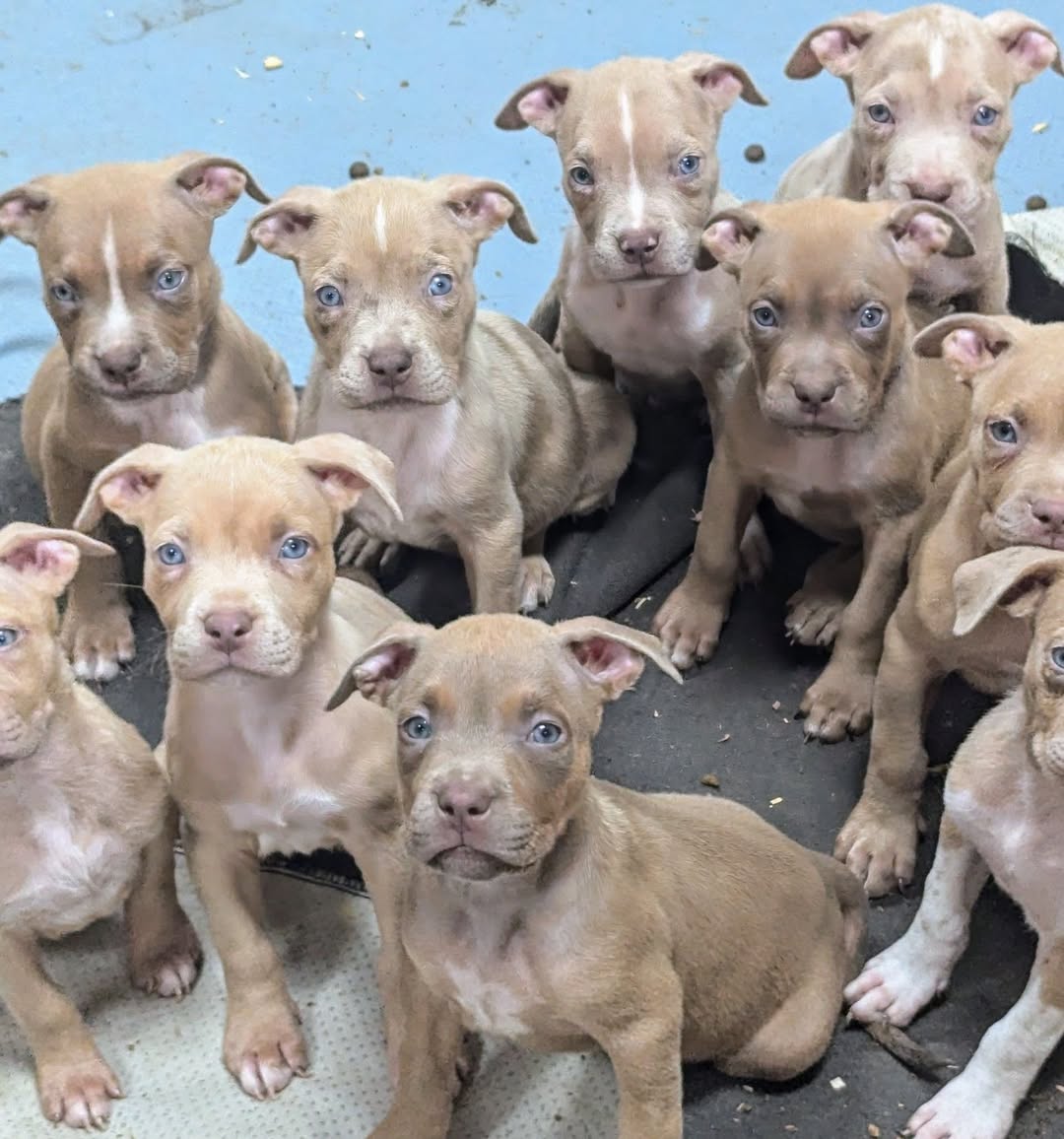
A Brazilian Bull can make an immediate impression with presence, muscle, and confident expression. But preparing for Brazilian Bull ownership starts well before a puppy comes home. The right preparation protects the dog, your household, and the investment you are making in a carefully bred companion or future prospect.
This is not a breed to choose only from photos, color, or size. Brazilian Bulls should be evaluated as individuals, with attention to structure, temperament, pedigree, health information, and the lifestyle you can realistically provide. A responsible owner plans for the adult dog, not just the puppy stage.
Understand What a Brazilian Bull Is – and Is Not
Brazilian Bulls and XL American Bullies are separate breeds and separate breeding programs. They should not be described as different names for the same dog or selected under the assumption that they will develop identically. While both may appeal to people who appreciate powerful, athletic bully-type dogs, each program has its own bloodlines, breed development, structural priorities, and pedigree background.
For buyers interested in Brazilian Bulls, imported Brazilian bloodlines and thoughtful pairings can be especially relevant. Ask direct questions about the dog’s lineage, registration, parents, health documentation, and the breeder’s goals for the pairing. Those details offer more value than broad claims about what every dog of a breed will be like.
Showtime Bullies is building its Brazilian Bull program around imported dogs, selected bloodlines, and planned development in the United States. That work matters because a developing program requires intentional selection, honest recordkeeping, and responsible placement. The kennel’s established XL American Bully program remains a separate part of its history and current work, with its own proven foundation.
Start With Your Adult-Dog Reality
A Brazilian Bull puppy may be manageable in your arms, but that is not the standard to plan around. Think about the dog as a mature, muscular adult that needs daily handling, clear expectations, and a home where management is consistent.
Start with your living situation. Secure fencing, safe gates, and enough room for controlled movement are more useful than simply having a large yard. A yard does not replace walks, training, or family interaction, but it gives a powerful dog a safer environment to decompress and exercise. If you rent, verify written pet rules, weight limits, breed restrictions, and insurance requirements before placing a deposit.
Your household routine matters just as much. Consider who will feed the dog, handle leash training, schedule veterinary visits, and maintain rules when guests arrive. A Brazilian Bull does best when the adults in the home agree on boundaries. Mixed messages create confusion, especially during adolescence, when a confident young dog may test what is allowed.
It also helps to consider children, older family members, other dogs, cats, and frequent visitors. A responsible breeder can discuss the temperament and placement needs of an individual puppy, but no breeder can replace supervision, introductions, and responsible management inside the home.
Build the Budget Before You Choose a Puppy
The purchase price is only one part of ownership. Families should have room in their budget for quality food, routine veterinary care, parasite prevention, vaccinations as recommended by their veterinarian, training, crates, durable equipment, grooming supplies, and unexpected medical needs.
Larger, strongly built dogs also need appropriately sized equipment. A crate should allow the dog to stand, turn, and rest comfortably. A collar, harness, and leash should be chosen for fit and control, not appearance alone. Cheap equipment that breaks under pressure is not a savings.
Insurance and emergency planning deserve attention as well. Whether you choose pet insurance, a dedicated emergency fund, or both, make the decision before an urgent situation occurs. Ask your veterinarian which local emergency clinic to use after hours, save the number, and know the fastest route from your home.
For prospective breeders, the financial commitment is considerably larger. Responsible breeding requires more than owning an impressive male or female. It involves health evaluation, pedigree study, proper housing, veterinary reproductive care, puppy raising, documentation, and a plan for every puppy produced. Anyone seeking breeding rights should be prepared to discuss goals and responsibilities in detail.
Preparing for Brazilian Bull Ownership at Home
Before pickup day, organize the home around calm structure rather than excitement. Set up the crate or designated sleep area in a quiet place where the puppy can rest without being isolated from the family. Remove electrical cords, medications, small objects, toxic plants, unsecured trash, and anything you would not want a curious puppy to chew.
A useful pre-arrival checklist includes:
- A correctly sized crate, bed, bowls, and puppy-safe chew options
- Food that matches the breeder’s transition guidance
- A leash, collar or harness, identification, and a secure travel setup
- A scheduled veterinary appointment shortly after pickup
- A written household plan for feeding, potty breaks, training, and supervision
The written plan may sound simple, but it prevents a common problem: one person allowing behavior that another person corrects. Decide early whether the puppy may be on furniture, where it sleeps, how it greets visitors, and which rooms are off limits. Consistency is fairer to the dog than changing the rules as it grows.
Training Is Part of Responsible Ownership
Training should begin immediately, with short sessions and clear rewards. Focus first on name recognition, coming when called, leash manners, crate comfort, handling of paws and ears, and calm greetings. These skills make veterinary visits, grooming, travel, and daily life easier as the dog matures.
Socialization is not a free-for-all with every person or dog you encounter. It means introducing the puppy to new sights, sounds, surfaces, people, and well-managed situations in a way that builds confidence without overwhelming it. Quality matters more than quantity. A calm visit to a pet-friendly store or a controlled introduction to a stable adult dog can be more valuable than a chaotic dog-park experience.
Professional training can be a smart investment, particularly for first-time owners of a strong, athletic breed. Look for a trainer who teaches owners how to communicate clearly and who understands that physical power requires reliable handling. Avoid approaches that rely on intimidation or promise instant results. Good training develops habits over time.
Health, Structure, and Documentation Matter
A well-bred puppy should come with transparent information appropriate to its age and placement. Ask what documentation is available, including pedigree details, registration information where applicable, health records, feeding guidance, contract terms, and the breeder’s recommendations for follow-up care.
Health is not a single checkbox. It includes thoughtful breeding decisions, routine veterinary care, appropriate growth management, sound nutrition, and watching how the individual dog develops. Avoid pushing a growing puppy into excessive exercise, repeated high-impact jumping, or forced conditioning. Young dogs need time to mature physically.
Structure also affects daily life. A dog with balanced movement and sound construction is better positioned for comfortable activity over the long term. This is one reason responsible breeders study more than color or headline size when planning a litter. Families should value those priorities too.
Choose the Right Placement, Not Just the Right Look
The best puppy for a home is not always the boldest puppy in a photo or the one with the rarest color. It is the puppy whose temperament, energy level, and placement needs fit the people responsible for it. Be open about your experience, work schedule, other animals, goals, and concerns. Honest conversations help a breeder guide you toward a more suitable match.
If you are interested in a breeding prospect, say so at the beginning. If you want a family companion, say that clearly as well. These are different placements with different expectations. A responsible program should be able to explain what information is available and what responsibilities come with each path.
Brazilian Bull ownership is a long-term commitment to training, care, structure, and daily leadership. Prepare the home, ask informed questions, and choose a dog based on documented quality and genuine fit. That is how a striking puppy grows into the stable, well-managed adult your family can be proud to live with.