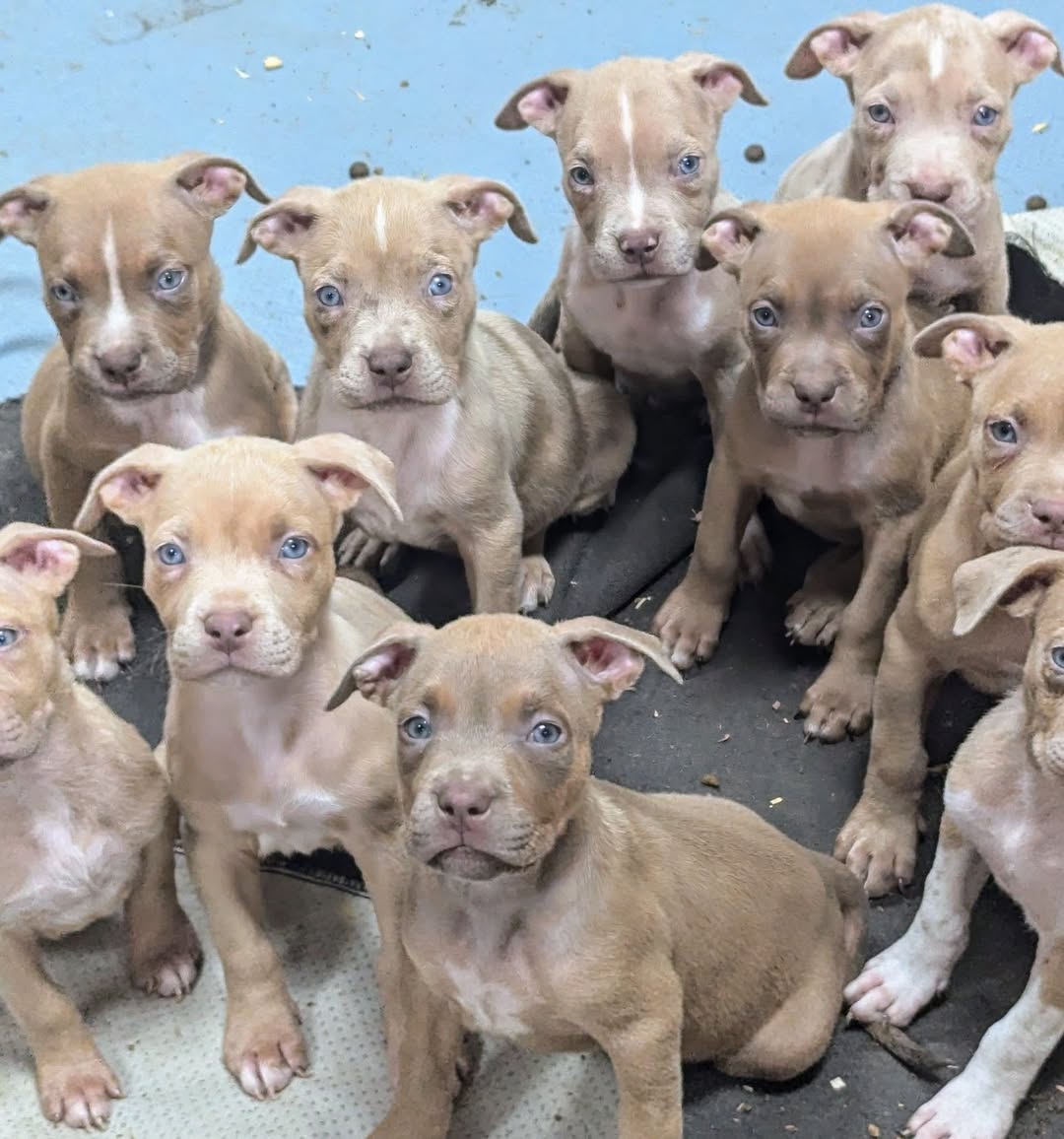
A massive head, clean movement, thick bone, and standout color can turn heads fast. But the right XL American Bully should bring more than presence to your home or breeding program. A serious guide to canine health testing starts with the proof behind the dog: transparent records, thoughtful pairings, and a breeder who treats long-term soundness as seriously as structure and pedigree.
Health testing is not a marketing extra. It is part of responsible decision-making for families choosing a companion and breeders building the next generation. No test can promise a dog will never get sick, but the right screening gives buyers and breeders stronger information before a puppy joins a family or a dog enters a breeding program.
What Canine Health Testing Actually Tells You
Canine health testing is a broad term. It can include DNA testing, orthopedic evaluations, heart screening, eye exams, routine veterinary care, and a detailed look at a dog’s family history. Each one answers a different question.
DNA testing looks for inherited variants associated with particular conditions. Orthopedic screening evaluates joints and skeletal development. Cardiac and eye evaluations look for concerns that may not be visible in a young, athletic-looking dog. A veterinarian’s wellness exam confirms a dog is healthy at that point in time, but it is not a substitute for breed-relevant genetic and structural screening.
For XL American Bullies, this distinction matters. Big-bodied, muscular dogs place real demands on their joints, conditioning, and overall structure. A puppy can have an impressive pedigree and still deserve the same careful review of health information as any other dog. Great breeding is about stacking the odds in the right direction, not making impossible guarantees.
A Guide to Canine Health Testing for Buyers
When you are evaluating a breeder, ask what testing has been completed on the sire and dam of the litter. The best question is not simply, “Are your dogs health tested?” Ask which tests were performed, when they were performed, and whether the breeder can explain the results in plain language.
A professional breeder should be comfortable discussing health records without becoming vague or defensive. You should expect to see documentation where appropriate, along with vaccine and deworming information for the puppy. Registration papers and an impressive bloodline matter, but they do not replace health documentation.
Start With the Parents, Not Just the Puppy
A puppy’s first veterinary visit is essential, yet the parents provide the more meaningful window into inherited risk. Ask about the sire and dam’s age, health history, physical condition, movement, and temperament. If possible, review photos or video of the parents in motion rather than judging them only in posed images.
Look for balanced movement, a dog that can carry its size comfortably, and a stable, people-friendly demeanor. An XL Bully should be powerful without appearing strained, excessively loose, or unable to move with confidence. Extreme size may look impressive, but responsible breeding requires balance. Bigger is not automatically better if the dog lacks functional structure.
Family history matters as well. Breeders who know their lines can speak honestly about what they have seen across generations, including strengths they want to preserve and concerns they work to avoid. This is where an established program has an advantage: years of observing relatives offer context that a single lab report cannot provide.
Understand DNA Results Without Overreacting
Genetic reports often use terms such as clear, carrier, and at-risk or affected. A clear result means the tested variant was not detected. A carrier has one copy of a variant for a recessive condition and may not show signs of that condition. An at-risk or affected result can mean the dog has inherited variants associated with the disease, depending on the condition and test.
A carrier result is not automatically a reason to reject a dog or label a breeder irresponsible. In a carefully planned breeding program, a carrier can sometimes be paired only with a clear mate so puppies are not expected to be affected by that recessive condition. Removing every carrier from breeding overnight can shrink genetic diversity, creating different problems down the road.
What matters is whether the breeder understands the result and makes responsible pairing decisions. Be cautious of anyone who claims every health test is unnecessary, or who promises a DNA panel proves a dog is perfect. Genetics are powerful information, not a crystal ball.
Look Beyond a DNA Panel
Some of the most valuable health checks are not simple cheek-swab tests. Orthopedic evaluations may assess hips and elbows, while cardiac screening can help identify heart concerns. Eye examinations are also valuable when recommended for the individual dog, line, or breed community.
The exact screening plan can vary based on a dog’s age, pedigree, symptoms, and intended role. Young dogs are still developing, so early results may have limitations. A breeder should know when a dog is mature enough for a meaningful evaluation and should avoid rushing a breeding decision simply because a dog has color, muscle, or social media appeal.
For families, ask what the breeder does to support healthy development after pickup. Clear feeding guidance, age-appropriate exercise, vaccination records, and honest expectations about growth are all part of raising a large-breed puppy responsibly. Rapid growth, overfeeding, hard impact exercise, and slippery flooring can all make life tougher on developing joints.
Health Records That Should Be Easy to Discuss
A well-run program keeps its records organized because good decisions depend on good information. Before placing a deposit, have a direct conversation about the puppy’s care and the parents’ screening. You do not need to become a veterinarian, but you should understand what you are being shown.
The most useful records may include:
- Parent health-testing results that identify the dog and testing provider
- Orthopedic, cardiac, or eye evaluations when completed or recommended
- Puppy vaccination and deworming records
- Veterinary wellness information and any health guarantee terms
- Registration documentation and pedigree details
Read guarantees carefully. A health guarantee should explain what is covered, what steps a buyer must take after pickup, and the timeline for a veterinary exam. It should not be treated as a replacement for proper care, routine checkups, nutrition, training, and supervision. Owning a powerful XL Bully is a long-term commitment, and the strongest breeder-buyer relationships begin with clear expectations on both sides.
Questions Serious Buyers Should Ask
The right questions protect your investment and, more importantly, protect the dog. Ask whether the parents have produced previous litters and how those dogs are doing as they mature. Ask how puppies are socialized, what surfaces they are exposed to, and how the breeder evaluates temperament before placement.
For a family companion, stable temperament should carry as much weight as coat color. A lilac tri, merle, blue, or champagne XL Bully can be visually exceptional, but the dog also needs the confidence and social foundation to thrive around children, visitors, and everyday home life. For breeders, ask even deeper questions about related dogs, prior pairings, and the breeder’s reasoning behind the match.
It is also fair to ask what happens if a concern appears after you take your puppy home. Responsible breeders do not disappear after the sale. They offer guidance, want to know how their dogs develop, and understand that their reputation is built one family and one breeding decision at a time.
The Role of Daily Care After Testing
Testing gives you a starting point, not a finish line. Even a puppy from carefully screened parents needs a solid routine to reach its potential. Keep your veterinarian involved, maintain a healthy body condition, use controlled exercise during growth, and take training and socialization seriously from day one.
Watch for changes in appetite, energy, gait, breathing, skin, stool, or behavior. Early attention to a problem is usually better than waiting for it to become a larger one. Large, muscular dogs often attract attention for their look, but their best lives are built through consistent care behind the scenes.
At Showtime Bullies, the standard should always be bigger than a photo or a pedigree alone. Choose a puppy or breeding partner with confidence, ask for the records, and value the breeders who can stand behind both the power of their dogs and the care that shaped them.