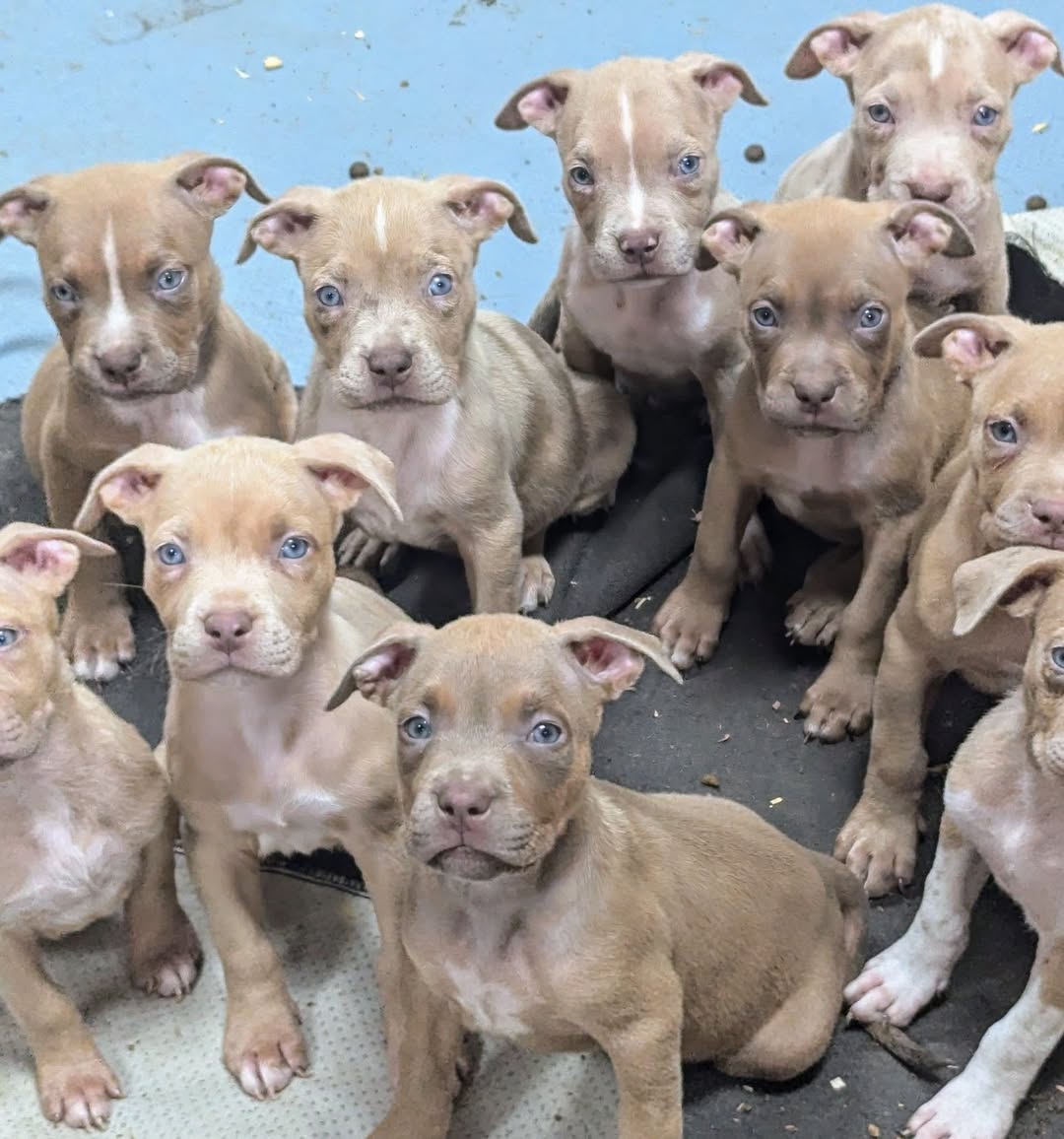
A wide chest, powerful head, clean structure, and standout color can stop you in your tracks. But the puppy that becomes the right long-term fit is the one with a steady mind behind that impressive look. The best bully puppy temperament traits are not about picking the loudest pup in the litter or the one that acts toughest. They are about recognizing confidence, affection, stability, and a willingness to connect with people.
For families, a well-bred American Bully should bring serious presence without creating unnecessary chaos at home. For breeders, temperament is equally valuable because a strong pedigree and elite structure mean more when the dog also has the dependable character to pass on. The goal is a bold, muscular dog that can settle beside the family, handle new experiences with composure, and remain eager to engage.
Best Bully Puppy Temperament Traits for Family Homes
Temperament is shaped by genetics, early handling, socialization, daily routines, and the individual puppy. No responsible breeder should promise that every puppy will behave exactly the same way in every setting. Still, certain traits give buyers a strong foundation to look for.
Confident, not pushy
Confidence is one of the clearest signs of a promising bully puppy. A confident puppy is curious about a new person, notices a sound or movement, and recovers quickly if something surprises it. It may walk over to investigate, offer a wagging tail, or return to playing after a brief pause.
That is different from a puppy that barrels into every interaction without reading boundaries. A little boldness is normal, especially in a strong, athletic breed, but the best prospect can be redirected and responds well to calm human guidance. You want presence and personality, not constant over-arousal.
Affection that comes naturally
American Bullies are widely loved for their people-focused nature. Look for a puppy that enjoys being near people and accepts gentle handling without panic or frantic resistance. A pup may climb into your lap, follow you a few steps, or settle comfortably when held for a moment.
Affection does not have to look identical in every puppy. One may be a full-time cuddle bug, while another shows attachment by staying close and checking in often. Both can become deeply loyal companions. The better question is whether the puppy seeks positive contact and feels secure around calm people.
A quick recovery from surprises
Puppies will startle. A dropped bowl, a barking adult dog, a new surface, or an unfamiliar voice can all produce a momentary reaction. What matters most is recovery. A stable puppy may jump back, assess the situation, and then resume exploring or playing.
A puppy that stays overwhelmed, shuts down, or repeatedly escalates after normal stimulation needs more careful evaluation. This does not automatically make that puppy a bad dog. It may simply need a quieter home, experienced training, or more time to mature. Buyers should match the puppy’s needs to their household rather than choosing only by looks.
Comfortable handling
A bully puppy will need regular hands-on care throughout life. Nails need trimming, ears need checking, paws need cleaning, and veterinary visits are part of responsible ownership. A puppy that can accept light handling around its paws, ears, collar, and body is showing a useful early skill.
Watch for softness in the interaction. The puppy does not need to lie perfectly still, but it should not become intensely distressed when touched appropriately. Breeders who raise puppies in a high-contact environment give them valuable early exposure to normal handling, which makes the transition into family life smoother.
Playful with an off switch
A quality bully puppy should enjoy play. Healthy play shows enthusiasm, loose movement, and the ability to pause when redirected. Puppies naturally mouth, tug, chase, and wrestle, so do not mistake normal puppy behavior for a future temperament problem.
The trait that separates an enjoyable companion from a nonstop handful is the off switch. After a burst of activity, can the puppy settle? Does it respond when the interaction slows down? A future XL American Bully needs outlets for exercise and training, but it should also have the potential to relax in the home.
What You Can Learn During a Puppy Visit
One short visit cannot predict an adult dog’s entire personality. Puppies may be sleepy after eating, extra excited around new guests, or temporarily distracted by littermates. Still, a visit can reveal more than a staged photo ever will.
Ask to see the puppy in a clean, familiar environment and observe before reaching for it. Notice how it moves through the space, interacts with littermates, and responds when a person enters. Then spend a few quiet minutes with the puppy one-on-one. A strong candidate often shows curiosity, social interest, and the ability to settle into the moment.
Pay attention to the whole litter, too. Litter behavior provides context. A puppy that is quieter than its siblings may simply be thoughtful, not timid. The most vocal puppy may be excited, not dominant. Labels like “alpha” are often oversimplified and do not tell you whether the puppy will be a dependable adult companion.
A reputable breeder should be able to explain each puppy’s personality in plain language. Ask which pups are most outgoing, which are more laid-back, and which homes they believe would fit each one best. Honest matching is a sign that the breeder cares about the dog’s future, not just the sale.
Temperament Starts With the Parents
The strongest puppy selection process starts before the litter is born. Bloodline, structure, health screening, and color genetics may lead a buyer to a particular pairing, but the parents’ behavior deserves equal attention. A massive, correct male or female with a sound, social temperament adds real value to a breeding program.
Ask how the sire and dam behave with familiar people, visitors, and daily handling. You may not always meet both parents in person, especially when outside studs or frozen semen are involved, but a breeder should speak clearly about their character and how they have produced in prior litters.
Temperament is inherited in part, but it is not copied like a coat color. Early puppy raising matters. Clean spaces, frequent human contact, age-appropriate exposure, routine handling, and thoughtful socialization help puppies build confidence. At Showtime Bullies, the standard is to pair elite bully presence with the affectionate, family-ready character buyers expect from this breed.
Traits That Need a Closer Look
Do not expect perfect behavior from an eight-week-old puppy. Puppies are learning constantly. However, a few patterns deserve an honest conversation with the breeder and, if needed, a qualified trainer or veterinarian.
Persistent fear that does not improve with space and gentle encouragement is worth discussing. So is repeated intense guarding around food or toys, extreme inability to settle, or a puppy that seems disconnected from people and its surroundings. Context matters. A puppy may be tired, uncomfortable, or in the middle of a developmental stage, which is why a breeder’s firsthand knowledge is valuable.
Avoid choosing based on a belief that the most challenging puppy will become the best protector. Stable temperament is more desirable than reactive behavior. A properly raised American Bully should be alert to its environment while remaining manageable, affectionate, and safe around the people it knows.
Build the Temperament You Want After Pickup
The right puppy comes with potential, not a finished personality. The first months at home will shape how that potential develops. Keep the routine clear: regular meals, sleep, potty breaks, short training sessions, and calm introductions to the people and places that will be part of the dog’s life.
Socialization does not mean overwhelming a puppy with every possible experience. It means creating positive, controlled exposure. Let your puppy meet steady adults, observe respectful children, walk on different safe surfaces, ride in the car, and hear everyday household sounds at a pace it can handle. Pair new experiences with praise, food, and room to retreat when needed.
Training should begin immediately with simple skills such as name recognition, coming when called, leash introduction, sitting politely, and trading a toy for something better. Because bullies grow into powerful dogs, early manners are not optional. A 20-pound puppy that pulls, jumps, or ignores boundaries is far easier to guide than an adult XL Bully with the same habits.
The right choice is a puppy whose character fits your real life, not just your dream photo. Choose the one that combines confident curiosity with a soft, people-loving center, then give that puppy the structure, socialization, and leadership worthy of the dog it is growing into.