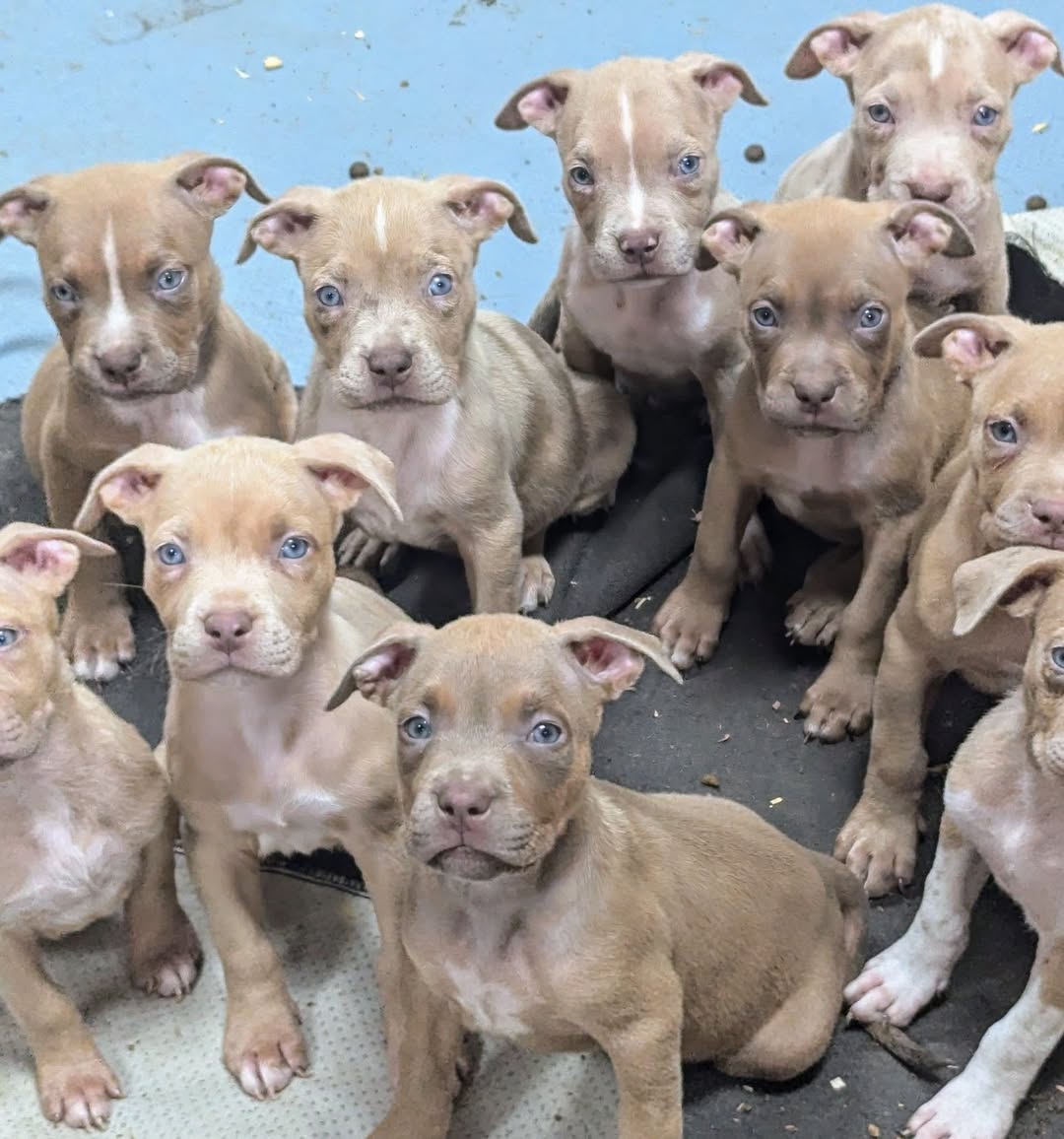
A powerful XL American Bully can turn heads before it ever takes a step. But the features that matter after the first impression – stable nerves, correct movement, family temperament, and lasting structure – are written into more than a color or a famous name. This American Bully bloodline guide helps buyers and breeders read a pedigree with a sharper eye.
A bloodline is not a promise that every puppy will look or act exactly like a well-known ancestor. It is a record of genetic influence, breeder decisions, and the traits that have been selected over generations. The right pedigree can raise the odds of getting the size, muscle, head shape, drive, and personality you want. It cannot replace responsible breeding, health screening, early socialization, or honest evaluation of the individual dog in front of you.
What an American Bully Bloodline Really Tells You
A pedigree shows a dog’s parents, grandparents, and earlier generations. When those dogs are consistently built, healthy, and sound in temperament, the pedigree gives buyers valuable context. You are looking for patterns, not just one famous dog appearing several generations back.
For an XL American Bully buyer, those patterns may include substantial bone, a broad chest, a powerful rear, a clean topline, correct feet, and balanced movement for the dog’s size. For a family, the pattern should also include confident, manageable dogs that are affectionate with their people and able to settle in a home environment.
The strongest programs do not chase one trait at the expense of everything else. Extreme size with poor movement is not a win. An impressive head without a reliable temperament is not a win either. A quality American Bully should carry real presence while remaining a companion that can live safely and happily as part of the family.
Bloodline Names Are Starting Points, Not Shortcuts
Names such as Gotty, Razor’s Edge, and Greyline are widely recognized in American Bully pedigrees. Each has influenced the breed’s look and direction in different ways, and breeders may use those influences to pursue particular traits. Depending on the dogs behind the name, you may see a preference for bully type, athletic balance, mass, headpiece, or a distinctive overall style.
Still, no line should be judged by reputation alone. Two puppies advertised with the same bloodline name can mature very differently because their closer relatives, the breeding match, the breeder’s standards, and their early environment all matter. Ask which dogs are closest in the pedigree and what those dogs consistently produce. A fifth-generation name may be interesting. The sire, dam, grandparents, and full siblings usually tell you far more.
How to Read a Pedigree Before You Choose
Start with the sire and dam. Review their adult photos and videos, not only polished puppy pictures. Watch how they stand, move, breathe, and interact with people. An XL Bully should look substantial, but the dog should also be able to move freely and comfortably. Heavy bone and muscle are desirable only when paired with a structure that supports them.
Then look at the grandparents and repeated dogs in the pedigree. Linebreeding, where a breeder intentionally repeats a respected ancestor, can make desired traits more predictable. It can also concentrate unwanted traits if the breeder is careless. That is why disciplined selection and transparent health information matter more than the mere presence of linebreeding.
Ask direct questions about what the family produces. Do the offspring tend to stay athletic for their frame? Are they stable with children and visitors when properly introduced? Do they hold their body condition well? What are their mature heights and weights? A professional breeder should be able to discuss strengths honestly, including the areas they work to improve in future pairings.
Registration through organizations such as ABKC or UKC documents identity and pedigree. It is useful, but registration alone does not prove a dog is exceptional, healthy, or suited for breeding. Treat it as one piece of the complete picture.
Structure Should Carry the Pedigree
An elite pedigree should show up in the way a dog is put together. For XL and XXL American Bullies, buyers are often drawn to massive frames, wide fronts, thick necks, and dramatic muscle. Those features are part of the appeal, but they need balance.
Look for a dog with a proportionate head, open nostrils, clear eyes, a strong neck, a level or appropriately balanced topline, and a rear assembly that can drive movement. Feet should be tight and functional rather than splayed. The front and rear should work together, not fight each other.
Avoid treating exaggerated features as proof of quality. A dog that is overly loaded in the front, restricted in motion, or uncomfortable in normal activity may look impressive in one stacked photo but will not represent the best long-term outcome. Great XL Bullies have mass and power with enough balance to live an active, comfortable life.
Temperament Is Part of the Bloodline Conversation
The American Bully was developed to be a people-oriented companion. A well-raised dog can be loyal, affectionate, playful, and highly connected to its family. That does not mean every dog has the same energy level or social style. Some are outgoing, while others are more reserved until they know someone.
When evaluating a litter, ask how puppies are raised and what exposure they receive before going home. Early handling, household sounds, crate introduction, age-appropriate play, and respectful interaction with people can make a meaningful difference. Genetics set a foundation, while consistent training and socialization shape how that foundation develops.
Families should choose the puppy whose temperament fits their household, not simply the one with the biggest head or rarest color. A confident, responsive puppy from a stable pairing is often the better match for a home with children, guests, and everyday activity.
Health Screening Is a Non-Negotiable Part of Quality
Premium breeding means looking beyond appearance. Responsible breeders evaluate breeding dogs with health and longevity in mind, using appropriate veterinary care and screening practices for their program. Because large, muscular dogs place real demands on their joints and bodies, buyers should ask thoughtful questions about the health history of the sire, dam, and close relatives.
No breeder can promise that a living animal will never face a health issue. What a responsible breeder can do is make informed decisions, avoid breeding dogs with known serious concerns, keep vaccination and wellness protocols current, and provide clear records for the puppy’s care. Buyers should also be prepared to protect their investment with quality nutrition, healthy growth management, routine veterinary visits, and appropriate exercise.
Do not rush a puppy’s growth with overfeeding or intense impact activity. XL Bullies need time to develop. A well-bred puppy deserves a home that supports sound maturity instead of pushing for maximum size too early.
Color Genetics Should Never Lead the Decision
Lilac tri, blue, champagne, and merle American Bullies have undeniable visual impact. For many buyers, color is part of the dream. There is nothing wrong with wanting a striking dog, provided the search does not stop there.
The best order of priorities is temperament, health-minded breeding, structure, pedigree consistency, and then color. A rare color can be the finishing touch on a standout puppy. It should not be used to excuse weak movement, poor condition, questionable breeding practices, or a lack of documentation.
For breeders, color pairings require knowledge and restraint. Responsible color breeding means understanding the genetics involved and selecting dogs that bring more to the program than a marketable shade. The goal is to produce complete American Bullies – not just colorful ones.
Questions Serious Buyers Should Ask
Before placing a deposit, ask to see the sire and dam or detailed current information about them. Request the pedigree, registration details, health and vaccination records, and information about the puppy’s early routine. Ask when the puppy can go home and what support is available after pickup.
For a future breeding prospect, go further. Ask about adult offspring from the line, how consistently the family produces, and whether the breeder can explain the purpose behind the pairing. A breeding-quality dog needs more than a recognizable pedigree and a photogenic puppy stage. It needs the structure, temperament, documentation, and genetic value to justify carrying a program forward.
At Showtime Bullies, the standard is built around the complete dog: commanding XL and XXL presence, documented pedigree depth, family-focused raising, and the kind of stable temperament that makes a powerful bully feel at home beside its people.
The right puppy should make you excited now and confident years from now. Choose the bloodline that gives you a foundation, then choose the breeder and individual dog that prove the foundation was used with care.