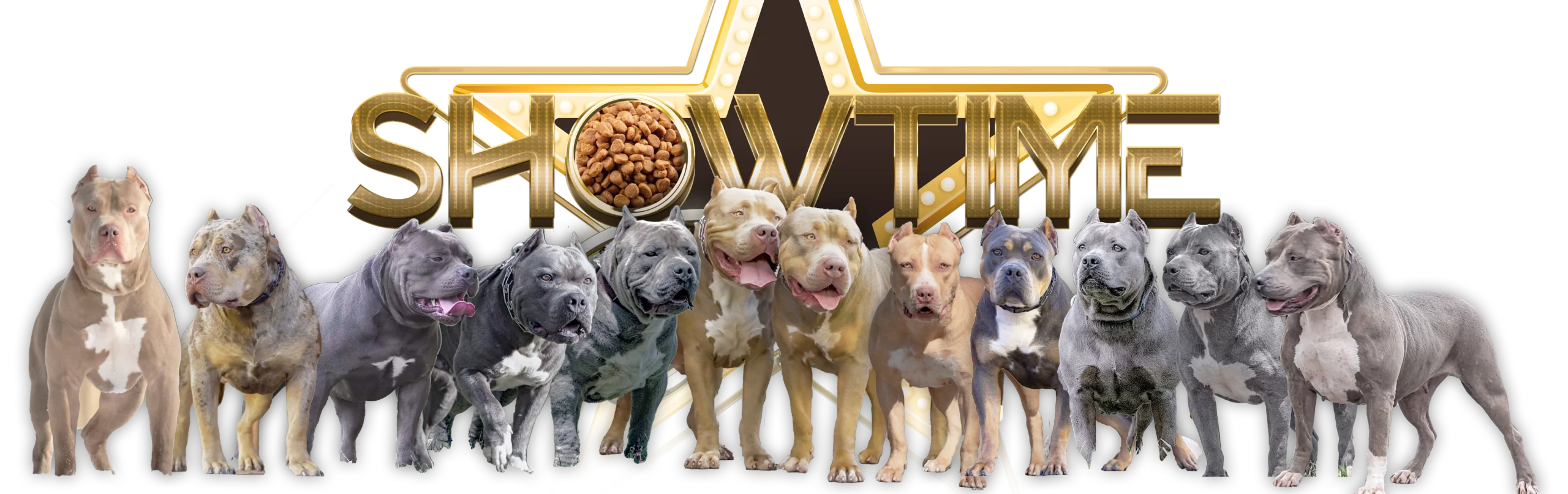
Brazilian Bull Breed
Elite Brazilian Bully Bloodlines
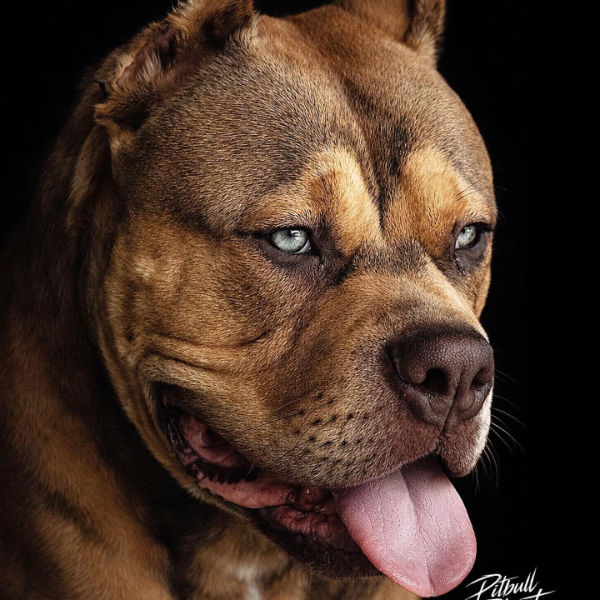
What Is a Brazilian Bull?
The Brazilian Bull is a powerful, extreme bully-type bloodline developed in Brazil and known for its oversized structure, massive bone, and commanding physical presence.
The Brazilian Bull represents a specialized evolution of the American Bully — particularly within XL and XXL programs — where emphasis is placed on width, density, and visual dominance.
This is a dog bred to stand apart.
Origin & Bloodline Development
Brazilian kennels became known internationally for pushing bully structure to its limits. Through selective breeding, they developed dogs featuring:
- Massive head proportions
- Extremely thick bone structure
- Deep, wide chests
- Compact yet powerful frames
- Dense, visible musculature
The result is a line of dogs often referred to as “Monster” bloodlines — not for aggression, but for size and presence.


Structure & Physical Traits
Brazilian Bulls are typically characterized by:
- Broad skull and pronounced cheek muscles
- Shorter, thick necks
- Wide-set stance
- Substantial forearm and rear muscle development
- XL height class with exceptional mass
They carry the imposing structure of an XL bully while often exceeding traditional proportions.
Temperament
Despite their appearance, properly bred Brazilian Bulls are known for:
- Confidence
- Loyalty
- Human bonding
- Stable disposition
Temperament is a direct result of responsible breeding. Size and structure should never come at the expense of stability.
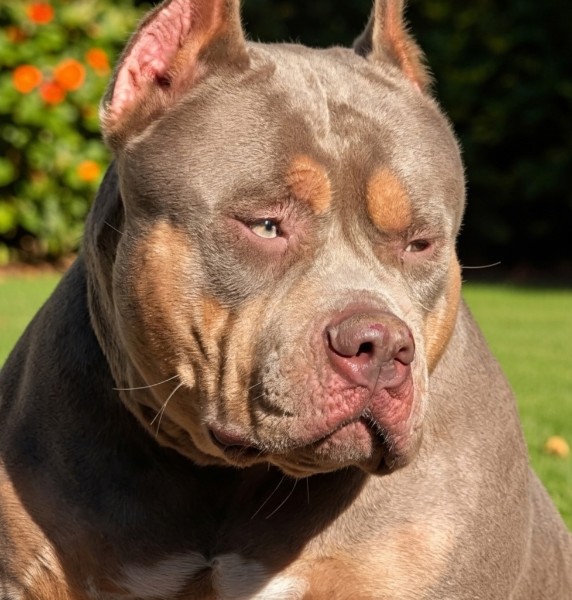

Brazilian Bloodlines at Showtime Bullies
At Showtime Bullies, our Brazilian Bull program is built around:
✔ Carefully selected imported dogs
✔ Structural integrity
✔ Strong pedigree foundations
✔ Balanced temperament
We focus on preserving the extreme mass and presence these bloodlines are known for — while maintaining quality and soundness.
If you’re interested in availability, you can view our current litters and upcoming breedings on our Puppies page.
Brazilian Pit Monster FAQs
Is a Brazilian Bull a real breed?
The Brazilian Bull is a distinct bully breed developed in Brazil through selective breeding programs involving American Bulldog, Pitbull, and later bully bloodlines. Known for massive structure, heavy bone, and compact power, the Brazilian Bull has developed its own identity separate from the modern American Bully.
How big do Brazilian Bulls get?
Brazilian Bulls typically fall within the XL class in height, but what sets them apart is mass and bone density. Mature males often display extreme head size, thick forearms, and compact, powerful frames that exceed the average proportions seen in many XL American Bullies.
Size varies depending on bloodline, structure, and breeding goals.
Are Brazilian Bulls aggressive?
When properly bred, Brazilian Bulls are known for confidence and loyalty rather than aggression. Temperament is heavily influenced by breeding practices and early socialization.
Responsible breeding prioritizes stability and structure together. Size and appearance should never come at the expense of temperament.
What makes Brazilian bloodlines different?
Brazilian bully programs became known for selectively breeding for exaggerated structure — including wider chests, heavier bone, and massive head proportions.
These bloodlines are often imported by U.S. breeders seeking rare pedigree foundations and distinctive structure that stands apart from domestic lines.
What is the difference between a Brazilian Bull and an XL American Bully?
The primary difference lies in breeding focus.
An XL American Bully follows established height classes within the American Bully breed standard. A Brazilian Bull typically refers to extreme bully-type bloodlines developed in Brazil that emphasize mass, density, and visual dominance beyond traditional proportions.
While closely related in foundation, Brazilian Bulls are often described as a more exaggerated evolution of the XL type.
Are Brazilian Bulls good family dogs?
With proper training and responsible ownership, many bully-type dogs are known for strong family bonding and loyalty. As with any powerful breed, early socialization, structure, and guidance are essential.
Temperament should always be evaluated at the individual level rather than based solely on appearance.
Why are Brazilian Bulls so popular right now?
Interest in Brazilian Bulls has grown due to their imposing physical structure, rare imported pedigrees, and strong presence in online communities. Their size and exaggerated features make them visually distinctive within the bully world.
Brazilian Bull Breeder in Florida
Showtime Bullies is based in Clearwater, Florida, serving clients throughout the Tampa Bay area and nationwide.
Our Brazilian Bull program includes carefully selected imported bloodlines developed in Brazil and raised in a structured breeding environment here in Florida. Buyers frequently travel from across the state — including Tampa, St. Petersburg, Orlando, and Miami — to work with our program.
We also coordinate professional ground and air transport for families across the United States.
While many breeders focus solely on local sales, we work with clients nationwide who are specifically seeking elite Brazilian bloodlines.
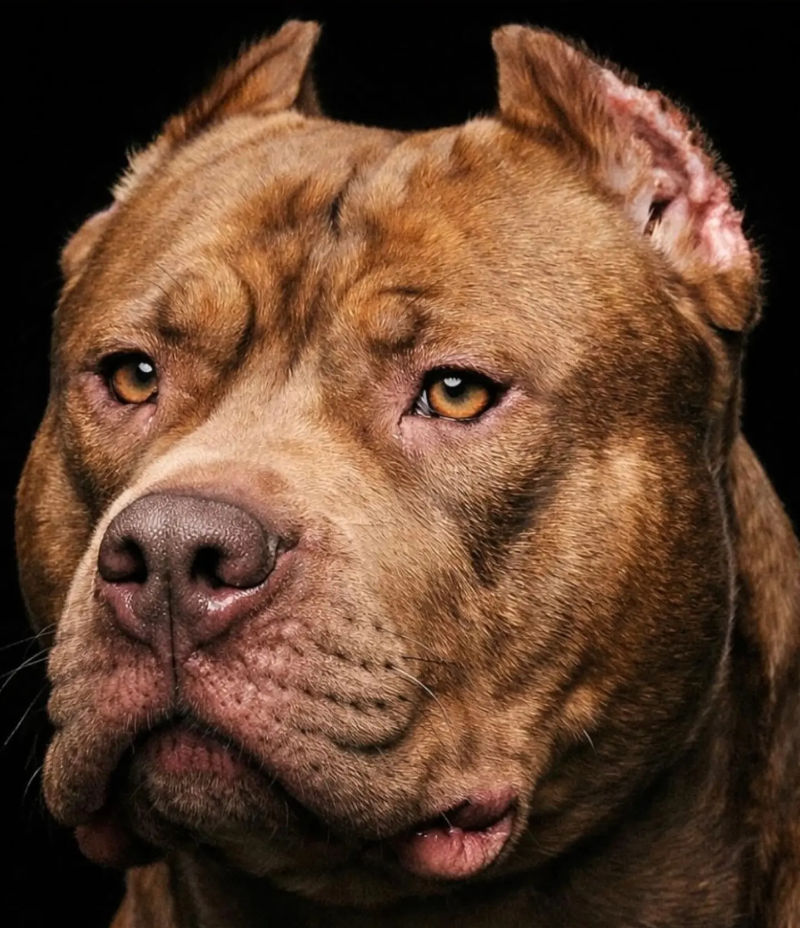
Why Brazilian Imports Matter
Brazilian Bull bloodlines have gained international attention because of the selective breeding programs behind them.
Many Brazilian kennels focus intensely on mass, bone density, head structure, and compact power — refining generations toward exaggerated yet controlled physical presence. These programs often operate with specific structural goals that differ from traditional domestic lines.
Importing directly from established Brazilian bloodlines allows breeders to introduce:
- New pedigree diversity
- Rare structural traits
- Consistency in head and bone development
- Distinct visual identity
However, importing is not about hype or novelty. It requires careful evaluation of structure, temperament, and long-term breeding compatibility.
At Showtime Bullies, imported bloodlines are selected for how they strengthen the overall program — not simply for name recognition.
Quality imports should improve structure, preserve stability, and elevate the next generation.
That is the standard we operate by.