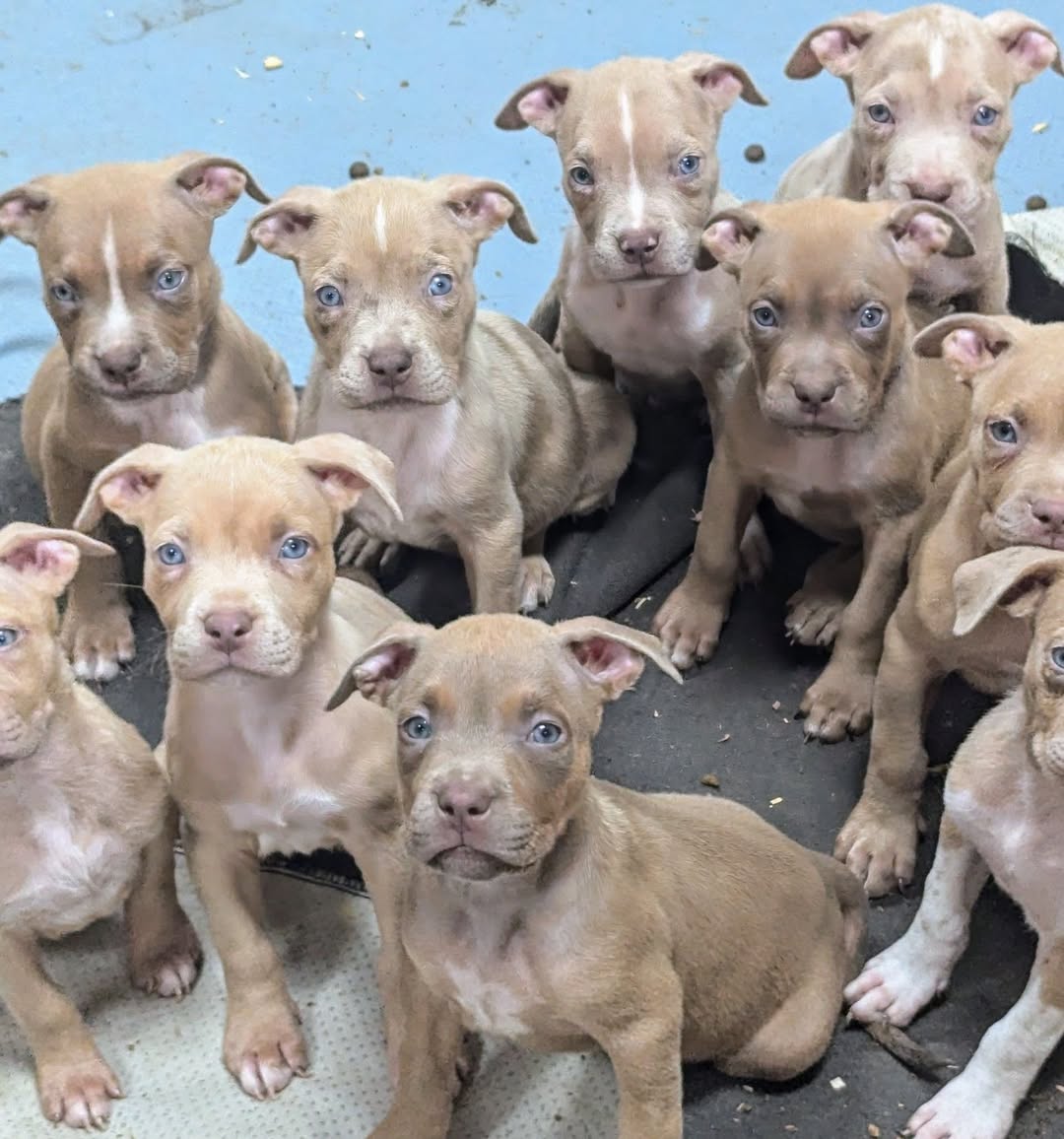
A serious Brazilian Bull program is not built by following whichever look is getting attention online. The Brazilian Bull trends that matter most in the United States are centered on imported foundation dogs, clear pedigree information, functional structure, and breeding decisions that support stable temperaments. As interest in the breed grows, the difference between a carefully developed program and a quick label becomes increasingly clear.
For families, enthusiasts, and breeders, the appeal is understandable. Brazilian Bulls bring a distinctive presence, substantial muscle, and a powerful overall picture that stands apart from other bully-type dogs. But appearance is only one part of the equation. A dog’s lineage, health information, movement, character, and placement into the right home all deserve the same attention as color, head shape, or size.
Brazilian Bull Trends Start With True Foundation Dogs
The strongest trend in Brazilian Bull breeding is the focus on legitimate foundation stock from Brazil. Imported dogs and documented Brazilian bloodlines give a program a more defined starting point than vague claims about type or appearance. For a developing breed presence in the United States, this matters because the earliest breeding decisions will influence consistency for years to come.
Pedigree should be treated as working information, not decorative paperwork. It helps breeders evaluate lineage, identify repeated traits, understand how closely dogs may be related, and make more informed plans for future pairings. Buyers should be able to ask direct questions about a dog’s background, registration, breeding role, and available documentation.
Imported bloodlines alone do not make a breeding program responsible. A quality imported dog still needs to be evaluated as an individual. Does the dog have balanced proportions? Does it move cleanly? Does its temperament fit the program’s direction? Does the pedigree complement, rather than simply repeat, the rest of the kennel? Those are the questions behind a planned pairing.
Structure Is Moving Beyond the Photo
Social media can reward extreme angles, oversized features, and heavily edited images. Experienced owners know that a still photo does not tell the whole story. One of the healthier Brazilian Bull trends is a shift toward structure that remains functional away from the camera.
A well-built dog should present strength without looking unstable or restricted. Balance across the front and rear, sound feet, appropriate conditioning, and easy movement all contribute to a dog that can live comfortably as a companion and participate in normal daily activity. Heavy bone and muscularity can be impressive, but they should not come at the expense of mobility or overall comfort.
This is where buyers should slow down. A young puppy changes quickly, and no responsible breeder should promise that every puppy will develop into an identical adult. Genetics, growth, nutrition, exercise, and maturity all affect the final result. What a breeder can do is explain the parents, the intended direction of the pairing, and the traits being selected for with honesty.
Temperament Has Become a Real Buying Priority
The Brazilian Bull attracts attention because of its visual impact, but the right temperament is what makes ownership rewarding. Families want dogs that are loyal, manageable, and able to settle into a home. Enthusiasts want confidence without unnecessary instability. Breeders need dogs with character they can responsibly carry forward.
Temperament is shaped by both genetics and environment. Early handling, appropriate socialization, household exposure, boundaries, and consistent training all matter. A puppy raised with care still needs an owner prepared to continue that work after pickup.
Prospective owners should be realistic about the commitment. A powerful, athletic bully-type dog is not a hands-off pet. Training should begin early, and daily routines should include structure, leash skills, supervised introductions, and appropriate physical and mental outlets. The right match depends on the household, the owner’s experience, children and other animals in the home, and the time available for training.
A responsible breeder does not place every puppy into every situation. Asking questions about lifestyle is not a barrier to ownership. It is part of making sure a puppy has the best opportunity to become a stable adult dog.
Health Information and Transparency Are Raising Expectations
Another meaningful trend is that serious buyers are asking for more than attractive puppy photos. They want to understand health information, veterinary records, pedigree details, registration status, and the terms of purchase. That expectation benefits everyone involved.
Health-focused breeding requires ongoing judgment. It includes reviewing the individual dog, maintaining appropriate veterinary care, considering family history where available, and avoiding breeding decisions based only on short-term demand. No breeder can promise a living animal will never face a health issue. What responsible programs can offer is transparency about the information they have and a willingness to discuss their breeding approach clearly.
Documentation also helps buyers compare programs fairly. If information about a dog’s lineage, health, registration, or role in a breeding program is unclear, it is reasonable to ask for clarification before making a commitment. A buyer should never feel pressured to make a decision without understanding what is being offered.
Brazilian Bulls and XL American Bullies Are Different Programs
As Brazilian Bull interest expands, one point deserves to be stated plainly: Brazilian Bulls and XL American Bullies are not interchangeable. They are separate breeds and should be evaluated within their own pedigrees, breeding goals, and program standards.
XL American Bullies remain an important part of Showtime Bullies’ established history. That program reflects years of work with recognized bloodlines, proven studs, breeding females, and family-raised puppies. The Brazilian Bull program is the future-facing focus, developed through selected Brazilian imports and planned pairings intended to build a meaningful presence in the United States.
For buyers, that distinction is useful. Someone drawn to the established XL American Bully type may be looking for something different from a buyer seeking Brazilian Bull lineage and development. The right conversation starts with clear goals rather than assuming similar-looking dogs come from the same background or should be marketed under the same name.
What the Market Means for Buyers and Breeders
Growing demand can create opportunity, but it also creates noise. A buyer may see bold claims about rare bloodlines, oversized adults, or instant breeding value. Those claims should be examined carefully. Value comes from documented lineage, quality structure, responsible temperament, health awareness, and a breeder’s ability to explain why a pairing was made.
For those considering a puppy, it helps to ask practical questions before placing a deposit. Learn when puppies are ready for pickup, what records are provided, what the purchase process includes, and how the breeder handles communication. If breeding rights are being considered, discuss pedigree, registration, future goals, and whether the dog is truly a fit for a program rather than assuming every puppy should be bred.
For experienced breeders, the trend is toward more intentional collaboration and less guesswork. Building a program around imported Brazilian dogs requires patience. The goal should not be to produce the most dramatic first-generation result possible. It should be to make pairings that strengthen the next generation while protecting the integrity of the program.
The Direction That Matters Most
Brazilian Bulls have room to make a lasting impact in the United States when breeders and buyers hold the breed to a serious standard. The most valuable trends are not the loudest ones. They are the steady choices: documented bloodlines, dogs with sound structure, stable homes, clear communication, and breeding plans that look beyond a single litter.
If you are considering a Brazilian Bull, take the time to study the dog in front of you, the pedigree behind it, and the program guiding its future. A well-matched puppy or breeding prospect is worth more than a quick decision based on a photo.