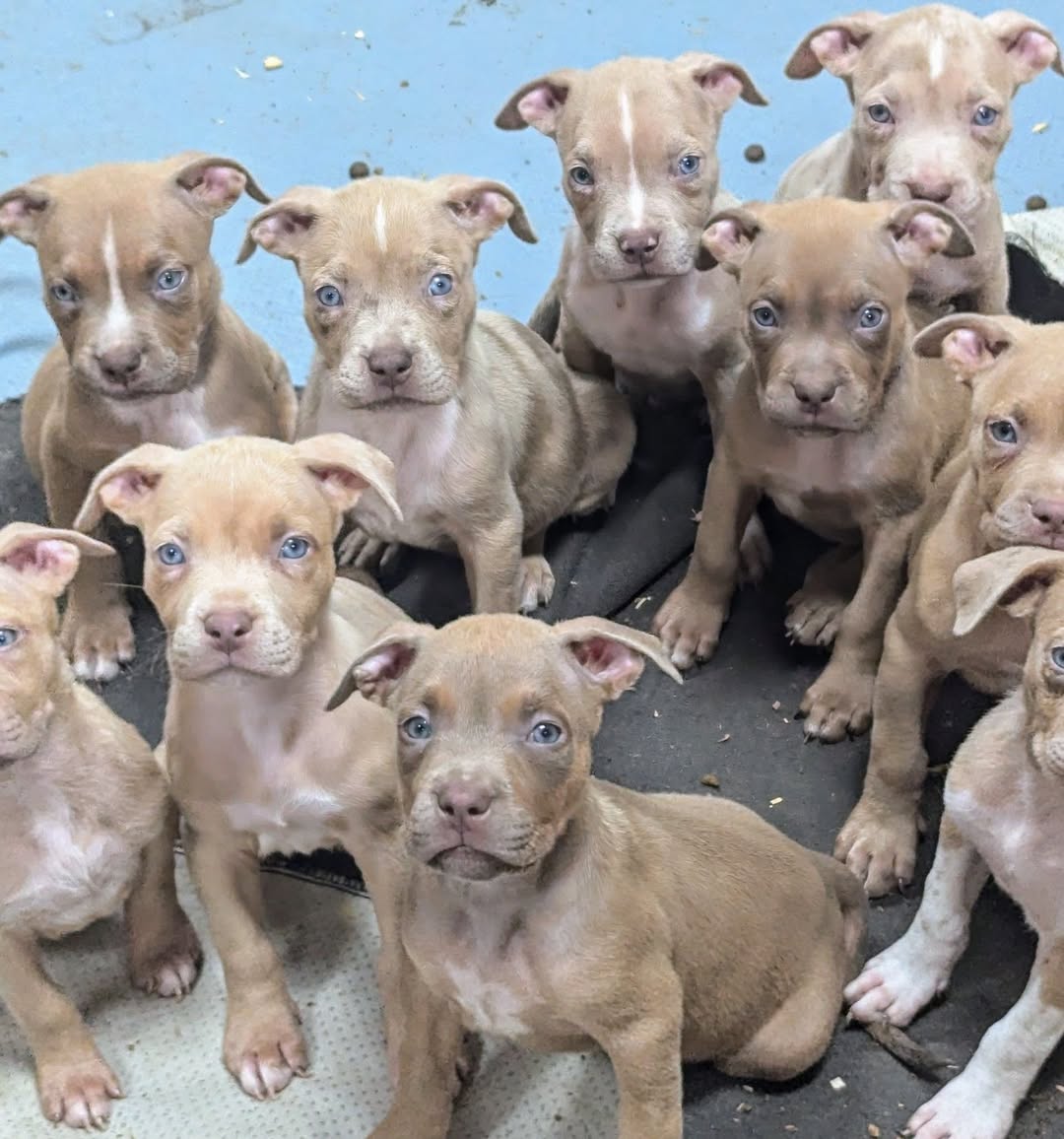
A standout female can define a breeding program for years. Brazilian Bull breeding females are not selected simply for size, color, or a striking headpiece. They are chosen for the complete package: structural quality, stable temperament, pedigree strength, health planning, maternal ability, and the ability to complement a planned sire without compromising the next generation.
For a developing breed program in the United States, that level of selection matters even more. The Brazilian Bull is separate from the XL American Bully, with its own background, look, and breeding direction. At Showtime Bullies, Brazilian Bulls are the forward-facing focus, built from imported Brazilian dogs and carefully considered pairings, while the XL American Bully program remains an established part of the kennel’s history.
Why Brazilian Bull Breeding Females Matter So Much
A stud may draw attention, but the female carries the daily work of producing and raising a litter. Her influence reaches beyond genetics. Her condition during pregnancy, instinct with puppies, recovery after whelping, and behavior around people all affect the early foundation of each puppy.
That is why a serious breeding female must be evaluated as more than a future mother. She should represent the direction the breeder wants to take – powerful but balanced, impressive without sacrificing functional movement, and confident without being unstable or difficult to manage.
The right female also gives a breeding program options. A dog with a strong pedigree, sound structure, and a clear understanding of her strengths can be paired strategically rather than repeatedly bred to whatever male is available. Good programs are built through intentional combinations, not convenient ones.
Structure Comes Before the Camera
Brazilian Bulls are visual dogs. Strong bone, muscle, width, substance, and presence are part of the appeal. Still, a breeding female should not be selected on a stacked photo alone. Structure determines how a dog moves, carries weight, handles pregnancy, and holds up over time.
Breeders should look closely at overall balance. The front and rear should work together, the topline should be evaluated in motion as well as at rest, and the dog should have a sound base beneath the power she carries. Feet, pasterns, shoulder placement, rear angulation, and natural movement deserve attention because these details can be passed forward.
There is always a trade-off to consider. Extreme width, excessive mass, or an exaggerated feature may create an eye-catching outline, but breeding decisions should protect function. The goal is not to chase a single fashionable trait. It is to produce Brazilian Bulls with the powerful, substantial look people appreciate while preserving athletic, manageable dogs that can live comfortably as companions.
A Female Should Complement the Sire
No breeding female is expected to be perfect. The real question is whether she can be matched intelligently. If a female is exceptional in front assembly and type but needs more rear support, a breeder should seek a male that improves that area without introducing a new weakness.
This requires honest evaluation. Pairing two dogs with the same flaw does not usually correct it. It can make the flaw more consistent in the litter. Pedigree knowledge, direct observation, and a clear record of what prior relatives have produced help make a pairing more than a guess.
Temperament Is Part of Breed Quality
A Brazilian Bull should have presence, confidence, and loyalty. Those qualities do not require unnecessary aggression or poor control. For families, breeders, and handlers, a stable dog is easier to live with, train, travel with, and safely introduce to new situations.
Female temperament is especially meaningful because puppies spend their earliest weeks learning from their mother. A calm, attentive dam can help create a steady environment during a critical developmental period. Temperament is influenced by genetics and by raising practices, so neither side should be ignored.
A serious breeder evaluates how a female responds to handling, familiar people, visitors, other dogs, and normal kennel activity. Confidence is not the same as reactivity. A dog that is difficult to control or unable to settle should not be treated as a breeding asset just because she has color, size, or a popular bloodline.
Pedigree Is Context, Not a Shortcut
Imported Brazilian bloodlines can bring valuable depth to a Brazilian Bull program in the United States. They can also create a need for better research. A pedigree should tell a breeder where a dog comes from, what traits may be behind her, and how closely related a proposed pairing may be. It should not be used as a substitute for evaluating the actual dog.
When reviewing Brazilian Bull breeding females, ask for clear information about lineage, registration where applicable, the dog’s breeding role, and any available health documentation. Transparency helps buyers and fellow breeders understand what they are considering. It also creates accountability for the breeding program.
Bloodline reputation may be a starting point, but individual dogs still matter. Two females from the same family can have very different structure, drive, maturity, and suitability for a particular stud. The strongest decisions combine documented lineage with a close, honest assessment of the female in front of you.
Health Planning Is a Long-Term Responsibility
Health cannot be reduced to one test, one vet visit, or one statement on a sales page. Responsible breeding requires an ongoing plan based on veterinary guidance, appropriate screening for the individual dog and breed considerations, sound body condition, reproductive management, and realistic recovery time between litters.
A female should be mature enough physically and mentally before breeding is considered. Her weight, conditioning, mobility, appetite, skin and coat condition, and reproductive health all deserve attention before, during, and after a litter. Pregnancy and raising puppies place real demands on a dog, particularly one with substantial size and muscle.
Buyers should also understand that health documentation can vary based on the dog, age, registry, and tests completed. Clear records are more useful than broad promises. A breeder should communicate what is known, what has been evaluated, and what questions a buyer should continue to ask.
Raising the Litter Starts Before Birth
The quality of Brazilian Bull breeding females shows up in the whelping area as much as in the pedigree. Clean preparation, close monitoring, appropriate nutrition, and a calm environment support both the dam and her puppies. From the first days, puppies need warmth, regular observation, and careful handling that fits their stage of development.
As puppies grow, responsible breeders watch for more than weight gain and color. They observe confidence, response to people, play style, energy level, and physical development. This information helps with thoughtful placement. A bold, high-energy puppy may thrive with an experienced owner who wants an active companion, while another puppy may fit better with a family seeking a more relaxed household dog.
Responsible placement is not a minor detail after the litter arrives. It is part of the breeding decision from the beginning. Families should understand the commitment involved in owning a large, muscular breed-type dog: training, boundaries, socialization, veterinary care, exercise, secure containment, and daily interaction all matter.
Brazilian Bulls and XL American Bullies Are Different Programs
Showtime Bullies has experience with both Brazilian Bulls and XL American Bullies, but they should never be presented as interchangeable. The XL American Bully program reflects an established foundation of recognized bloodlines, breeding experience, proven studs, and family-raised puppies. The Brazilian Bull program is being developed with a separate vision centered on imported Brazilian dogs, selected pedigrees, and planned growth in the United States.
For buyers and breeders, the distinction matters. A person seeking a Brazilian Bull should ask Brazilian Bull-specific questions about lineage, type, development, and the goals behind the pairing. Someone interested in an XL American Bully should receive equally clear information about that separate program. Accurate breed identification protects expectations and supports responsible ownership.
Questions Worth Asking Before Choosing a Female
Whether you are considering a breeding prospect, a co-own opportunity, or a puppy from a planned litter, direct questions lead to better decisions. Ask how the female was selected, what strengths the breeder expects her to pass on, why a particular sire was chosen, and what documentation is available. Ask about temperament, daily management, puppy raising practices, and the expected timeline for placement.
Price and availability are practical questions, too. A responsible breeder should explain what is included, when puppies may go home, what records will be provided, and how the purchase process works. Clear communication is not an extra. It is part of treating both the dogs and future owners with respect.
The best breeding females do more than produce puppies that look impressive at eight weeks. They give a program a dependable foundation for stronger decisions, better homes, and Brazilian Bulls that carry their presence with soundness and purpose.