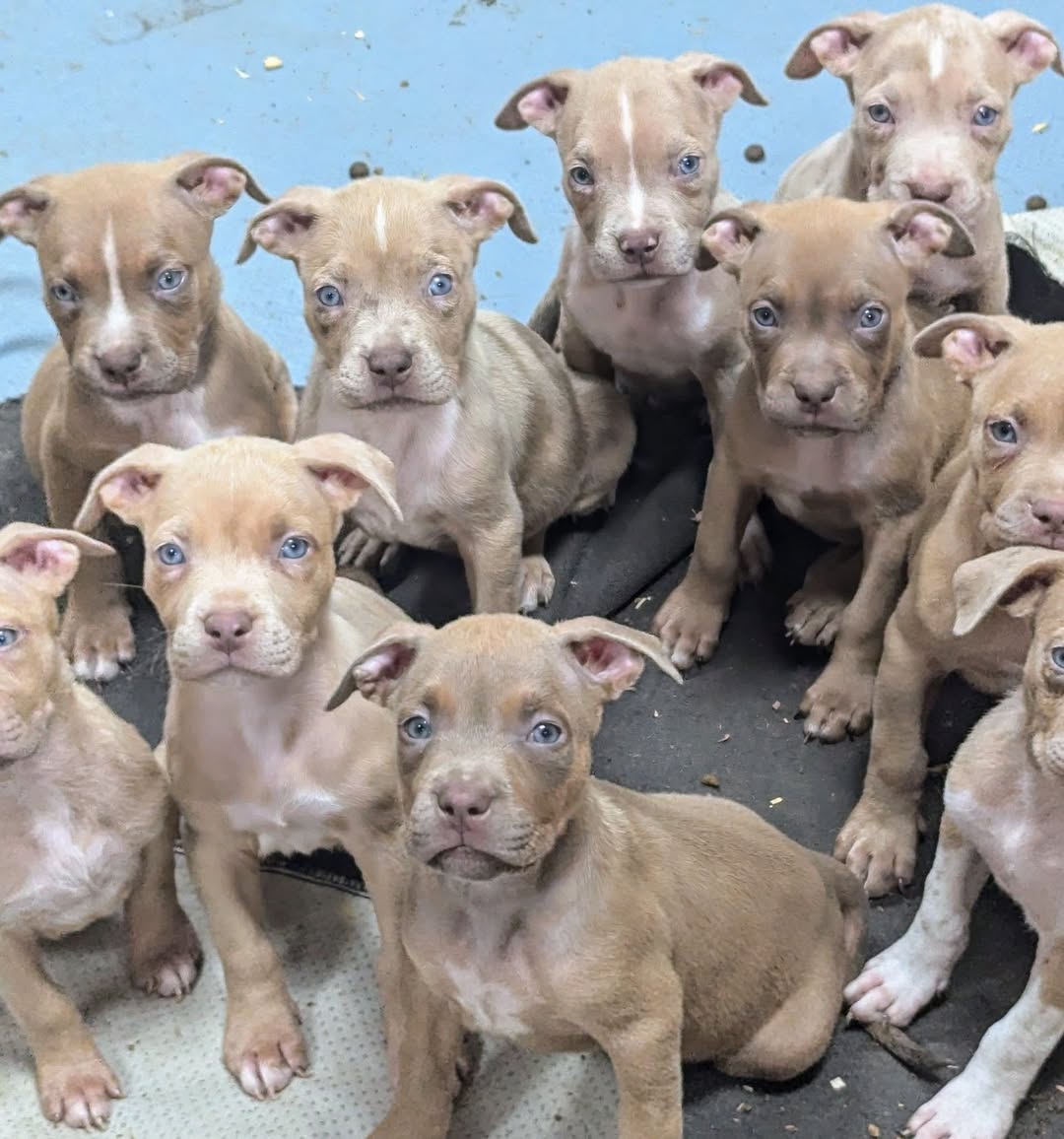
A blue tri bully puppy turns heads long before it reaches full size. The blue coat, crisp tan points, and white markings create a high-contrast look that stands out in any litter. But color is only the first impression. The right puppy should also bring the broad frame, clean movement, stable nerves, and affectionate personality that make a well-bred American Bully a serious family companion.
For buyers drawn to the blue tri look, the goal should never be to choose color over quality. A puppy can be rare in appearance and still need the fundamentals: proven bloodlines, responsible health screening, age-appropriate vaccinations, early socialization, and a breeder who can clearly explain what is behind the dog. When those pieces come together, you are not simply bringing home a flashy puppy. You are bringing home a loyal, muscular companion built to make an impression for years.
What Makes a Blue Tri Bully Puppy Different?
“Blue tri” describes a coat pattern, not a separate breed or a guarantee of size. Blue is a diluted black pigment that gives the coat a cool gray or slate appearance. Tri refers to the three-color pattern: blue as the base, tan or copper points, and white markings that may appear on the chest, face, feet, or neck.
No two blue tris look exactly alike. Some puppies carry a deep steel-blue coat with sharp tan eyebrows and cheek points. Others have a softer silver-gray shade, wider white blazes, or more dramatic facial markings. That visual variety is part of the appeal, especially when the puppy also has a thick head, wide chest, heavy bone, and correct American Bully proportions.
Still, coat color can change as a puppy matures. Blue coats may lighten, darken, or develop more depth after the puppy coat sheds. Tan points can become richer with age, and white markings become easier to see as the body grows. A professional breeder can show you the parents and older offspring from similar pairings, giving you a more realistic picture of how a puppy may develop.
Structure Matters More Than a Rare Color
A striking blue tri should still look like an American Bully first. For XL and XXL buyers, that means looking beyond a cute face or a heavy-colored pedigree photo. Strong structure supports the powerful, athletic appearance that this breed is known for while helping the dog move comfortably as it grows.
Start with balance. A quality puppy should have a broad, confident look without appearing weak in the rear, overly loose in the feet, or exaggerated through the front. You want good bone, a level topline, a wide chest developing naturally, and movement that is smooth rather than stiff or labored. Puppies grow in stages, so they will not look perfectly proportioned every week. What matters is the underlying build and the consistency of the bloodline behind them.
Head shape is another major draw for bully enthusiasts. A large, defined head and strong muzzle can be impressive, but the goal is a clean, functional look. Extreme features are not a substitute for quality. The best puppies combine presence with soundness – massive enough to command attention, built correctly enough to enjoy an active family life.
Size Is Influenced by More Than the Parents
Buyers often ask whether a blue tri puppy will become XL or XXL. Parent size is a valuable clue, but it is not the entire answer. Genetics from grandparents and littermates, sex, nutrition, exercise, and overall development all influence adult size. A breeder should be comfortable discussing the sire and dam’s height, build, weights, and the size trends seen in previous litters.
Be cautious with anyone promising an exact adult weight from an eight-week-old puppy. Responsible breeders can offer an educated expectation based on pedigree and production history, but living dogs do not grow from a spreadsheet. The better question is whether the puppy comes from a program consistently producing the kind of large, correct, muscular bullies you want.
Temperament Is the Trait Your Family Lives With
The American Bully’s visual power is a major part of its appeal. Its ability to settle beside your family, greet trusted guests appropriately, and bond deeply with its people is what makes ownership rewarding. A blue tri bully puppy should be curious, confident, social, and responsive to human handling.
Early socialization makes a real difference. Puppies raised around normal household activity, respectful children, different surfaces, routine handling, and positive interactions have a stronger foundation when they enter a new home. That does not mean a puppy arrives fully trained. Housebreaking, leash work, crate training, boundaries, and continued exposure are the new owner’s responsibility. It does mean the puppy has been given a meaningful head start.
Every puppy has an individual personality. One may be outgoing and eager to investigate every sound. Another may be calmer, more observant, and happiest close to its people. Families with young children often appreciate a puppy with a steady, people-focused nature, while experienced owners may prefer a more driven prospect for training or future breeding goals. Tell the breeder about your household honestly so they can help match you with a puppy rather than simply selling you the first available color.
Questions to Ask Before Reserving a Blue Tri Puppy
Premium color should come with premium transparency. Before placing a deposit, ask to see registration information, pedigree details, and health records appropriate to the puppy’s age. You should understand whether the puppy is registered or eligible for registration through organizations such as ABKC or UKC, what vaccinations and deworming have been completed, and when the puppy is ready to leave.
It is also smart to ask about the parents’ temperaments and any health testing performed in the breeding program. Responsible breeding is not only about producing color. It is about selecting dogs with dependable structure, sound character, and genetics worth carrying forward. A breeder should be able to explain the strengths of the pairing instead of relying on vague claims about rarity.
For serious breeders, the conversation goes deeper. Ask about color genetics, pedigree depth, prior production, registration status, and whether the dog carries traits relevant to your own program. Blue tri genetics can be valuable, but they should complement a complete breeding plan that prioritizes health, structure, temperament, and breed type.
Preparing Your Home for a Big Personality
An XL American Bully puppy may be small enough to nap in your lap at pickup, but it can grow quickly. Set expectations early. Choose a properly sized crate, establish feeding routines, puppy-proof high-traffic areas, and begin positive training from day one. Consistency is what turns a powerful adult dog into a polite companion.
Nutrition deserves attention as well. Large, muscular puppies need a quality diet and measured feeding plan that supports controlled growth. Overfeeding does not create better structure. It can add unnecessary stress to developing joints and make a young dog too heavy too fast. Your veterinarian and breeder can help guide feeding based on the puppy’s age, body condition, and projected size.
Exercise should be purposeful, not excessive. Young puppies benefit from short play sessions, basic obedience, gentle walks appropriate for their age, and plenty of rest. Avoid forcing long runs, repetitive jumping, or intense impact activity while growth plates are developing. A well-raised bully should build confidence and muscle over time, not be pushed to look mature before its body is ready.
Choosing a Puppy With Real Staying Power
The best blue tri puppies offer more than an eye-catching coat for social media. They carry themselves with confidence, come from a program with standards, and have the temperament to become part of the family. At Showtime Bullies, that standard means pairing standout color with the massive structure, pedigree depth, and people-loving nature buyers expect from a premium American Bully.
When you evaluate a litter, look at the whole dog and the whole program. The blue tri pattern may be what catches your eye, but correct structure, documented care, stable temperament, and continued owner commitment are what make the decision worth it. Choose the puppy you will be proud to live with at every stage, from the first crate-training night to the moment that grown bully fills the room with unmistakable presence.