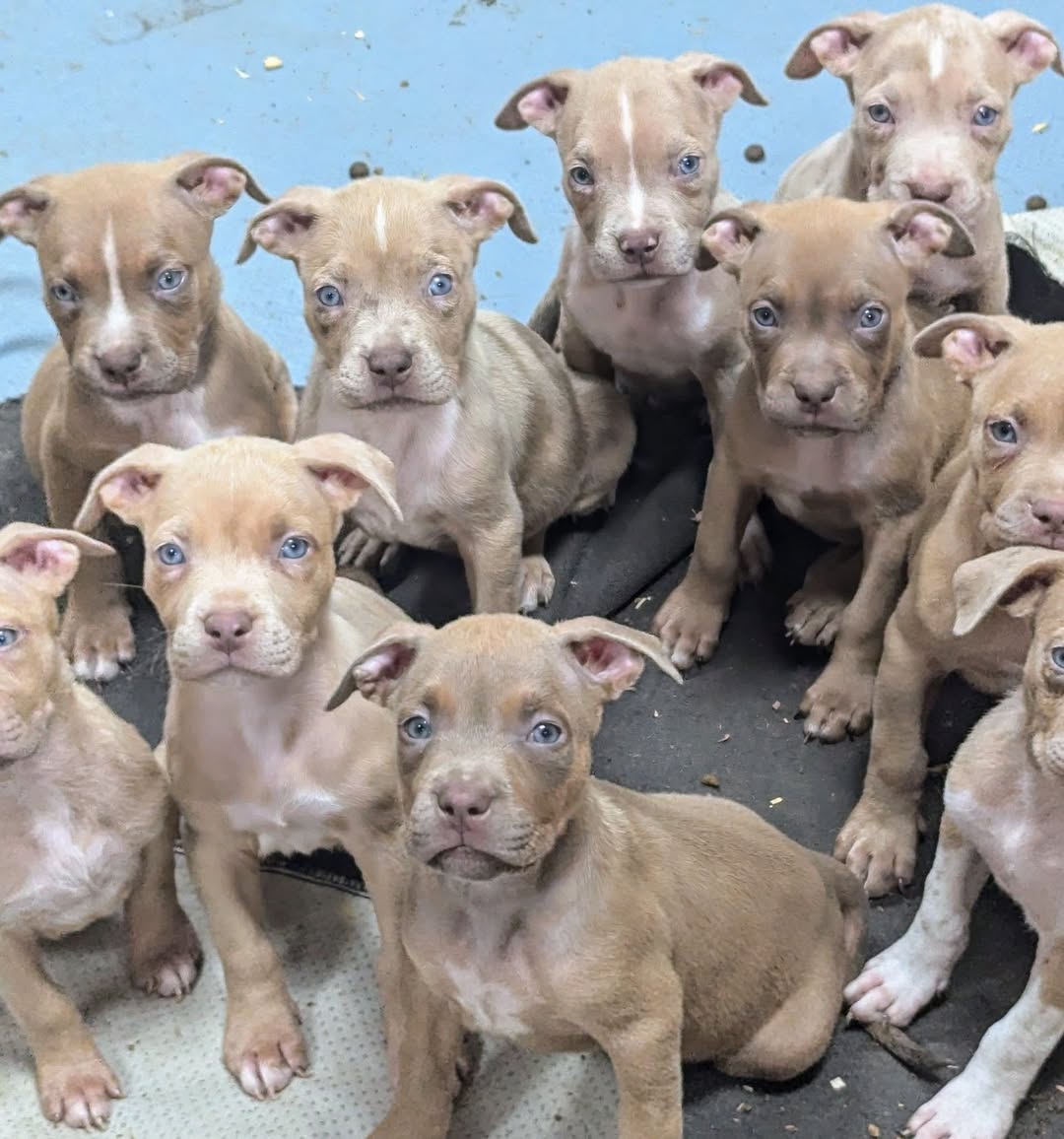
A wide head, substantial bone, a clean topline, and a steady family temperament do not happen by accident. American Bully genetics influence the traits buyers see first, but they also affect the traits that matter long after puppy pickup: movement, resilience, trainability, health considerations, and overall quality of life. Understanding the difference helps families ask better questions and helps serious breeders make more disciplined decisions.
American Bully Genetics Are More Than a Pedigree
A pedigree records lineage. Genetics are the inherited material behind that lineage. The two are connected, but they are not interchangeable. A dog can come from recognizable bloodlines and still vary from its relatives in structure, drive, size, color, or health profile.
Many of the traits people associate with the XL American Bully are influenced by multiple genes rather than one simple genetic switch. Height, head shape, chest width, bone, rear assembly, muscle expression, and movement are complex traits. A breeder cannot look at a pedigree alone and guarantee how every puppy will mature.
That is why responsible pairing starts with evaluating the individual dogs in front of you. A quality breeding decision considers each dog’s structure, temperament, pedigree depth, health information, and the strengths or weaknesses that may be passed to a litter. The goal is not to chase one exaggerated feature. It is to produce dogs that look powerful while remaining balanced, functional, and manageable in a family setting.
Type Is Built Over Generations
Consistency is one of the clearest signs of a thoughtfully developed program. When related dogs repeatedly show correct proportions, stable temperaments, and recognizable breed type, it reflects generations of selection rather than a single successful pairing.
Still, genetics always involve variation. Even well-planned litters can include puppies that mature differently from one another. One may carry more bone, another may have a more athletic outline, and another may take longer to develop its adult head and chest. Buyers should be cautious of anyone who presents a young puppy as a finished adult dog. A puppy’s pedigree and early structure provide useful information, but maturity takes time.
Structure: What Responsible Breeders Evaluate
Strong structure is not simply a visual preference. It affects how a dog stands, moves, plays, and carries its body throughout life. In an XL American Bully, size and mass should be supported by sound proportions, solid feet, appropriate angles, and a body that can move with control.
A breeder studying a potential pairing looks beyond the most dramatic features. Front assembly, shoulder placement, topline, chest development, hip and rear structure, bite, and overall balance all deserve attention. Two dogs with impressive heads may not be the right match if they share the same structural weakness.
Size also requires perspective. Genetics can influence height, bone, and body mass, but nutrition, conditioning, age, and sex affect the final picture as well. Overfeeding a growing puppy does not create better genetics. It can place unnecessary stress on developing joints and disguise a puppy’s natural condition.
For families, this means choosing an XL American Bully should include an honest conversation about space, training, exercise, and handling. A substantial dog needs a home prepared to guide it properly, not just admire its appearance.
Temperament Is Inherited and Developed
The right American Bully temperament is confident, stable, people-oriented, and responsive to direction. Genetics contribute to a dog’s baseline disposition, including sensitivity, sociability, energy level, and recovery from new situations. But inherited potential is only part of the equation.
Early handling, exposure to normal household activity, appropriate boundaries, and consistent training shape how that potential develops. A puppy raised with care still needs an owner who continues the work after pickup. Socialization is not a one-time event, and a good temperament does not mean a dog should be left without structure or supervision.
Breeding dogs should be evaluated for more than how they look in a stack or photo. Their behavior around people, their ability to settle, their confidence in unfamiliar settings, and their response to everyday handling all matter. Selecting for sound temperament protects the family side of the breed while preserving the bold, loyal presence enthusiasts value.
Health Information Belongs in Every Breeding Conversation
No breeder can promise that a living animal will never experience a health issue. What responsible breeders can do is use available health information, avoid careless pairings, maintain transparent records, and make choices that reduce known risks where possible.
Health evaluation may include veterinary records, family history, genetic testing when relevant, and screening appropriate to the dogs and lines being used. The useful question is not whether a breeder claims a dog is perfect. It is whether they can clearly explain what information they have, what they evaluate, and how they use that information in breeding decisions.
Pedigree research is valuable here because it provides context. A pedigree can reveal repeated ancestors, line-breeding patterns, established traits, and areas requiring closer attention. It should be read as a tool for informed planning, not as a substitute for evaluating the actual sire and dam.
Buyers should also understand that a puppy’s long-term health is shared responsibility. Proper feeding, a healthy growth rate, routine veterinary care, training, secure containment, and sensible exercise all influence the adult dog that puppy becomes.
Color Genetics Should Never Lead the Program
Color is often one of the first traits a buyer notices, and it can be a legitimate preference. American Bully coat color is inherited, with genes influencing pigment, pattern, dilution, and markings. However, color should remain behind health, temperament, and structure when breeding decisions are made.
A rare-looking color does not automatically indicate higher quality, stronger genetics, or better suitability for breeding. Focusing too narrowly on color can cause breeders to overlook more meaningful questions about soundness and temperament. The strongest programs use color as one part of a complete picture, not the foundation of the picture.
For buyers, choosing the dog that fits your home is more important than choosing the color that attracts the most attention online. The right puppy should have appropriate placement based on its temperament, expected size, activity level, and the experience of the household.
XL American Bullies and Brazilian Bulls Are Separate Programs
Showtime Bullies maintains an established XL American Bully program built on years of experience with documented bloodlines, planned pairings, breeding females, and proven studs. American Bully genetics should be understood within that breed’s own history, type, and breeding goals.
Brazilian Bulls are separate from XL American Bullies and should never be described as the same breed. The Brazilian Bull program represents the kennel’s future-facing focus, developed from imported Brazilian dogs and selected bloodlines intended to build a strong presence in the United States. Their pedigrees, breed identity, and breeding decisions require breed-specific evaluation.
This distinction matters for anyone researching a puppy, a stud service, or a breeding prospect. Ask which breed a dog belongs to, request clear pedigree and registration information, and make sure the program’s goals match the dog you are considering. Transparent documentation helps prevent confusion and allows buyers and breeders to make decisions with confidence.
What to Ask Before Reserving a Puppy
A responsible buyer does not need to be a geneticist, but they should be comfortable asking direct questions. Ask about the sire and dam’s pedigree, adult size and temperament, available health information, registration, the puppy’s raising environment, and how the breeder approaches placement.
It is also reasonable to ask what the breeder expects from the pairing. A clear answer may address structure, temperament, bloodline compatibility, or the purpose behind retaining certain traits. Be wary of vague promises about guaranteed size, color, or adult appearance. Honest breeders explain both the potential and the natural variation within a litter.
The best time to discuss training expectations, pickup timing, feeding guidance, and ownership responsibilities is before a puppy comes home. An informed match benefits the dog, the family, and the reputation of the breeding program.
A well-bred American Bully should be appreciated as a complete dog, not a collection of headline traits. Take the time to review the pedigree, meet the program’s standards with clear questions, and choose a puppy whose expected temperament and needs fit the life you can provide.