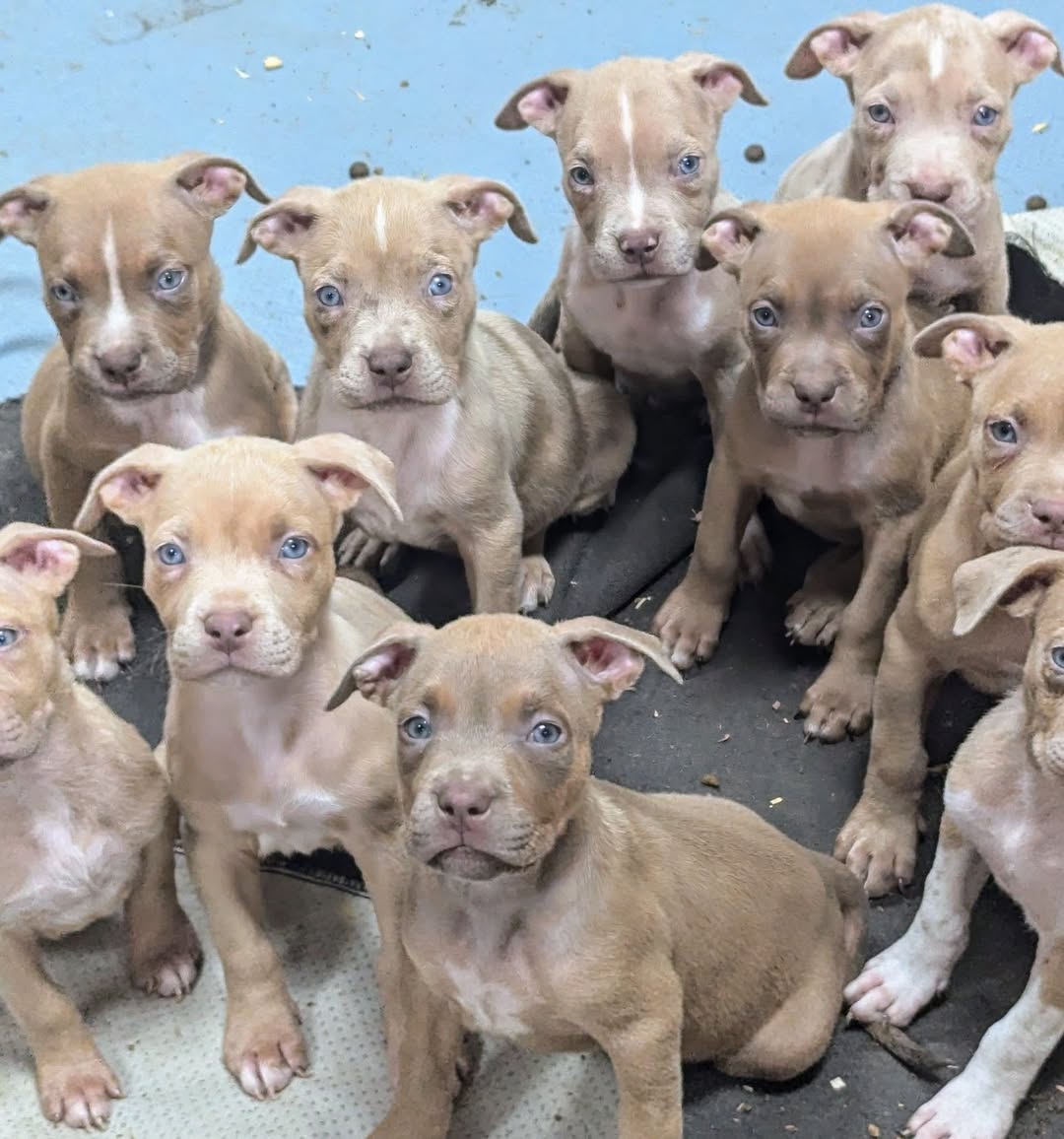
A powerful XL Bully should turn heads for the right reasons: wide chest, clean movement, heavy bone, a confident expression, and a temperament that settles comfortably beside the family. The strongest XL Bully breeding trends are no longer just about producing the biggest dog or chasing the rarest color. Serious programs are putting more attention on health-tested pairings, predictable structure, stable character, and pedigrees that can consistently deliver quality.
For buyers, that shift matters. A puppy may be eye-catching at eight weeks, but the real value of a well-bred American Bully shows up as the dog matures: sound joints, manageable energy, solid nerves, a family-friendly nature, and the physical presence the breed is known for.
XL Bully Breeding Trends: More Purpose, Less Guesswork
The XL Bully market has matured. Early demand often centered on extreme size, huge heads, massive frames, and colors that stood apart from the crowd. Those traits still matter to enthusiasts, but experienced breeders understand that one feature cannot carry a breeding program.
A dog can be enormous and still lack balance. It can have a rare coat color and still fall short in movement, health, or temperament. The better trend is purposeful selection – pairing dogs whose strengths complement each other while avoiding combinations that amplify weaknesses.
That means evaluating the whole dog. Breeders are looking beyond a single photo or a social media clip and paying closer attention to topline, rear angulation, chest development, feet, shoulder placement, muzzle proportions, movement, and overall athletic capability. For a large, muscular companion breed, correct structure is not a cosmetic extra. It supports comfort, mobility, and quality of life as the dog grows.
Bigger Still Matters, But Balance Comes First
XL and XXL American Bullies are built to make an impression. Buyers want the thick bone, broad shoulders, heavy muscle, and oversized presence that separate these dogs from the average pet. There is nothing wrong with wanting a powerhouse dog, provided the pursuit of size does not come at the expense of functional structure.
The most respected programs are moving away from breeding simply for height or weight. Instead, they aim for dogs that look massive because their proportions work together. A broad chest should not restrict movement. Heavy bone should be supported by solid feet and strong pasterns. A large head should still be matched with a well-developed muzzle and easy breathing.
This is where pedigree knowledge becomes valuable. Established bloodlines can offer greater predictability when breeders understand what certain dogs consistently produce. Lines associated with bully type, muscle, drive, or family temperament can be blended carefully, but no pedigree label replaces hands-on evaluation of the individual dog in front of you.
Structure Is a Long-Term Investment
A puppy’s early build offers clues, but it is not the finished picture. Responsible breeders study how their dogs mature over time and use that information when planning future litters. They also pay attention to the adults behind the puppy, not only the sire’s best photo or the dam’s color.
For families, a structurally sound dog is easier to live with. For breeders, it protects the reputation of the program. For both, it is a smarter standard than chasing exaggerated features that may not age well.
Temperament Has Become a Premium Trait
The XL Bully should be bold without being unstable, affectionate without being frantic, and protective of its family without being difficult to manage. As more people look for dogs that can live around children, visitors, other pets, and busy homes, temperament has become one of the biggest indicators of breeding quality.
A stable temperament starts with the parents. It is then shaped by the puppy’s early environment, social exposure, handling, routine, and transition into its new home. Genetics matter, but so does the work done between birth and pickup day.
The best breeders are placing greater value on dogs that are confident, people-oriented, responsive, and capable of settling. A loud, overreactive dog may attract attention online, but it is not the goal for a family companion. An impressive XL Bully should have presence without needing to create chaos.
Early socialization should be thoughtful rather than reckless. Puppies benefit from regular human contact, gentle exposure to normal household sounds, clean routines, age-appropriate play, and positive handling. This foundation helps new owners build on good habits once their puppy goes home.
Health Screening Is Raising the Standard
Health-focused breeding is one of the most meaningful XL Bully breeding trends because it protects both the dogs and the people investing in them. Large, heavy breeds deserve careful planning around issues that can affect mobility, comfort, and long-term wellness.
A responsible program should use appropriate health screening and keep accurate records. Breeders should also be direct about what health testing can and cannot guarantee. Screening lowers risk and helps guide better pairing decisions, but no breeder can promise that every living animal will face zero health concerns throughout life.
That honesty matters. Buyers should be cautious of anyone who leads only with color, size, or price while avoiding conversations about the parents’ health, temperament, age, and condition. A premium puppy should come from a program that takes breeding decisions seriously, provides proper veterinary care, stays current on vaccinations and deworming, and maintains registration records when applicable.
Color Is Still Powerful, But It Should Not Lead Every Decision
Lilac tri, merle, blue, champagne, and other standout colors remain a major part of the XL Bully market. A unique color pattern can make a puppy unforgettable, and there is strong demand for dogs that carry visual distinction along with elite structure.
The trend worth watching is not the disappearance of color breeding. It is the move toward using color as part of a complete plan. The best outcome is a dog with a striking coat, heavy build, clean movement, a strong pedigree, and the calm, loyal personality families want.
Color-only breeding can create inconsistency when the breeder chooses mates based on appearance alone. Serious programs protect their standards by making sure color selection does not override health, type, temperament, or structure. A rare puppy may command attention, but a well-rounded dog earns long-term respect.
Stud Selection Is Becoming More Strategic
For breeders, access to a recognized stud is about more than a famous name. A proven male should bring identifiable strengths to a pairing: a strong headpiece, bone, chest, rear, movement, color genetics, or a reliable temperament. Just as important, he should complement the female rather than simply duplicate her strengths and weaknesses.
The same principle applies to breeding females. Top females are the engine of a serious kennel. They contribute genetics, mothering ability, temperament, structure, and consistency across a program. Breeders who invest in quality females and select studs with intention usually build more reliable litters than those chasing whatever name is trending that month.
A smart breeding plan also considers the buyer. Will the litter produce family companions with manageable temperaments? Is it designed for show-quality structure? Does it offer the color, size, and pedigree serious enthusiasts are looking for? Clear goals create better decisions before the puppies are ever born.
What Buyers Should Expect From a Quality Breeder
A premium XL Bully puppy should come with more than a dramatic photo and a deposit request. Buyers deserve to understand the pedigree, the parents’ traits, the puppy’s care routine, registration status, vaccination schedule, and pickup expectations.
They should also expect realistic communication. No puppy can be perfectly predicted, especially when it comes to adult size, final color development, or future show potential. A credible breeder explains the likely outcome based on the parents and prior productions without making promises that genetics cannot support.
Before committing, families should consider their own home honestly. An XL Bully needs space, training, exercise, socialization, and an owner who can confidently manage a powerful dog. Local ordinances, housing rules, insurance policies, and travel restrictions may also affect ownership, so those details should be checked before bringing a puppy home.
Showtime Bullies believes the future belongs to programs that produce more than size and color. The goal is a complete American Bully: muscular, memorable, registered, properly raised, and steady enough to be a true part of the family. When breeders pair elite genetics with discipline and buyers choose with patience, the result is a dog built to stand proud for years, not just impress for a moment.