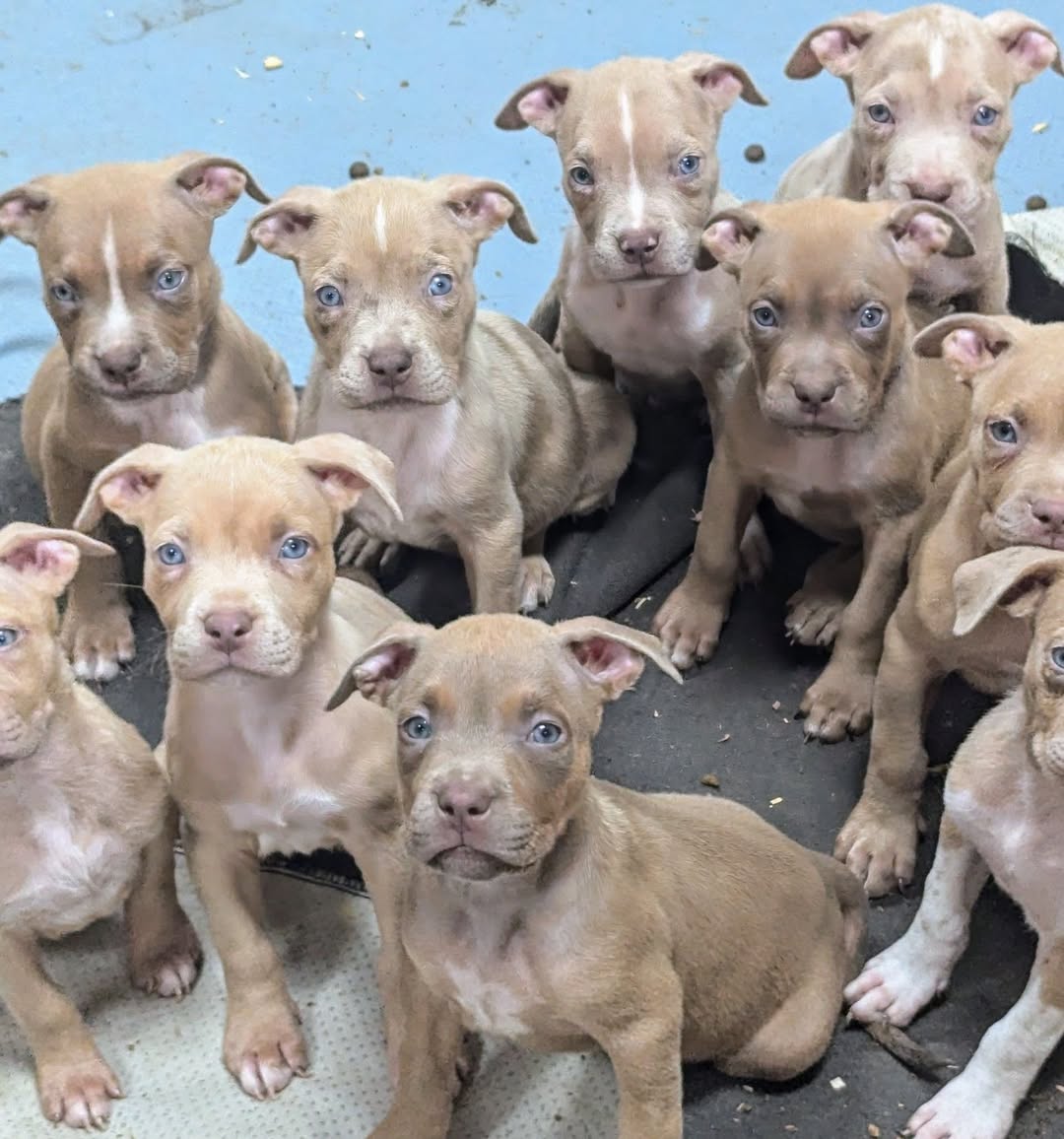
A powerful, well-built bully puppy gets attention before they ever understand what that attention means. That is exactly why knowing when to start bully training matters. The right answer is not “when they get bigger” or “after they settle down.” Training begins the day a puppy comes home, with calm routines, clear boundaries, and positive experiences that shape how they move through the world.
For Brazilian Bulls and XL American Bullies, early guidance is not about making a puppy look tough or demanding perfect obedience at a young age. It is about building confidence, responsiveness, and household manners before size and strength magnify every habit. Brazilian Bulls and XL American Bullies are separate breeds and should be understood as such, but both benefit from patient, consistent early training.
When to Start Bully Training: Start at Home
Most puppies are ready to begin learning from their first day in a new home. Even before formal commands are introduced, your puppy is studying the environment: where they sleep, where they potty, what earns attention, whether jumping works, and how people respond when they mouth, bark, or pull.
The first week should focus on settling in. Keep the schedule predictable. Take your puppy outside frequently, introduce a designated sleeping area, establish feeding times, and calmly reward the behavior you want repeated. Their name, a recall cue, and a marker word such as “yes” are excellent early lessons.
Short sessions work best. A young puppy may only be able to focus for one to three minutes at a time, especially in a new setting. Several successful mini-sessions throughout the day are far more valuable than one long session that ends in frustration.
Avoid waiting for behavior problems to appear. A puppy that is allowed to drag people on leash, rush through doors, climb on every visitor, or ignore their name is rehearsing those choices. What feels harmless at 10 weeks can become difficult to manage in a mature, muscular dog.
The First 8 to 16 Weeks Build the Foundation
The early puppy period is the best time to create positive associations with ordinary life. This does not mean exposing a puppy to every person, dog, store, and loud environment all at once. Good socialization is controlled, age-appropriate, and focused on quality rather than quantity.
Your puppy should gradually learn that people, surfaces, household sounds, car rides, grooming tools, and respectful dogs are normal parts of life. Keep every introduction safe and positive. If a puppy appears overwhelmed, increase distance, lower the intensity, and give them time to recover rather than forcing the interaction.
During this stage, teach practical skills that will matter for years:
- Responding to their name and coming when called
- Sitting before meals, doors, greetings, and leash attachment
- Walking beside you for short periods without constant tension
- Relaxing in a crate or designated resting space
- Accepting gentle handling of paws, ears, mouth, and body
- Trading toys or chews without conflict
Handling practice deserves special attention. A Brazilian Bull or XL American Bully should be comfortable being examined, brushed, bathed, and restrained appropriately when needed. Start with a few seconds of calm touch, pair it with praise or a food reward, and stop before the puppy becomes uncomfortable. This is useful at home, at the veterinarian, and anywhere your dog may need routine care.
Training a Brazilian Bull Puppy With Purpose
Showtime Bullies is developing its Brazilian Bull program around imported Brazilian dogs, selected bloodlines, structure, temperament, and thoughtful pairings. As this breed gains a stronger presence in the United States, owners should approach training with the same seriousness they bring to pedigree, health information, and long-term ownership.
A Brazilian Bull puppy should not be treated as a novelty because the breed is new to many American owners. The goal is a stable, well-managed adult dog that can live successfully within its home and community. Begin with manners that support that outcome: loose-leash walking, calm greetings, recall, place training, and neutrality around distractions.
Neutrality is often more useful than excitement. Your puppy does not need to greet every stranger or play with every dog. They should learn to look to you for direction, remain composed when the environment changes, and disengage when asked. That level of control protects the dog, the owner, and the breed’s reputation.
Because every puppy develops at an individual pace, adjust the training plan to the dog in front of you. A confident puppy may need help learning patience and impulse control. A more reserved puppy may need gradual confidence-building experiences without pressure. Training should develop the dog’s natural potential, not push them beyond what they can handle.
XL American Bully Training Still Starts Young
XL American Bullies remain an important part of Showtime Bullies’ established program and legacy. Their recognized bloodlines, proven studs, breeding females, and family-raised puppies reflect years of experience. Like Brazilian Bulls, XL American Bullies need early structure so their size, presence, and affectionate nature are paired with dependable behavior.
Do not confuse an easygoing puppy with a trained puppy. Many XL American Bully puppies are social and people-focused, which can make early life feel simple. But a puppy who is rewarded for launching into laps, leaning heavily into guests, or pulling toward every person may continue those behaviors as an adult.
Teach greetings on your terms. Ask for a sit before someone gives attention. Reward four paws on the floor. If the puppy becomes overly excited, calmly remove access to the person for a moment and try again. Consistency from every family member matters more than harsh corrections.
What Training Should Look Like After 4 Months
As your puppy grows, move from introducing skills to practicing them around distractions. A command learned in the living room is only the beginning. Gradually practice in the yard, on a quiet sidewalk, near traffic, around visitors, and in pet-friendly environments where the puppy can succeed.
This is also the time to strengthen leash skills. Large bully breeds can become difficult to control if pulling is allowed to become a habit. Use properly fitted equipment, reward the dog for staying near you, and stop moving forward when the leash is tight. Forward motion is valuable to a puppy, so it should be earned through a loose leash.
Continue crate training and place training as the dog matures. These skills are not punishments. They give your dog a clear place to settle when meals are being prepared, guests arrive, doors are open, or the household becomes busy. A dog that can switch off and relax is easier to live with than one that needs constant management.
Formal puppy classes can be valuable when they are run by an experienced trainer using humane, well-organized methods. Look for a class that prioritizes safe interaction, owner education, and controlled exposure rather than chaotic free-for-all play. For owners planning advanced obedience, protection sports, showing, or breeding, professional guidance can help create a thoughtful long-term plan.
Mistakes That Create Problems Later
The most common mistake is inconsistency. If jumping is allowed with one family member but punished by another, the puppy receives mixed information. If recall is only used when playtime ends, the puppy can learn that coming to you predicts something they dislike.
Another mistake is relying on correction before teaching the desired behavior. A puppy cannot reliably follow a rule they have never been shown. First, create the right setup, reward the correct choice, and repeat it until the behavior is familiar. Corrections, if used at all, should be fair, immediate, and appropriate to the dog and situation. Heavy-handed methods can damage trust and create avoidance, especially when used by an inexperienced owner.
Finally, do not mistake social media performance for real-world training. A puppy that can sit for a photo is not necessarily ready to remain calm at a veterinary appointment, walk through a crowded area, or settle quietly while visitors are present. Real training shows up in daily life.
Keep Training Relevant to the Adult Dog You Want
The strongest training plan is built around your future lifestyle. A family dog needs calm home manners, safe handling, and reliable recall. An enthusiast may want polished leash work and a confident public presence. A serious breeder should place equal value on temperament, structure, health documentation, pedigree, and the owner’s ability to responsibly develop the dog.
Start early, keep sessions clear, and raise expectations gradually. Your puppy does not need perfection in the first month. They need a handler who is patient enough to teach, consistent enough to follow through, and realistic enough to understand that every mature, impressive bully begins as a puppy learning one good decision at a time.