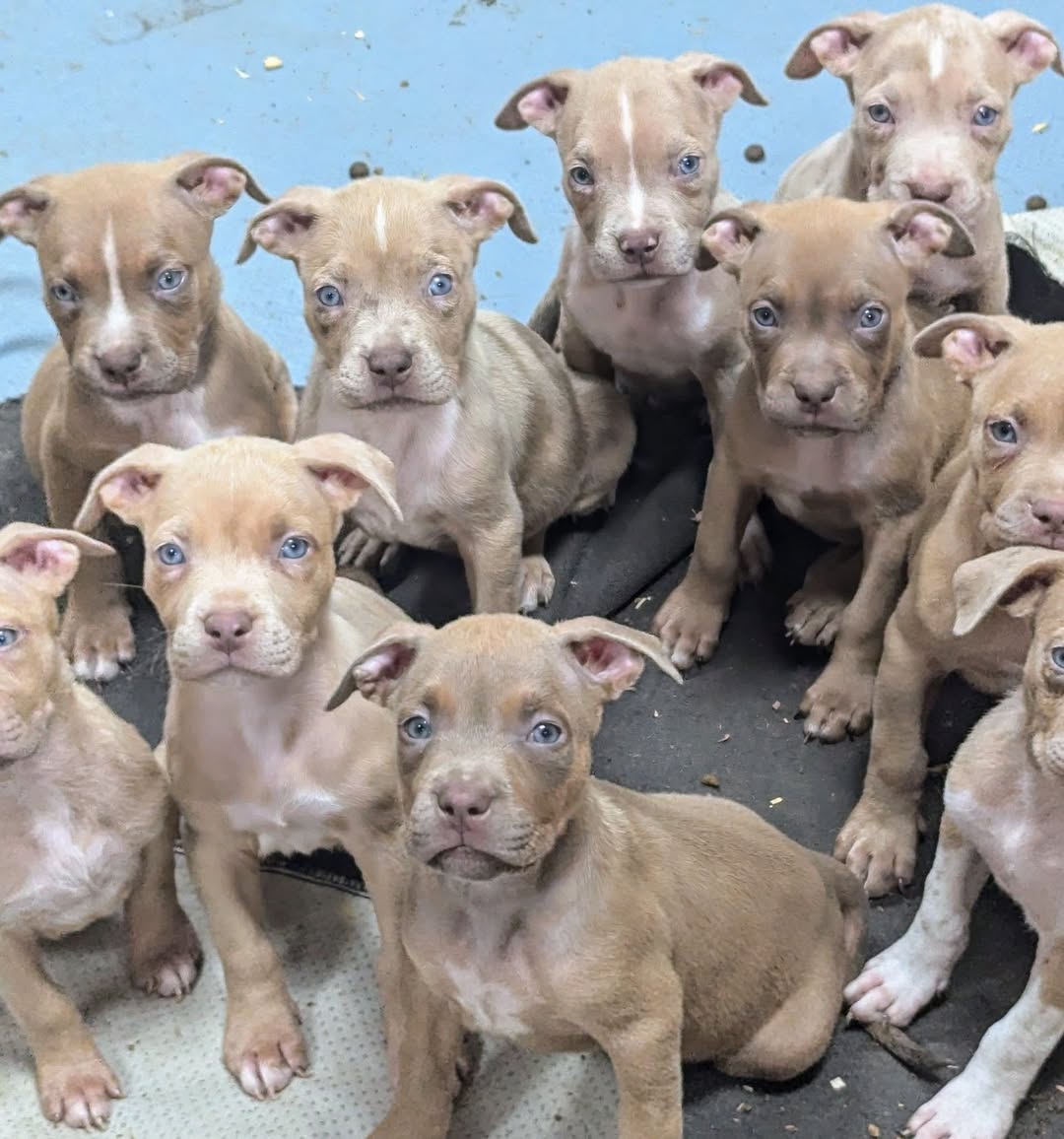
A powerful head, a wide chest, rare color, and serious size can catch attention fast. But registered bully breeding stock is not chosen on looks alone. The dogs behind a respected program must bring documented pedigree, correct structure, dependable temperament, and the health information needed to make smart decisions for the next generation.
For a family buying a companion, registration provides confidence that the dog comes from an established, traceable program. For a breeder, it is part of the operating foundation. A breeding dog without clear paperwork, verifiable lineage, and a sound overall profile can create problems that no impressive photo will solve.
What Registered Bully Breeding Stock Really Means
Registered breeding stock refers to American Bullies with recognized registration documentation and recorded pedigree information. In many serious bully programs, that means registration through organizations such as ABKC or UKC, depending on the dog, bloodline, and program goals.
Registration matters because it creates a record. It helps confirm parentage, supports accurate pedigrees, and gives future puppy buyers a clearer picture of where a dog comes from. It does not automatically make a dog breeding quality. A registered dog can still have weak structure, poor temperament, health concerns, or traits that should not be passed forward.
The right standard is higher: registration plus quality. Serious breeders evaluate the whole dog before considering a pairing. That includes its movement, muscle, bone, rear assembly, bite, breathing, skin and coat condition, behavior around people, and ability to contribute something valuable to the program.
Pedigree Is a Road Map, Not a Shortcut
A deep pedigree can be a major advantage when it is understood, not simply displayed. Recognized American Bully bloodlines may carry traits breeders seek, including width, head shape, heavy bone, athletic movement, family-friendly temperament, or a distinct look. Lines tied to Gotty, Razor’s Edge, and Greyline, for example, are often part of the conversation in established bully programs.
Still, a famous name in the pedigree should start the evaluation, not end it. Ask what the dogs in that lineage consistently produce. Do they hold their size and structure as adults? Are their temperaments stable in a home setting? Are there recurring issues that need to be carefully managed or avoided?
The strongest registered bully breeding stock is selected with a clear purpose. One dog may bring exceptional mass and chest width. Another may add cleaner movement, a more balanced rear, or a calm, people-focused personality. Pairings should complement each other rather than stack the same weakness twice.
Structure Protects the Program’s Future
XL and XXL American Bullies are built to make an impression, but bigger is not always better if that size compromises comfort, movement, or long-term soundness. A dog should carry its frame with balance. Front and rear assemblies should work together, feet should be strong, and movement should look controlled rather than labored.
A dramatic build is valuable only when it is functional. Breeders should watch adult dogs move on different surfaces, stand naturally, and recover after normal activity. Photos can highlight a dog’s best angle. Real structure shows up in everyday movement.
This is especially important when selecting a stud. A male may have extreme width, massive bone, and a standout head, but the decision should also account for what he reliably passes on. Proven production, not hype, is what turns a good-looking male into a valuable breeding asset.
Temperament Belongs in Every Breeding Decision
A premium American Bully should look commanding while remaining stable, affectionate, and manageable around its people. The breed’s best qualities include loyalty, confidence, and a strong connection with family. Those qualities matter just as much as color or size when choosing breeding stock.
Temperament should be evaluated in ordinary moments, not only when a dog is posed, excited, or guarded behind a kennel door. Watch how the dog responds to handling, visitors, children when appropriate and safely supervised, unfamiliar environments, and routine care. A dog that settles well, accepts direction, and engages confidently with people offers a stronger foundation than one that is merely intense or reactive.
Early socialization supports that foundation, but genetics also matter. Responsible breeders select dogs with the kind of steady disposition they would be proud to place in a family home. The goal is not to produce a dog that only looks elite. The goal is to produce a companion that can live well with the right owner for years.
Health Screening Is Part of Premium Selection
Health testing and routine veterinary care are not optional details in a serious breeding program. They are part of the responsibility that comes with producing dogs for families and future breeders. Before adding a male or female to a program, breeders should work with veterinary professionals and use appropriate screening based on the dog’s age, breed type, history, and planned role.
That may include orthopedic evaluation, cardiac assessment, genetic testing, reproductive evaluation, parasite control, and a review of any prior health concerns. No test can promise a perfect outcome. Genetics are complex, and every pairing involves judgment. But documented screening gives breeders more information and helps reduce avoidable risk.
Buyers should also ask how puppies are raised, vaccinated, dewormed, and socialized before they leave. A quality breeding program continues beyond the mating. It shows in prenatal care, clean living conditions, attentive handling, puppy development, and honest communication about each dog’s needs.
Color Should Add Value, Not Replace Quality
Lilac tri, merle, blue, champagne, and other eye-catching colors can make an American Bully unforgettable. For many buyers and breeders, color genetics are part of the vision. There is nothing wrong with wanting a dog that stands apart visually, provided color never becomes the only standard.
A rare-colored dog still needs proper structure, a stable temperament, documented registration, and a health-conscious background. The best programs produce dogs that are complete packages: bold color, correct build, premium pedigree, and a personality that belongs in a home as much as it belongs in a breeding plan.
It also pays to be realistic about the trade-offs. A breeder chasing a specific color combination may have a smaller pool of suitable matches. That makes careful selection even more important. Waiting for the right dog is often smarter than forcing a pairing simply because the color potential is exciting.
What to Ask Before Buying Breeding Stock
When evaluating registered bully breeding stock for sale, start with the documentation. Ask to review registration details and pedigree information. Confirm the dog’s age, breeding status, prior litters if applicable, and what health records are available. If the dog is being marketed as proven, ask what it has produced and request current photos or information on adult offspring when possible.
Next, assess the dog itself. Look beyond a stacked photo and consider overall condition, movement, behavior, and proportion. A breeder should be able to explain why the dog is valuable, what traits it consistently brings, and what type of mate would complement it. Clear answers are a sign of a breeder who plans with intention.
Finally, think about your own goals. A breeder building an XL family-companion program may prioritize balanced temperament and correct structure over the most extreme look. A kennel focused on high-end color may need a dog with a very specific genetic profile. Neither approach is automatically wrong, but each requires a plan, appropriate facilities, financial preparation, and a commitment to responsible placement of every puppy produced.
Building a Name That Lasts
The best breeding programs are built one careful decision at a time. A registered pedigree gives the program a documented starting point, but the daily work is what gives that pedigree meaning. That work includes honest selection, thoughtful pairings, health-minded care, early puppy socialization, and choosing homes that understand the responsibility of owning a powerful, loving American Bully.
At Showtime Bullies, the standard is built around impressive XL and XXL presence without losing sight of the traits that make these dogs true companions: loyalty, confidence, structure, and a family-ready temperament. Whether you are adding a proven stud, selecting a breeding female, or planning a program from the ground up, choose dogs that give your next generation more than a big name. Choose dogs that give it a stronger future.