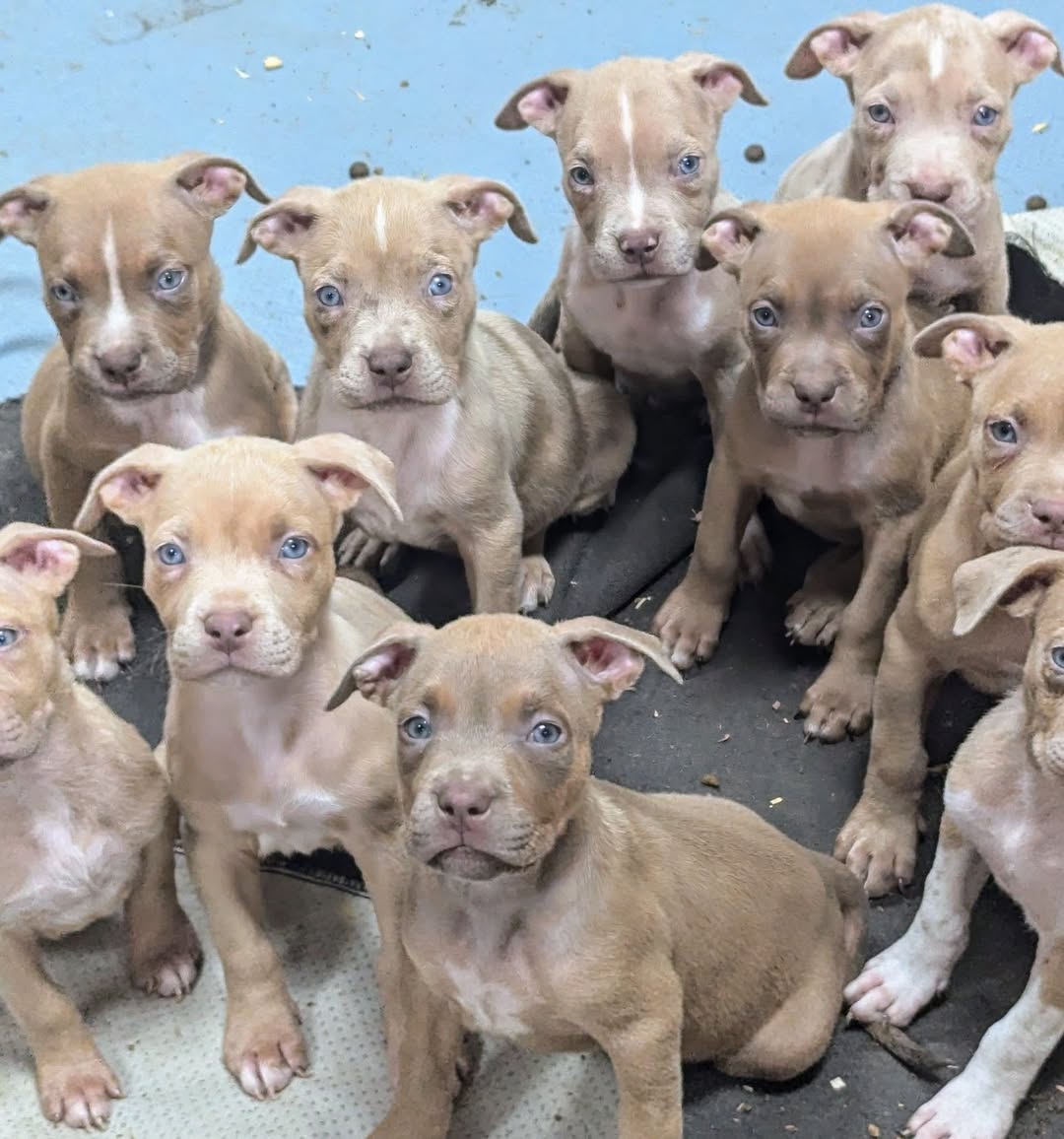
A flashy head, extreme size, and rare color can make any male stand out online. But a stud does more than create a memorable first impression. He contributes half the genetic foundation of every puppy in the litter. Knowing how to pick bully stud candidates means looking past the photo and choosing a male that strengthens your female, protects your reputation, and produces puppies families and serious breeders will be proud to own.
Start With the Litter You Want to Produce
The best stud is not automatically the biggest male available or the one with the most followers. He is the male that fits your female and moves your breeding program in the right direction.
Start by honestly evaluating your female. Where is she strongest? Maybe she has excellent rear movement, a clean topline, strong maternal temperament, or a deep, correct pedigree. Then identify the areas that need improvement. If she is slightly narrow in front, look for a male with a broad, well-laid shoulder and a powerful chest without sacrificing mobility. If she lacks head type, choose a stud with the head shape and muzzle balance you want, but do not let head size distract from overall structure.
Write down the goals for the litter before you contact a stud owner. For an XL American Bully program, that may include more bone, a wider chest, improved muscle definition, a stable family temperament, or a specific color possibility. A clear goal keeps you from breeding based on hype alone.
How to Pick a Bully Stud Beyond His Appearance
A quality American Bully stud should look impressive from every angle, but structure is what allows that look to last. Study clear, current photos and video of the dog standing and moving. A stacked photo can highlight strengths, while movement reveals whether the dog carries his power with balance.
Look for a level, stable topline; correct feet; solid pasterns; balanced front and rear angles; a strong, functional rear; and a chest that is broad without being so excessive that it restricts movement. The male should be muscular and substantial, especially in an XL or XXL program, but he should still move freely and breathe comfortably.
Head type matters because it is one of the most recognizable American Bully traits. Seek a broad, masculine head with a defined stop, balanced muzzle, and clean bite. Avoid treating an oversized head as the only marker of quality. A powerful head paired with weak feet, poor movement, or an unstable temperament is not an upgrade.
Ask to see the stud at different stages of maturity if possible. Young males can change dramatically as they add muscle and settle into their frame. A proven adult male gives you a clearer picture of what he consistently produces and what your female may complement.
Pedigree Should Explain the Dog, Not Just Sell Him
Pedigree is more than a list of recognizable names. It is the record that helps you understand what sits behind the stud: size, structure, temperament, health history, color genetics, and production consistency.
Established bloodlines such as Gotty, Razor’s Edge, and Greyline may bring traits breeders value, but a famous name alone does not guarantee a quality match. Look at the dogs throughout the pedigree, not just the closest well-known ancestor. Are there repeated examples of the build, temperament, and overall type you want? Is the pedigree tightly bred with a clear purpose, or is it assembled only to feature popular names?
Registration matters as well. Verify the male’s ABKC or UKC registration when applicable, and confirm that the paperwork matches the dog being offered. Registration documents lineage, but it does not replace a full evaluation of health, structure, or character.
If the male has produced previous litters, ask for honest information about those puppies. Are they growing into balanced adults? Do they show consistent heads, bone, movement, and temperament? A stud’s production record is often more valuable than a single polished photo. Some males are exceptional individuals but do not reliably pass their best traits. Others produce a recognizable, high-quality look across different females.
Health Testing Is Part of a Premium Breeding Decision
No responsible breeder can promise a puppy will never face a health issue. Genetics are complex, and every breeding decision carries risk. What a serious breeder can do is reduce avoidable risk through transparent testing, veterinary oversight, and careful selection.
Ask for current, verifiable health information on the stud and consider your female’s results at the same time. Depending on the dogs and your veterinarian’s recommendations, this can include hip and elbow evaluations, cardiac screening, patella assessment, eye examinations, and genetic testing relevant to inherited conditions in the lines. A responsible stud owner should be willing to discuss results directly, including any limitations or concerns.
Both dogs should also be screened for brucellosis before breeding. This contagious bacterial disease can cause infertility, pregnancy loss, and serious health concerns for dogs and people. It is a basic safeguard, not an optional extra.
Fertility matters too. A male may look outstanding and carry elite genetics, but a breeding plan can fall apart if semen quality is poor or collection and shipping are handled carelessly. For shipped semen or artificial insemination, work with experienced reproductive veterinary professionals. Timing your female correctly through progesterone testing can make a major difference in breeding success.
Temperament Is a Non-Negotiable Trait
The American Bully should be confident, affectionate, and stable. Families love these dogs for their powerful presence and loyal, people-oriented nature, but that family compatibility must be protected through intentional breeding.
Spend time with the stud if you can. Watch how he responds to handling, unfamiliar sounds, new people, and other dogs in an appropriate, controlled setting. He does not need to be overly social with every dog he meets, but he should be manageable, clear-headed, and free of unprovoked instability. Ask how he behaves in the home, around children, during vet visits, and while being handled for breeding or grooming.
Temperament is influenced by genetics, early socialization, training, and environment. That is why the strongest programs select stable parents and then raise puppies with daily human contact, thoughtful exposure, and consistent care. At Showtime Bullies, the goal is never just a massive, muscular dog. It is a companion with the presence people admire and the loving temperament families can live with.
Choose the Stud Owner as Carefully as the Stud
The service behind the male can affect your entire breeding experience. A professional stud owner communicates clearly, provides accurate paperwork, discusses the breeding contract upfront, and has a plan if the female does not conceive. Before sending a deposit or arranging transport, understand the stud fee, booking terms, collection fees, shipping costs, rebreeding policy, and any requirements for health testing.
Ask direct questions about the male’s age, previous breedings, litter sizes, live birth results, and what he tends to produce. The right owner will not pressure you into a quick decision or pretend every pairing is perfect. They should be able to explain why their male fits your female and where the match may require thoughtful management.
Rare colors such as lilac tri, merle, blue, and champagne can be part of a breeding goal, but color should come after health, temperament, and structure. Genetic color testing can help you make informed plans, especially when working with recessive traits or merle. Still, a rare-colored puppy with weak structure or poor temperament is not a premium result.
A great breeding decision is built on standards, not shortcuts. Select the male whose health records, pedigree depth, functional structure, proven production, and stable character support the future you want for your program. When the pairing is right, the litter will have more than eye-catching color and muscle. It will have the foundation to grow into strong, confident American Bullies that make their owners proud for years to come.