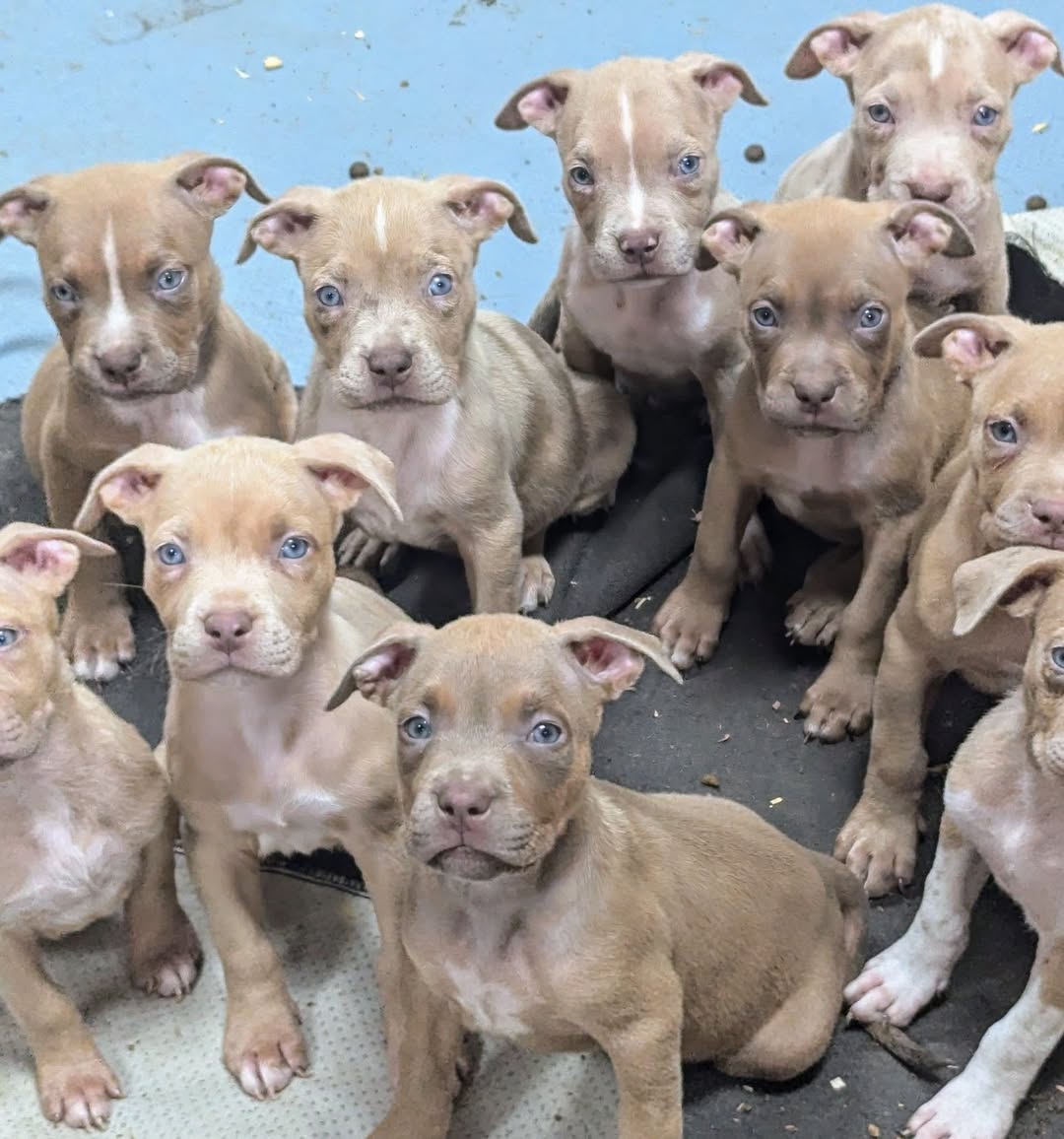
A striking merle coat can stop people in their tracks, but color is only the visible part of the story. Merle American Bully genetics determine how that marbled pattern is expressed, which pairings are responsible, and why serious breeders never make decisions based on a photo alone. For families, the goal is a beautiful, confident companion with dependable structure and temperament. For breeders, the goal is to protect the next generation while producing a dog that has real presence.
What Creates a Merle American Bully Coat?
Merle is controlled primarily by the M locus, also called the PMEL gene. A dog with one copy of the merle allele and one non-merle allele is typically described as M/m. This is the most common genetic makeup behind the classic merle appearance: uneven patches of darker pigment over a lighter or diluted base color.
The pattern itself changes the distribution of pigment. It does not create a new base color from nothing. A blue merle, lilac merle, chocolate merle, or fawn merle can look dramatically different because merle is interacting with other color genes already present in the dog. That is why two merle American Bullies can have completely different presentations, from heavy dark marbling to a lighter, more open pattern.
Merle can also affect the eyes and nose pigment. Blue eyes, partial blue eyes, or eyes with mixed color can occur in merle dogs. These features are visually distinctive, but they should never be treated as a substitute for proper health evaluation, sound movement, correct structure, or a stable, social temperament.
Coat pattern also has no direct connection to size. The massive head, strong bone, wide chest, athletic movement, and commanding XL build that families and enthusiasts want come from the full pedigree and selection behind the dog. Merle is one part of the genetic picture, not the foundation of a complete American Bully.
Why Merle American Bully Genetics Require Planning
The major concern in merle breeding is the double-merle pairing. When two dogs carrying a standard merle allele are bred together, each puppy has a chance of inheriting two merle copies, written as M/M. These dogs are often called double merles.
Double merle dogs may have extensive white coloring and can face a higher risk of congenital hearing and vision concerns. The risk is linked to reduced pigment cells in critical areas, particularly around the eyes and inner ear. Severity can vary from dog to dog, but the possibility is serious enough that responsible programs avoid merle-to-merle breedings.
A merle-to-non-merle pairing, commonly M/m to m/m, is the more responsible route when a breeder chooses to work with merle. In a typical pairing of this kind, puppies may inherit merle or may be non-merle, but they cannot inherit two merle copies from that cross. That genetic clarity protects the litter from the double-merle risk while allowing a program to preserve standout color alongside the traits that matter every day: health, confidence, family compatibility, and correct physical type.
This is where disciplined selection separates a serious kennel from someone simply chasing the latest color. A premium American Bully should be judged as a whole dog. Color gets attention, but temperament keeps a dog close to the family, and structure supports a strong, comfortable life.
Testing Before Breeding Merle Dogs
A responsible merle program begins with DNA testing, not assumptions. Some dogs can carry atypical or cryptic merle alleles that are difficult to identify from coat appearance alone. A dog may look non-merle or show only a minimal pattern while still carrying a merle-related allele capable of affecting breeding results.
DNA testing can identify the merle alleles a dog carries and gives breeders the information needed to plan a safe pairing. It also helps confirm whether a visually unusual dog is truly merle or whether its coat is being influenced by another color pattern. Pedigree knowledge is valuable, but genetic testing provides a level of certainty that appearance cannot.
Merle testing should be part of a larger health plan. Depending on the dog, responsible breeders may also use veterinary eye evaluations, hearing assessments when warranted, orthopedic screening, and breed-relevant genetic panels. A clean test result in one area does not erase every possible health consideration. It gives breeders better information so they can make better decisions.
Buyers should feel comfortable asking direct questions. Was each parent DNA tested for merle? Was the pairing merle to non-merle? Are there documented health records? Is the puppy being raised with regular handling and early socialization? Clear answers build confidence because a well-bred puppy should come from a program built on more than color.
Color, Pedigree, and Registry Standards
The merle pattern brings strong visual demand, especially in a muscular, broad-chested American Bully with a powerful XL frame. Still, buyers and breeders should understand that color acceptance, pedigree documentation, and registration rules can vary by registry and can change over time. Always verify current policies with the specific registry involved rather than relying on old social media posts or verbal claims.
Pedigree matters for another reason: it shows the foundation behind the dog. A strong breeding program looks beyond one eye-catching parent and studies generations for type, structure, temperament, health history, and consistency. Established bloodlines can contribute valuable traits, but no bloodline name automatically guarantees quality. The individual dogs and the choices behind each pairing still matter.
For family buyers, the most impressive puppy is not necessarily the one with the loudest pattern. It is the puppy that combines a striking look with steady nerves, social confidence, proper development, and a breeder willing to stand behind the program. A merle American Bully can be an unforgettable companion, but the dog needs the same training, boundaries, veterinary care, nutrition, and daily involvement as any other bully.
Choosing a Merle Puppy With Confidence
Start by looking at the full puppy, not just the coat. Watch how the puppy responds to people, littermates, sounds, and handling. Ask about the parents’ temperaments and whether the puppies have been exposed to normal household activity. A well-socialized American Bully should have confidence and affection without unnecessary instability.
Then examine the breeder’s standards. Strong programs keep detailed records, explain their pairings clearly, provide age-appropriate vaccinations and care, and raise puppies in a clean, hands-on environment. They should also be honest about what genetics can and cannot predict. No responsible breeder can promise that every puppy will develop exactly like a posed adult photo, but they can show the quality, health focus, and consistency of the dogs behind the litter.
For breeders, restraint is a strength. The best match may not always be the most fashionable color combination. Pairing a tested merle to the right non-merle partner can protect health considerations while improving structure, movement, head type, chest, rear assembly, and temperament. That is how a color program becomes a lasting breeding program rather than a short-term trend.
At Showtime Bullies, the standard should always be bigger than a rare coat. When merle is backed by tested genetics, confident family temperament, elite structure, and a pedigree built with purpose, the result is not just a dog that turns heads. It is a dog that belongs at the center of a proud, committed home.