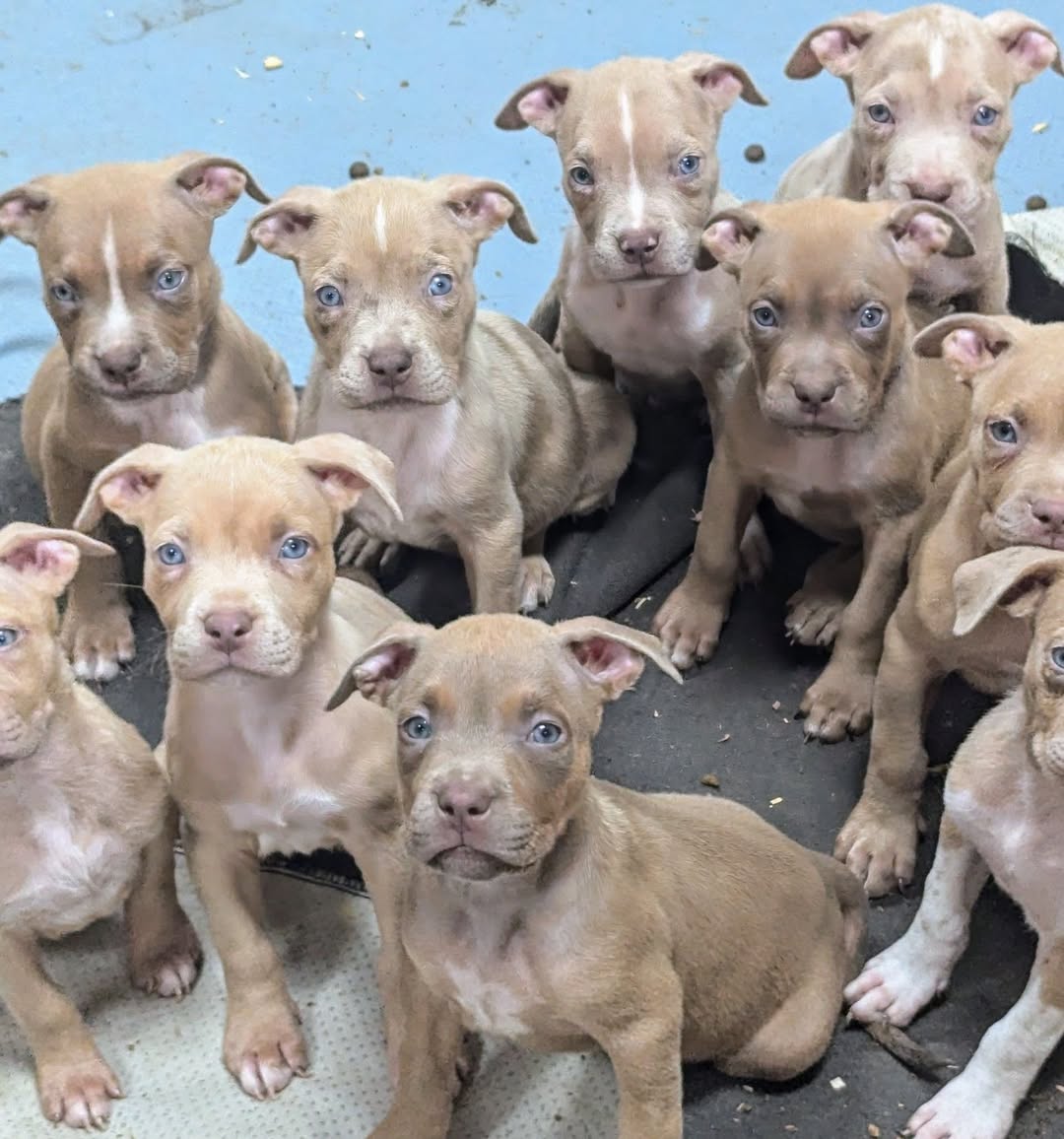
A Brazilian Bull can look ready for action long after a casual walk is over. That powerful, athletic presentation can tempt owners to push too hard too soon. Managing Brazilian Bull exercise needs is not about trying to wear a dog out. It is about building a controlled routine that supports sound movement, clear thinking, healthy development, and a stable home life.
For families considering the breed, activity should be part of the placement conversation from the beginning. Brazilian Bulls are not a set-it-and-forget-it dog for someone who wants a large, impressive companion without daily involvement. They need structure, handling, and an owner who understands that physical conditioning and temperament work together.
Managing Brazilian Bull Exercise Needs by Life Stage
Age changes the right kind of exercise. A mature Brazilian Bull may benefit from longer walks, purposeful training, and carefully managed conditioning. A young puppy has a completely different job: grow correctly, learn the home, and develop confidence without repetitive impact on a body that is still maturing.
Puppies need movement, not forced workouts
Puppies naturally cycle between short bursts of play and long periods of sleep. That is normal. Several brief, supervised play sessions on good footing are more appropriate than distance walks, running beside a bike, repeated stair climbing, or constant jumping off furniture.
Early exercise should also include exposure. Calm trips to safe environments, leash practice, handling, name recognition, crate comfort, and polite greetings can be more valuable than another round of high-energy play. A puppy that learns to settle, focus, and recover from new experiences is building the foundation for a dependable adult dog.
Owners should pay attention to surfaces. Slippery floors, repeated hard landings, and uncontrolled roughhousing can create bad movement patterns. Use traction where possible, supervise play with larger dogs, and give a growing puppy time to rest. Bigger, more muscular dogs may look physically advanced before their joints and coordination are ready for demanding activity.
Adolescents need direction
Adolescence is often when owners notice more energy, strength, and independence. This stage benefits from consistency. A young Brazilian Bull may need two daily outlets, such as a controlled walk in the morning and obedience work or supervised yard time later in the day.
This is the age when impulse control matters. Teach a reliable heel, a recall, a place command, and calm waiting at doors or gates. Those skills make exercise safer and make a powerful dog easier to enjoy in public. A long line, structured walks, and food or toy motivation can provide mental work without turning every session into chaos.
Avoid mistaking excitement for readiness. A dog that pulls hard, spins, or crashes into the end of the leash is not getting productive exercise. The dog is practicing over-arousal. Slow the routine down, reward calm choices, and keep sessions short enough that the dog can succeed.
Adults can do more, but recovery still counts
A healthy adult Brazilian Bull can enjoy a fuller conditioning program based on the individual dog’s structure, health history, temperament, and training level. Brisk walks, controlled hiking, obedience sessions, scent games, flirt-pole work with rules, and monitored free movement in a secure area can all have a place.
Not every adult needs the same schedule. A more driven dog may need additional training and mental work, while a calmer companion may be content with a consistent walk and family interaction. Weather, body condition, age, and orthopedic history also change the equation. The goal is a dog that is fit and fulfilled, not sore, frantic, or constantly overstimulated.
Exercise Is More Than Physical Output
The strongest routines give the dog a job. Brazilian Bulls are substantial dogs, and owners should not rely on unlimited backyard access as their only source of activity. A yard is useful, but it does not replace guided engagement with the owner.
Training can be physically modest and mentally demanding. Five to ten minutes of leash manners, down-stays, place work, recall drills, or searching for hidden food can drain more restless energy than unstructured running. It also reinforces the relationship that matters when the dog is around visitors, children, other dogs, or distractions.
A balanced weekly routine may include walks for cardiovascular fitness, obedience for control, play for enjoyment, and quiet recovery time. The mix is more effective than repeating one high-intensity activity every day. Dogs need to learn both how to engage and how to settle.
For homes with children, adult supervision remains essential. Teach children not to climb on, chase, corner, or disturb the dog while eating or resting. A stable family dog should have positive interaction with the household, but no large breed should be expected to manage constant pressure without clear boundaries and a protected resting space.
Heat, Humidity, and Florida Conditions
In Clearwater and throughout much of Florida, heat management is part of responsible dog ownership for much of the year. A heavily built dog can overheat quickly, especially in humid weather when panting is less effective at cooling the body.
Walk early in the morning or later in the evening when temperatures and pavement heat are lower. Test pavement with the back of your hand before heading out. If it is uncomfortable for your skin, it is too hot for paws. Bring water, choose shade where possible, and keep sessions shorter on hot days.
Watch for excessive panting, slowing down, drooling, bright-red or pale gums, unsteadiness, vomiting, or a dog that refuses to continue. Stop activity immediately, move the dog to a cool space, and contact a veterinarian promptly if signs do not resolve or appear severe. Do not use heat as a conditioning tool. There is no benefit in proving how much discomfort a dog can tolerate.
Signs the Routine Needs Adjustment
Owners often assume unwanted behavior means the dog needs more exercise. Sometimes that is true. Just as often, the dog needs better sleep, clearer training, or less intensity. A dog that paces, chews, demands attention, or struggles to settle may be under-stimulated, but it may also be overtired or confused by an inconsistent routine.
Look at the full picture. Healthy activity should leave the dog relaxed after a reasonable recovery period, not limping, unusually stiff, or unable to settle. Persistent lameness, reluctance to rise, changes in gait, coughing, or exercise intolerance deserve veterinary attention rather than a tougher workout plan.
Body condition is another useful guide. A well-managed Brazilian Bull should carry visible athletic function, not unnecessary weight that puts added strain on joints and movement. Nutrition, exercise, and veterinary care work together. No amount of activity can fully compensate for overfeeding or a diet that does not fit the dog’s life stage and condition.
Brazilian Bulls and XL American Bullies Have Separate Needs
Brazilian Bulls and XL American Bullies are separate breeds and should not be treated as interchangeable simply because both can present with power, size, and muscularity. Exercise decisions should be made for the individual dog in front of you, with respect for its breed background, structure, maturity, health information, and temperament.
Showtime Bullies has built its established XL American Bully program through years of attention to bloodlines, structure, and family-raised dogs, while its Brazilian Bull program is being developed from imported Brazilian dogs and carefully selected pairings. For either program, responsible ownership starts after pickup. Pedigree and physical potential matter, but daily handling determines how well that potential is expressed in the home.
Prospective owners should ask direct questions about a puppy’s developmental stage, the parents’ temperament, available health information, and the level of activity expected in the home. Honest answers help place a dog with people prepared for the commitment, not just attracted to the look.
A Brazilian Bull does not need an extreme lifestyle. It needs an owner willing to be present every day: walk with purpose, train with patience, protect recovery time, and adjust the plan as the dog grows. That steady investment is what turns impressive structure and natural presence into a controlled, loyal companion.