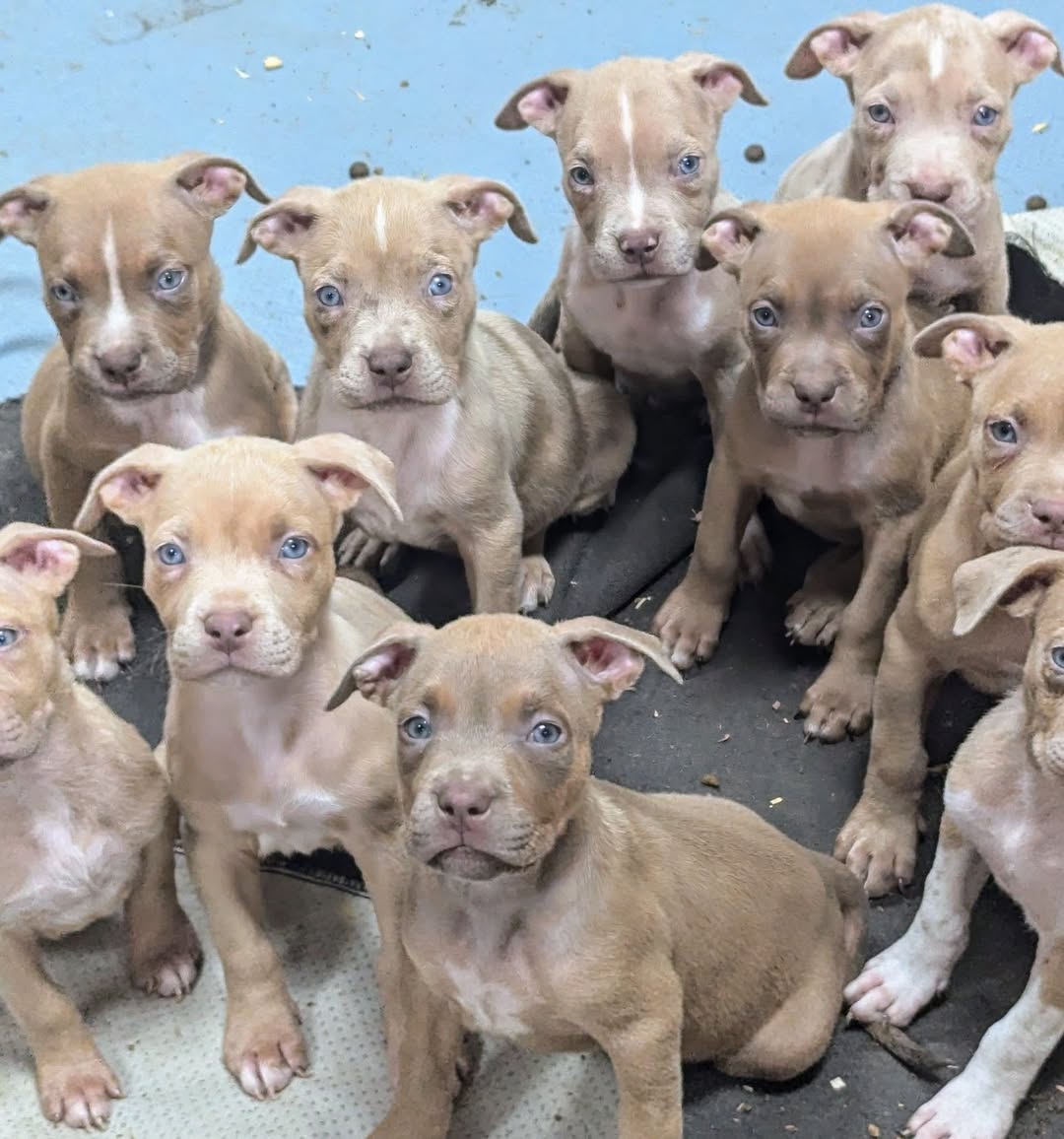
You can put two American Bullies from the same bloodline in front of a buyer, one male and one female, and the decision still won’t be simple. The male vs female bully question comes up all the time because people want more than a great-looking dog – they want the right fit for their home, their goals, and their lifestyle.
That is the right way to think about it. A great American Bully is not chosen by gender alone. Structure, temperament, pedigree, socialization, and breeding quality matter just as much. Still, sex does influence size, presence, behavior patterns, and even how the dog fits into a family or breeding program.
Male vs Female Bully: The Main Difference
The biggest difference in a male vs female bully is usually overall build. Males tend to carry more mass, wider chests, thicker heads, and a more exaggerated, muscular look. If your goal is a dog with serious presence in the yard or at shows, a well-bred male often gives you that bold, eye-catching package.
Females are typically a little more refined through the frame. That does not mean small or weak. A quality female American Bully can still be powerful, compact, athletic, and impressive. The difference is often in proportion and expression. Females usually show a cleaner, more feminine look, while still keeping the breed’s signature muscle, bone, and confidence.
For many buyers, the visual side matters. There is nothing wrong with that. This is a breed known for standout structure and undeniable presence. But looks should never be separated from temperament.
Temperament Is More Than Gender
A lot of people expect males to be more dominant and females to be calmer. Sometimes that plays out. Sometimes it does not. What matters more is the individual dog, the bloodline behind it, and how that puppy has been raised from the beginning.
A well-bred male American Bully is often affectionate, attention-seeking, playful, and very people-oriented. Many males act like oversized shadows. They want to be close, they want hands on them, and they often carry a goofy confidence that families love. In the right home, that easy affection is a huge plus.
Females often get described as more independent or more serious. There is some truth there in certain lines. Many females mature with a little more focus and a little less clowning around. Some families prefer that because it can feel easier to manage day to day. Others want the bigger personality and constant engagement that many males bring.
The trade-off is simple. A male may give you more of that big, social, always-in-your-space companion energy. A female may feel a touch more self-possessed and steady. Neither is automatically better. The right match depends on what kind of relationship you want with your dog.
Size, Structure, and Presence
If size is high on your list, males usually have the edge. In XL and XXL American Bullies especially, males are often the dogs that carry the most dramatic combination of height, head size, bone, and muscle. For buyers who want maximum presence, this matters.
Females can still be substantial, and top breeding programs produce females with outstanding structure, width, and muscle. But in most cases, the male is the one that pushes the more extreme look people associate with power and stature.
That said, bigger is not always better for every home. A very large male can be more to handle physically, especially for first-time Bully owners or households with limited space. A female may offer a slightly easier middle ground while still delivering the breed’s signature look and loyal personality.
Male vs Female Bully for Families
For family homes, both males and females can be excellent when they come from stable, people-focused breeding. The American Bully, when bred and raised right, is known for loyalty, patience, and real affection with people, including children.
Males often win over families because they are openly loving and highly interactive. They tend to seek out attention, play hard, and settle into the home with that big companion energy many owners want. If you want a dog that feels deeply involved in everything happening around the house, a male can be a strong choice.
Females are often chosen by families who want a dog that is still loving but maybe a little easier to read and a little less pushy with attention. Some people find females mature faster and settle into routine sooner. That can be helpful in busy homes.
But family fit is never just male versus female. Early socialization, boundaries, exercise, and consistent handling shape the dog you live with every day. Even the best-bred puppy needs direction.
Training and Manageability
Training questions come up fast when buyers compare sexes. Are females easier? Are males harder? The honest answer is that training success has more to do with consistency than sex, but there are patterns worth knowing.
Males can be more distractible, especially when young. They may stay in that playful, immature stage longer, which is fun but can test patience if you want fast polish. They often thrive with firm structure, clear expectations, and daily engagement. When they bond with you, they usually want to please.
Females often show a little quicker mental maturity. Some pick up household patterns faster and carry themselves with more focus earlier on. That does not make them effortless. A female with confidence and drive still needs proper handling. It just means some owners experience them as slightly more businesslike in training.
Neither sex should be left to figure things out alone. American Bullies do best with strong leadership, social exposure, and a home that treats training as part of everyday life, not an afterthought.
If You Have Other Dogs
This is one area where buyers need honesty, not hype. Same-sex tension can happen with any breed, and American Bullies are no exception. It does not mean every male will challenge every male or every female will clash with every female. It means management and matching matter.
A male entering a home with another strong male may require more careful introductions and clearer household structure. The same can be true with females. In some cases, opposite-sex pairings are easier, but there is no blanket rule that covers every dog.
If you already own dogs, the smarter question is not just male vs female bully. It is what kind of energy, age, and personality your current dogs have, and whether the new puppy is being selected with that in mind.
Breeding Goals Change the Answer
For pet homes, the decision usually comes down to appearance, personality, and household fit. For breeders, the answer is more strategic.
A male can offer major value if he has elite structure, proven pedigree, stable temperament, and the kind of look breeders want to reproduce. A standout stud with real quality can impact a program in a big way. The upside is obvious, but the bar should be high. Not every impressive male should be bred.
A female is the backbone of any serious breeding program. She contributes not only genetics but also maternal influence, consistency, and litter potential over time. A strong female with pedigree, health, and correct structure is not a backup plan to a male. She is foundational.
That is why experienced breeders do not reduce the decision to simple preference. They look at bloodline compatibility, health testing, movement, head type, temperament, and production goals.
Which One Should You Choose?
Choose a male if you want maximum size, heavier bone, a broad, bold look, and a dog that often brings big affection and big personality into the home. A strong male can be an incredible family companion and a head-turner at the same time.
Choose a female if you want a dog that still has strength and presence but may offer a slightly more manageable frame, a more refined look, and in some cases a quicker path to maturity. A well-bred female can be every bit as loyal, protective of the home, and impressive in structure.
At Showtime Bullies, this is how we look at it: the best choice is the dog that matches your goals without compromising on pedigree, temperament, or quality. Gender matters, but quality matters more.
The right American Bully should fit your life for years, not just your taste today. If you start there, you make a stronger choice and end up with the kind of dog you stay proud of long after puppy stage is over.