A large frame American Bully turns heads before it ever takes a step. The width, bone, head piece, and muscle are part of the appeal, but experienced buyers know size alone is not the standard. What matters is how that size is built – with balance, stable temperament, sound movement, and the kind of structure that holds up as the dog matures.
That distinction is where many buyers either make a smart decision or end up disappointed. A dog can look oversized in photos and still lack the foundation, health, or temperament that serious bully owners want. If you are shopping for a family companion, a future stud, or a foundation female, understanding what makes a large frame dog truly quality will save you time, money, and frustration.
What is a large frame American Bully?
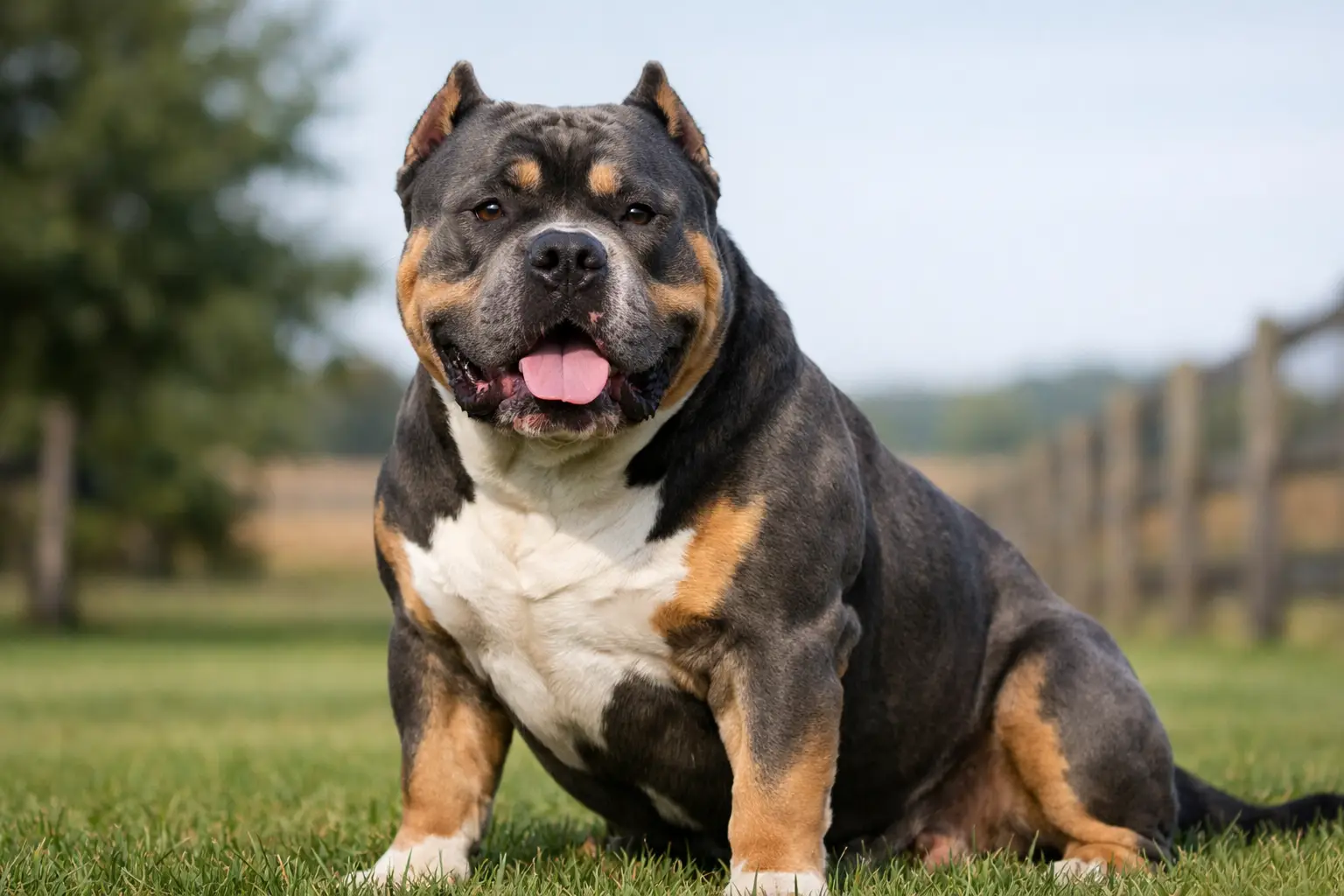
In simple terms, a large frame American Bully has more overall mass and skeletal substance than an average bully. That means heavier bone, broader chest, thicker rear, more head, and a wider, more commanding stance. The dog should look powerful without looking sloppy, and substantial without losing the breed’s signature athletic presence.
This is where buyers need to slow down and look deeper. Large frame does not just mean tall. Height can be part of the picture, especially in XL programs, but frame is really about the dog’s build. A well-bred dog carries size through its entire body. The topline should make sense, the chest should be developed, the feet should stay strong, and the movement should remain clean.
A properly built bully is impressive standing still, but the real test starts when the dog walks. If the frame is too much for the structure underneath it, faults start to show. That is why serious breeders focus on proportion, not just pounds.
Why the large frame American Bully is in such high demand
There is no mystery here. People love the look. A big, muscular bully with a broad head and standout color has presence that few breeds can match. For many owners, that visual impact is part of the dream. They want a dog that looks elite but still fits into family life.
The right dog offers both. A quality large frame American Bully can be affectionate, loyal, social, and confident around the home while still carrying the strong, unmistakable bully look that enthusiasts pay for. That combination is exactly why demand stays high among families and breeders alike.
For breeders, the appeal goes even further. Bigger, well-structured dogs with proven pedigrees often hold stronger value in a breeding program, especially when they also bring color genetics, registration, and consistent temperament. But even here, bigger is not automatically better. A massive dog with weak movement, poor breathing, or unstable behavior can hurt a program fast.
Structure matters more than hype
A lot of people get sold on labels. XL. XXL. Extreme. Monster. Those terms catch attention, but they do not tell you whether the dog is actually built right. In this breed, structure is what separates true quality from marketing.
You want to see a dog with strong bone, a wide and developed chest, correct angulation, solid feet, and a balanced frame from front to rear. The head should fit the body. The dog should look thick and powerful, but not overloaded to the point where movement becomes stiff or inefficient.
Temperament is part of structure in a practical sense too. A dog this powerful needs to be manageable. Confidence is good. Stability is better. The best bullies bring both size and control. They can impress in the yard and still settle in the house, handle children well, and remain socialized enough to live as true companions.
Bloodlines shape the outcome
If you are serious about buying a large frame bully, pedigree should never be an afterthought. Bloodlines heavily influence bone, head type, chest, rear, temperament, consistency, and even how a puppy matures over time. That is one reason experienced buyers ask about the parents first, not just the puppy’s current photos.
Established lines tied to bully programs known for structure and temperament usually produce more predictably than random pairings. That matters because a young puppy can show promise, but consistency across generations is what gives buyers real confidence. A breeder who understands how to pair size with stability is building more than flashy litters. They are building repeatable quality.
Color can be a major draw too. Lilac tri, merle, blue, champagne, and other sought-after looks bring attention, but color should sit behind foundation. If a breeder is chasing color while ignoring movement, health, or temperament, the result may look good for a short time and disappoint later.
Temperament should match the power
One of the biggest misunderstandings about these dogs is that larger frame must mean harder to live with. In reality, a well-bred American Bully should be people-oriented and affectionate. Size changes the visual impact, but it should not come at the expense of the dog’s mind.
For family buyers, this matters more than anything else. A powerful dog with unstable behavior is a liability. A powerful dog with early socialization, confident handling, and a sound temperament becomes an incredible companion. That is why responsible programs raise puppies with regular human contact, exposure to everyday activity, and clear attention to how the pups interact from an early age.
The best large frame dogs are not just impressive. They are dependable. They know how to relax, bond closely with their people, and carry themselves with confidence instead of nervous energy. That is the kind of bully that fits into real homes, not just social media posts.
Health and longevity are part of quality
A bigger dog puts more demand on its body. That is just reality. More weight and more mass mean joints, ligaments, and overall structure need to be taken seriously. Buyers who only focus on size often overlook the cost of poor breeding decisions later.
Health screening, vaccinations, registration, and responsible early care all matter here. So does honest evaluation of the parents. Can they move well? Are they breathing cleanly? Do they hold their frame without obvious weakness? Have they matured properly, or did they peak early and break down fast?
Nutrition and conditioning also play a role after purchase. A large frame American Bully should not be overfed into sloppiness. Muscle, tone, and body condition are different from excess fat. Good breeders know that a bully should look full and powerful, but still athletic enough to move comfortably and live well.
Choosing the right puppy or breeding prospect
If your goal is a pet, focus on temperament, structure, health background, and breeder consistency. If your goal is breeding, add pedigree depth, registration, genetic value, and how the dog complements your current program. In both cases, ask what the puppy is expected to become, not just what it looks like at eight weeks old.
This is where experience matters. A breeder who works with large, muscular bullies every day can usually explain which puppies have the strongest frame, which have the best front, which are more compact, and which are likely to mature with extra width or substance. That kind of guidance is worth a lot more than a flashy caption.
You should also understand the trade-off. The biggest puppy in the litter is not always the best one. Sometimes the most balanced puppy becomes the strongest adult. Sometimes a breeding prospect is not the same puppy a family with young kids should choose. It depends on the home, the goals, and how the dog is expected to mature.
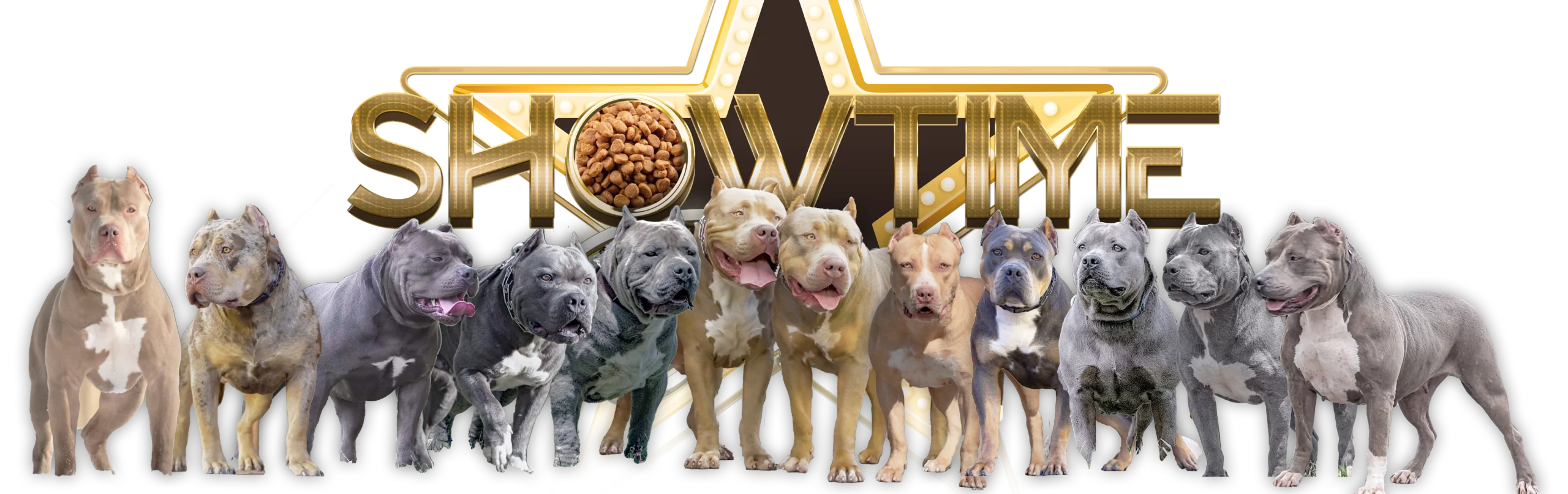
At Showtime Bullies, that standard is simple – size has to come with structure, temperament, and pedigree, or it does not make the cut.
Is a large frame bully right for your home?
For the right owner, absolutely. These dogs can be loyal, affectionate, visually unmatched, and deeply connected to their families. They often do well in homes that want a strong companion with presence and personality. But they are not a casual purchase.
A large frame bully needs room to move, consistent handling, quality food, basic training, and an owner who understands that attention comes with the breed. People will notice your dog. That is part of the appeal, but it also means you need a dog with manners and confidence.
If you want a bully that stands out for all the right reasons, think beyond raw size. Look for a dog with bone, muscle, balance, pedigree, and a temperament you can trust. When those pieces come together, you do not just get a bigger dog. You get the full package – a powerful companion built to impress and raised to belong.