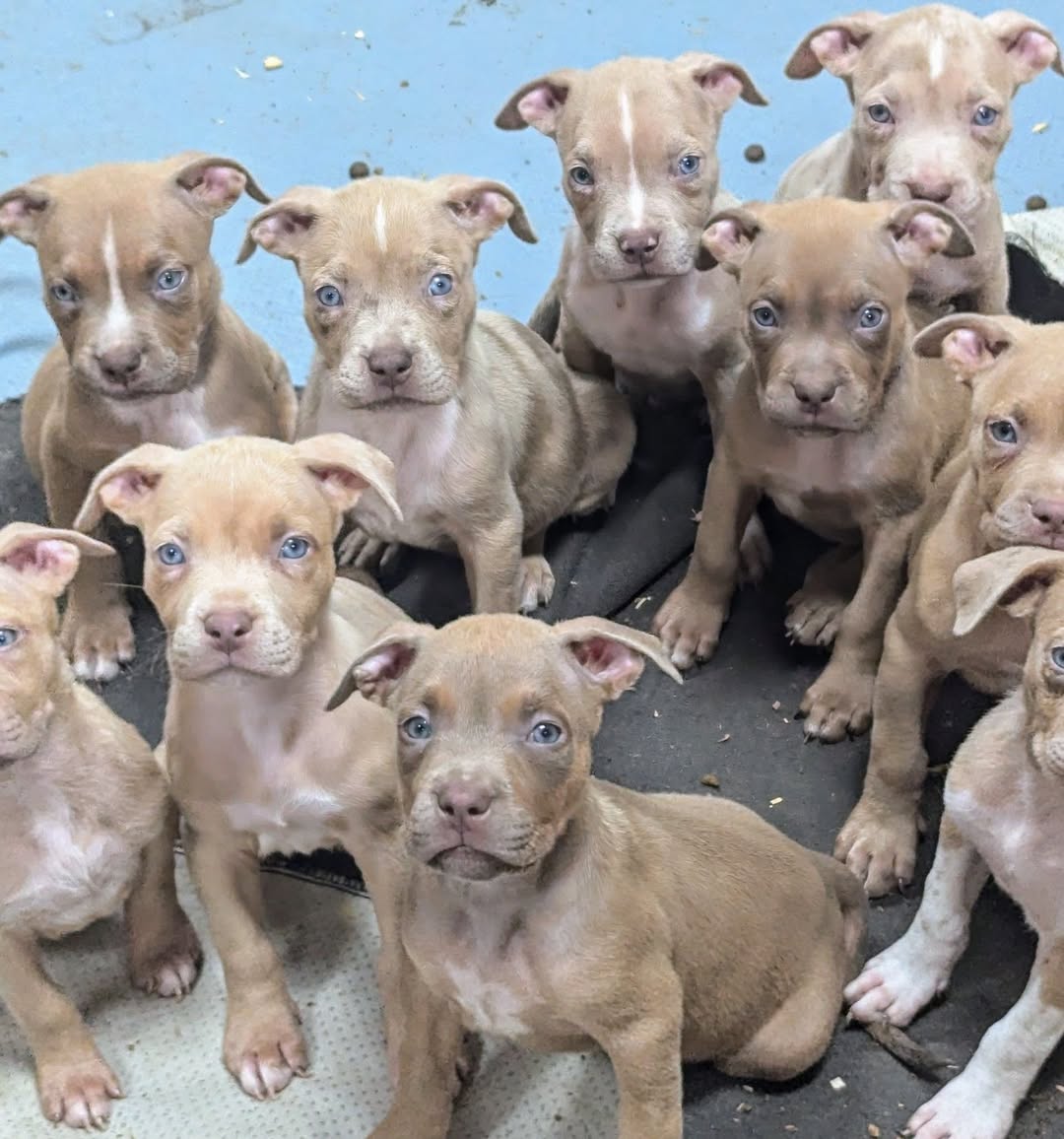
A Brazilian Bull puppy can look powerful long before it understands how big, athletic, and socially aware it will become. That is part of the appeal, but it is also why the decision deserves more than choosing a color or the biggest puppy in a litter. Brazilian Bull puppies should be selected with an eye on their pedigree, developing structure, temperament, health information, and the breeder’s plan behind the pairing.
For families, enthusiasts, and serious breeders, the breed represents an opportunity to work with dogs developed from Brazilian bloodlines while the Brazilian Bull presence in the United States continues to grow. The right puppy has potential, but potential needs responsible breeding, proper raising, consistent training, and a home that understands the commitment.
The Brazilian Bull Is Not an XL American Bully
Brazilian Bulls and XL American Bullies are separate breeds and separate breeding programs. They may appeal to people who appreciate muscular dogs, substantial bone, expressive heads, and confident companion temperaments, but they should not be treated as interchangeable.
An XL American Bully program is built around its own established breed type, pedigrees, and breeding objectives. Showtime Bullies has developed that legacy through years of work with recognized XL American Bully bloodlines, proven studs, breeding females, and family-raised puppies.
The Brazilian Bull program has a different focus. It is being developed through imported Brazilian dogs, carefully selected bloodlines, and planned pairings intended to establish a meaningful foundation in the United States. That distinction matters to anyone considering a puppy for companionship, future breeding, or participation in a developing breed community. A responsible breeder should explain exactly which program a puppy comes from and provide documentation that supports the dog’s lineage and registration status where applicable.
What Brazilian Bull Puppies Should Be Bred For
A quality puppy is not simply a collection of impressive features. The strongest breeding decisions consider how structure, temperament, pedigree, health, and function work together. A broad chest, strong rear, solid topline, correct movement, and balanced proportions all contribute to the complete dog. At puppy age, however, none of these traits should be judged in isolation.
Puppies change quickly. Growth can temporarily make a pup look leggy, narrow, loose, or uneven before maturity brings more balance. That is why experienced breeders evaluate the parents, the broader pedigree, prior offspring when available, and the developmental pattern of the litter instead of promising that an eight-week-old puppy will mature into a specific look or size.
Temperament carries equal weight. Brazilian Bulls should be raised with appropriate human interaction, handling, routine, and exposure to normal household life. A confident puppy is curious without being reckless, engaged without being frantic, and able to settle after play. Every puppy has an individual personality, so the best fit depends on the home. A family with young children may prioritize an easygoing, people-oriented puppy, while an experienced enthusiast may be looking for a more driven prospect with a particular pedigree.
Why Imported Bloodlines Matter
The value of imported Brazilian dogs is not just that they are rare in the United States. Imports can provide direct access to the bloodlines, type, and breeding foundation behind the Brazilian Bull program. When introduced responsibly, they give breeders more informed choices as they build future generations.
Pedigree should never be treated as decoration. It gives context to a dog’s ancestry and helps a breeder make intentional decisions about traits, consistency, and genetic diversity. It also helps buyers understand what they are purchasing, especially if they are considering breeding rights or a future role in a program.
Ask to see the information available for both parents. That may include pedigree details, registration documentation, health records or testing information, photographs, and an explanation of each dog’s role in the pairing. Transparent information does not mean a breeder can predict every outcome. It means the buyer is given a clear picture of the foundation behind the litter.
Choosing Brazilian Bull Puppies for Your Home
The right puppy is not always the heaviest, loudest, or most visibly dominant one. Those surface traits can be tempting, especially in a muscular breed, but they do not tell the whole story about long-term compatibility.
Start by being honest about your lifestyle. A Brazilian Bull puppy needs daily structure, supervision, training, quality nutrition, veterinary care, and regular exercise that is appropriate for a growing dog. Young puppies need short, positive sessions rather than forced endurance exercise. Their joints, coordination, and attention spans are still developing.
Socialization should be deliberate. Introduce the puppy to different surfaces, sounds, people, handling, vehicle rides, and safe, well-managed environments. The goal is not to overwhelm the puppy with nonstop activity. The goal is to create calm familiarity and teach the dog that new experiences can be handled with confidence.
House rules should begin on day one. Decide where the puppy sleeps, how greetings are handled, whether furniture is allowed, and who is responsible for feeding, potty breaks, and training. Large, strong adult dogs are easier to live with when manners are established while they are small. Reward-based training, clear boundaries, and consistency from every household member go a long way.
Questions Worth Asking Before You Commit
A responsible placement process should leave room for direct questions. Ask about the parents’ temperaments, the puppy’s current routine, feeding schedule, deworming and veterinary care, available health information, registration, pedigree documentation, and the age at which puppies go home. You should also understand whether the puppy is being placed as a companion or with breeding consideration.
Pricing should be clear before a deposit is made. The price of a Brazilian Bull puppy may reflect the costs associated with imported dogs, pedigree development, health care, raising a litter properly, documentation, and the individual placement terms. A lower price is not automatically a better value if information is limited or the breeder cannot explain the program behind the puppy.
For buyers outside the breeder’s local area, discuss transportation and pickup plans early. The puppy’s welfare should guide the process. A careful breeder will prioritize appropriate timing, communication, and a smooth transition into the new home rather than rushing a puppy out the door.
Companion Puppy or Breeding Prospect?
Not every well-bred puppy should enter a breeding program. Companion placement is an excellent outcome for many puppies because it allows the dog to become a valued member of a family without the obligations of breeding. Buyers should not feel that a companion designation makes a puppy less worthy. It simply reflects the breeder’s plan, the puppy’s role, and the terms of placement.
A breeding prospect requires a higher level of evaluation and responsibility. Beyond pedigree and physical appeal, future breeders must consider mature structure, temperament, health screening, documentation, compatibility with future pairings, and the ability to place puppies responsibly. A dog should never be bred simply because it is rare, colorful, or large.
For those interested in Brazilian Bull bloodlines, the better question is not, “Can this puppy produce puppies?” It is, “What would this dog contribute when fully mature and properly evaluated?” That mindset protects the breed’s future and respects the work behind imported foundation dogs.
Preparing for the First Year
The first year shapes much of a Brazilian Bull puppy’s future. Feed a diet appropriate for growth, follow veterinary guidance, monitor body condition, and avoid pushing rapid weight gain for appearance. A puppy that grows too fast or carries unnecessary weight can place added stress on a developing body.
Training should continue past the first few exciting weeks. Work on leash manners, recall, crate comfort, polite greetings, calm settling, and safe handling for grooming and veterinary visits. As the puppy grows, its strength can increase faster than its judgment. Consistent training helps turn physical presence into a dog that is enjoyable to take places and easy to manage at home.
Also plan for adulthood, not only puppyhood. Consider housing, fencing, landlord or insurance requirements, travel arrangements, and the time available for exercise and engagement. Brazilian Bulls can be deeply loyal companions, but loyalty is built through everyday care, leadership, and a stable routine.
A well-chosen puppy deserves more than admiration for its structure or pedigree. Give it patient training, responsible care, and a home prepared for the adult dog it is becoming. That is where a promising Brazilian Bull puppy has the best chance to show the quality behind its breeding.