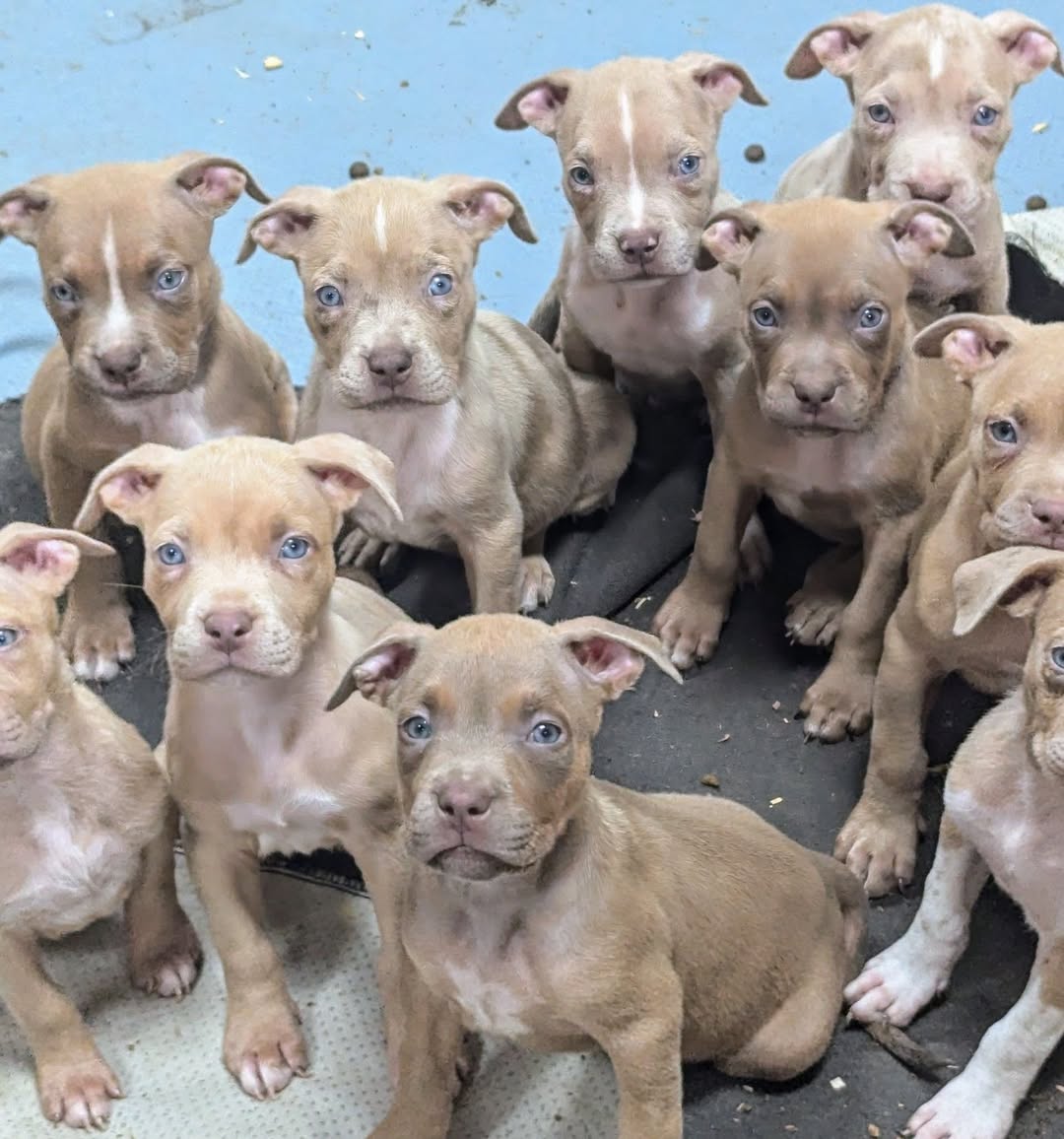
A thick build, broad chest, and impressive head may catch a family’s attention first. But when people ask about the best bully bloodlines for families, the answer should never start with color, size, or a famous name in a pedigree. It starts with the individual dogs behind that pedigree: their temperament, structure, health information, daily behavior, and the care given to their puppies from the beginning.
For families considering a Brazilian Bull or an XL American Bully, bloodline matters. It provides context for what a puppy may inherit and shows the breeding decisions that shaped the litter. It is not, however, a shortcut to predicting a dog’s complete personality. Responsible selection looks at the full dog, not just the names printed on registration papers.
What Makes a Bully Bloodline Family-Oriented?
There is no single bloodline that is automatically right for every household. A family with young children, a quiet couple with visiting grandchildren, and an experienced owner with other large dogs may all need different things from a puppy. The best fit is a carefully planned pairing that produces dogs with stable, manageable temperaments and sound physical structure, then places each puppy with an appropriate home.
A family-focused breeding decision begins with parents that are clear-headed and socially stable. They should be able to live around normal household activity without being excessively fearful, frantic, or difficult to handle. Confidence matters, but confidence is not the same as uncontrolled intensity. A powerful dog should still be responsive to its owner, comfortable with routine handling, and capable of settling in the home.
Structure also belongs in the conversation. An oversized look may be appealing, but a dog needs a body that can comfortably support its own weight and move correctly. Balanced angulation, solid feet, a functional gait, and appropriate conditioning all affect long-term comfort. Families are not only choosing a striking puppy. They are choosing the daily reality of walks, training, veterinary care, travel, and life inside the home.
Brazilian Bull Bloodlines for Families
Brazilian Bulls are the future-facing focus at Showtime Bullies, developed through imported Brazilian dogs, carefully selected bloodlines, and planned pairings. This is a separate breeding program from the XL American Bully program. The two should not be treated as different names for the same breed or as interchangeable pedigree options.
For a family exploring Brazilian Bull bloodlines, the first question is not simply which imported name appears closest in the pedigree. Ask what the breeding dogs are like in real life. How do they handle people they know? How do they respond to new environments, routine care, and direction from their handlers? What traits are being intentionally preserved or improved in the next generation?
Imported foundation dogs can bring valuable genetics and breed-specific type into a developing United States program. That value comes from the quality of selection and the breeder’s ability to make thoughtful matches, not from import status alone. A responsible Brazilian Bull program should be transparent about lineage, registration, available documentation, health information, and the role each dog plays in the program.
Families should also understand that a developing breed program requires patience and honest communication. Puppies can show strong potential, but no breeder can responsibly promise that every puppy will mature into the same size, look, or personality. Genetics create a range. Environment, training, nutrition, and consistency shape how that potential develops.
What to Look for in a Brazilian Bull Pedigree
A useful pedigree tells a story across generations. It allows a buyer to see whether a breeder is making deliberate decisions rather than repeating a popular name without a purpose. Look for documented lineage, consistency in the type being produced, and breeding dogs selected for more than appearance.
For a family home, the strongest pedigree discussion includes temperament and structure alongside visual traits. Ask whether the parents are raised and managed in ways that allow their true behavior to be evaluated. Ask what health screening or veterinary information is available for the dogs used in breeding. Then listen for direct answers rather than broad claims.
A good breeder should also be willing to discuss whether a particular puppy is a realistic match for your home. The most outgoing puppy in a litter is not automatically the right one for first-time large-breed owners. A calmer puppy is not necessarily less confident. Proper placement depends on matching energy level, household experience, and expectations.
XL American Bully Bloodlines Remain a Strong Legacy
Showtime Bullies also maintains an established XL American Bully program built through years of experience with recognized bloodlines, proven studs, breeding females, and family-raised puppies. While Brazilian Bulls are the primary growth focus, XL American Bullies remain an important part of the kennel’s history and current work.
The same family-first standards apply. A recognizable XL American Bully pedigree may reflect generations of established breeding, but buyers should still look past pedigree popularity. Evaluate the individual sire and dam, their structure, temperament, health information, and the consistency of the breeder’s program.
XL American Bullies can be substantial, muscular dogs that command attention. That physical presence requires responsible ownership. Families need secure fencing, clear household rules, age-appropriate training, and adults who are prepared to manage a powerful dog with calm consistency. A well-bred dog does not replace good ownership, and good ownership cannot correct every poor breeding decision.
Questions Families Should Ask Before Choosing a Puppy
The most useful conversations happen before a deposit is placed. A breeder should be able to explain the planned pairing and provide clear information about the puppy’s background. Families should ask to understand, not to test the breeder with buzzwords.
Start with the parents. Ask about their daily temperament, how they interact with people, and whether they have any traits that require extra management. Ask what health records, screening information, registration details, and pedigree documentation are available. If the breeder describes expected adult size, treat it as an estimate based on the parents and prior production, not a guarantee.
Then ask how puppies are raised before they leave. Early handling, exposure to ordinary household sounds, clean living conditions, and appropriate interaction all matter. Puppies need time with their mother and littermates, as well as thoughtful human engagement. The goal is not to overstimulate them. It is to give them a healthy start and help the breeder observe developing personalities.
Finally, discuss practical placement. Confirm pickup timing, pricing, what records come with the puppy, and what support is available as the puppy adjusts to its new home. A transparent process protects both the family and the dog.
Bloodline Is Only One Part of the Family Dog Equation
Even the most carefully bred puppy needs guidance once it arrives home. Begin training immediately with simple routines: crate comfort, house training, leash skills, handling of paws and ears, and calm greetings. Large bully breeds grow quickly, so habits that seem harmless in a small puppy can become difficult when the dog is mature.
Socialization should be thoughtful rather than reckless. A puppy does not need to greet every person or play with every dog. It needs positive, controlled exposure to the people, surfaces, sounds, environments, and routines it will encounter throughout life. Puppy classes led by qualified trainers can be useful, especially for owners new to powerful breeds.
Children should also be taught how to interact respectfully. No climbing, teasing, pulling, or disturbing a dog while it eats or rests. Adult supervision is essential, regardless of how gentle a dog appears. The strongest family relationships are built through structure, respect, and predictable routines.
Choose the Program, Then Choose the Puppy
Searching for the best bully bloodlines for families is really a search for a breeder who makes disciplined decisions and communicates openly. Brazilian Bull and XL American Bully pedigrees each deserve breed-specific evaluation, not assumptions based on appearance or online popularity.
Take time to review the dogs, ask for documentation, and be honest about your household’s experience and lifestyle. The right puppy is not simply the biggest, rarest, or flashiest one in the litter. It is the puppy whose breeding, early development, and placement give your family the strongest foundation for years of responsible companionship.