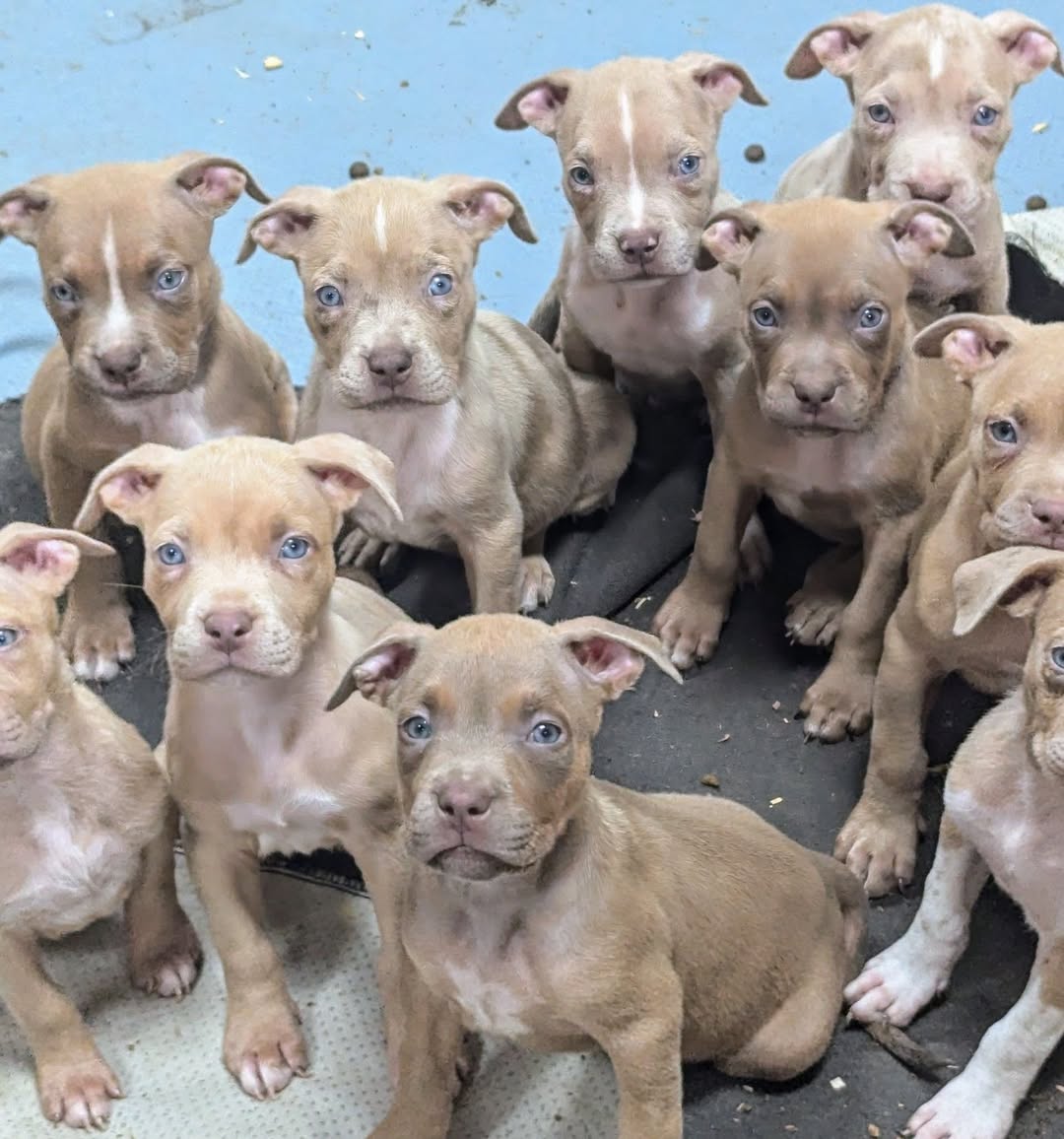
A Brazilian Bull puppy can look impressive in a photo and still be difficult to assess accurately. Heavy bone, a broad head, dark pigment, and a strong chest may catch the eye first, but long-term quality is built on how every part fits together. The goal of assessing Brazilian Bull puppy structure is not to pick the biggest puppy in the litter. It is to identify balance, soundness, breed type, and the potential for a strong adult dog.
For families, structure affects comfort, movement, and the dog’s ability to grow into a capable companion. For enthusiasts and breeders, it also affects breeding decisions, presentation, and the consistency of the next generation. A quality evaluation should consider the puppy in motion, at rest, and in the context of its pedigree, parents, health information, and stage of development.
Start With the Whole Puppy, Not One Feature
Brazilian Bulls are their own breed and should be evaluated as such. They are not XL American Bullies, even though both can carry powerful frames, muscular expression, and family-oriented appeal. An XL American Bully assessment should be based on that breed’s type and program goals. A Brazilian Bull should be judged against the traits being preserved and developed within Brazilian Bull bloodlines.
The first question is simple: does the puppy look put together? A well-structured puppy should appear balanced from front to rear. The head, neck, body, legs, and tail set should work as one picture rather than competing for attention. Extreme width, excessive mass, or an oversized head can make an early impression, but those features do not automatically create a more correct or more functional dog.
Look for a puppy with a solid, substantial frame that still has enough leg beneath it. A puppy that is too low for its body, too short through the neck, or overloaded in the front may have a harder time maintaining clean movement as its body weight increases. On the other hand, a puppy going through a temporary leggy stage should not be dismissed. Puppies grow in uneven stages, especially during the first year.
Assessing Brazilian Bull Puppy Structure From the Ground Up
Feet and legs deserve close attention because they carry the dog’s future size and muscle. A puppy should stand on tight, reasonably well-shaped feet rather than feet that appear flat, loose, or dramatically turned out. The front legs should come down with good support under the body, while the rear should show a stable, natural angle that allows the puppy to drive forward.
A puppy standing perfectly square for a photograph is useful, but it is only one moment. Watch how the puppy naturally stands when relaxed. Does it consistently place its legs under itself? Does it appear comfortable shifting weight? A young puppy may fidget, sit, stretch, or move constantly, so evaluate several moments rather than demanding a polished stack.
Front Assembly and Chest
The front end carries significant responsibility in a broad, muscular dog. Look for a chest that is developing with depth and width without overwhelming the puppy’s front assembly. The shoulders should appear connected and supported, not loose or dramatically upright.
A very wide front is not always a better front. If width comes at the expense of shoulder placement, clean movement, or room for the legs to travel, it may create problems as the dog matures. The strongest Brazilian Bull puppies usually show substance with proportion. They look powerful without appearing restricted.
Backline, Body, and Loin
From the side, examine the topline, or the line from the withers through the back and toward the croup. Puppies can temporarily look uneven while growing, but a generally stable backline is a positive sign. Avoid placing too much value on a single photo taken during a growth spurt, especially if the puppy is leaning, stretching, or standing on an uneven surface.
The body should have enough length to support athletic, comfortable movement. A dog that is extremely short through the body can lose balance, while a puppy that is overly long may lack the compact, substantial picture many people value. The loin should connect the front and rear with strength instead of looking weak or hollow.
Rear Structure and Tail Set
The rear should look strong and proportional to the front. A puppy with a large front and a light, narrow rear may grow into an unbalanced adult. Watch for a rear that appears stable when the puppy walks away and returns. The hind legs should not cross excessively, swing widely, or look unable to support the puppy’s body.
Tail set is part of the overall outline, but it should never distract from more meaningful questions about health, balance, and movement. A good evaluation considers the entire rear assembly, not one isolated feature.
Movement Tells You What a Still Photo Cannot
A short video is often more valuable than multiple stacked photographs. Ask to see the puppy walking naturally on a safe, level surface. Puppies will bounce, play, and make sudden turns, so no one should expect adult-level precision. Still, natural movement can reveal how comfortably the puppy uses its body.
From the front and rear, look for legs that track in a reasonably straight line as the puppy moves. From the side, look for a free, comfortable stride rather than a short, choppy gait. The puppy should appear willing to move and able to coordinate its front and rear.
Do not confuse puppy looseness with a final structural problem. Young dogs often go through awkward developmental periods. Growth plates are open, muscle is still developing, and proportions can change quickly. The concern is not one clumsy step. The concern is a repeated pattern of discomfort, major instability, or movement that looks consistently restricted.
Age Changes What You Should Expect
At eight weeks, a breeder can see early indicators of head shape, bone, body proportions, temperament, and general construction. What cannot be promised at that age is the exact adult outcome. A puppy may develop more chest, muscle, head, and maturity over time. Another may temporarily look taller in the rear or lighter in the body before catching up.
This is why responsible evaluation uses both the individual puppy and the family behind it. The sire and dam provide a more realistic frame of reference for adult potential than a puppy photo alone. Ask about their structure, temperament, pedigree, size, health information, and how previous offspring have developed when that information is available.
Pedigree matters because it shows more than names. It helps explain the type a breeder is working to preserve, the imported Brazilian bloodlines behind the program, and the thought process behind a planned pairing. Documentation should support an informed conversation, not replace one.
Temperament Belongs in a Structural Evaluation
A structurally appealing puppy still needs the right temperament for its future home. Brazilian Bull puppies should be evaluated for confidence, engagement, recovery after a new sound or experience, and their ability to interact appropriately with people. A puppy that is curious, stable, and responsive may be a better fit for many families than the boldest or most demanding puppy in the litter.
Temperament assessment also needs context. Puppies need rest, may be cautious with strangers, and can react differently in a new environment. A responsible breeder observes behavior over time rather than labeling a puppy based on a few minutes of activity.
For a breeding prospect, structure and temperament both matter. For a family companion, health, temperament, and placement fit should carry equal weight with appearance. The right puppy is not always the flashiest puppy.
Questions Worth Asking Before Choosing
A serious breeder should be able to discuss how a puppy is developing and why a pairing was selected. Before placing a deposit or making a final decision, ask to review the available pedigree and registration information, learn what health documentation is available, and see current photos or video of the puppy moving naturally.
It is also reasonable to ask about the parents’ temperaments, adult structure, and the home environment in which the puppies are being raised. Clear answers help buyers understand what they are considering. They also help distinguish a carefully planned Brazilian Bull program from a decision based only on color, size, or social media appeal.
Showtime Bullies approaches Brazilian Bull development with that long view in mind: imported bloodlines, deliberate pairings, structural quality, stable temperament, and transparent information all belong in the conversation. The kennel’s established XL American Bully experience remains an important part of its history, but each breed deserves its own standards, planning, and evaluation.
A Brazilian Bull puppy does not need to look fully finished to show quality. Look beyond the widest chest or biggest head, ask to see natural movement, study the parents and paperwork, and give development the time it requires. That patient approach is how a promising puppy becomes a dog you can be proud to live with, show, or thoughtfully build upon.