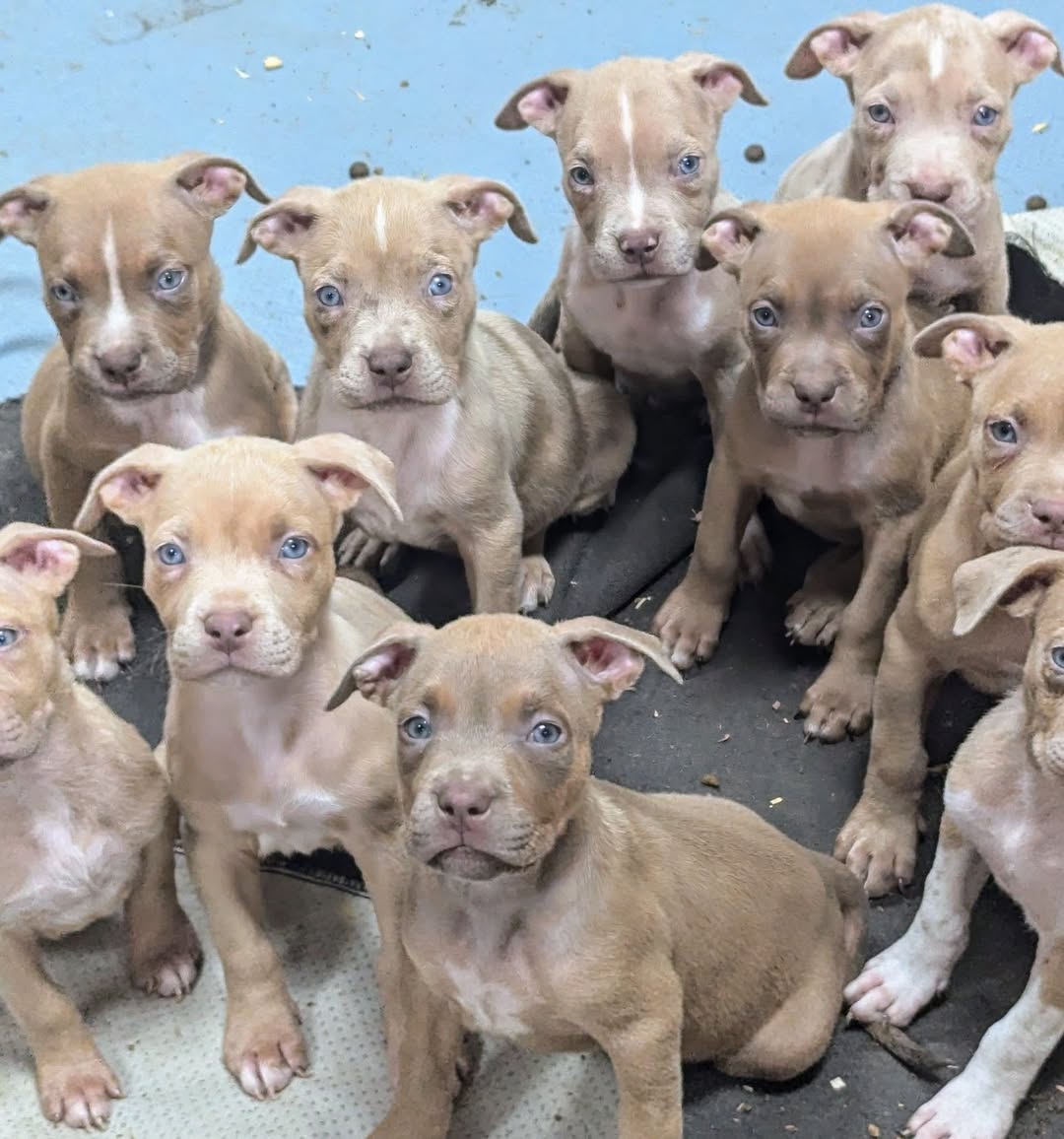
A thick frame, a confident stance, a clean headpiece, and a stable, people-loving temperament – that is where show quality bully puppies separate themselves from the pack. Plenty of puppies look impressive at first glance, but true show quality bully puppies are built on far more than size or rare color. They come from intentional breedings, proven bloodlines, sound structure, and early development that supports both ring presence and life at home.
For buyers spending serious money, that difference matters. Whether you want a family companion with elite pedigree or a future prospect for the ABKC or UKC ring, understanding what actually defines quality helps you buy with confidence and avoid being sold on hype alone.
What show quality bully puppies really means
The phrase gets used loosely, but it should not. A show quality puppy is a puppy bred and evaluated with the breed standard in mind. That means the dog should show strong potential in structure, movement, proportions, head type, bone, muscle, and overall balance. It also means the puppy should have the temperament to handle attention, travel, noise, and social environments without becoming unstable or overly reactive.
In the American Bully world, quality is never one-dimensional. Massive size can be eye-catching, but if the dog lacks correct movement or proper proportions, that size becomes a weakness instead of a strength. The same goes for color. Lilac tri, merle, blue, and champagne can turn heads, but color alone does not make a puppy show worthy. The real standard is how the complete dog comes together.
Structure comes first
If you ask experienced breeders what they look at before anything else, structure is near the top every time. Show quality bully puppies should display a strong, balanced frame even at a young age. You want to see solid bone, a level topline, good angulation, correct feet, and a chest that is developing with width without becoming sloppy.
Head type also matters. A bully should have a powerful, breed-appropriate head with good width, a defined stop, and a clean muzzle. But balance still rules. An oversized head on a weak body is not quality. Neither is an exaggerated body on unsound legs.
Movement is where a lot of claims fall apart. A puppy can stack well for a photo and still move poorly. Strong prospects tend to move with control and confidence, not with paddling feet, weak pasterns, or a rolling gait caused by bad construction. At a young age, everything is still developing, so no breeder can promise a perfect adult. But experienced programs can identify which puppies are showing the right foundation early.
Why balance matters more than extremes
Buyers are often drawn to extremes – the biggest head, the shortest back, the widest chest, the rarest color. The problem is that extremes can create trade-offs. A puppy bred only for bulk may lose athletic movement. A puppy bred only for flashy color may fall short in consistency, health, or structure.
The best show prospects are balanced. They have power without looking clumsy, substance without losing mobility, and presence without sacrificing temperament. That balance is what separates serious breeding from trend chasing.
Pedigree is not paperwork alone
A registered puppy is not automatically a show quality puppy. Registration matters because it documents lineage and gives buyers proof of breed authenticity, but paperwork by itself does not guarantee excellence. What matters is the depth behind the pedigree.
Strong programs build around proven bloodlines that consistently produce correct structure, muscular build, stable temperament, and recognizable type. Names tied to established American Bully lines carry weight when they are backed by real results, not just marketing. A quality pedigree should show intentional pairing, not random breeding between two dogs that happen to look good in photos.
For serious buyers and breeders, consistency is everything. One standout puppy in a litter is nice. A program that repeatedly produces quality across multiple litters is where real confidence comes from. That is why experienced kennels focus on lineage, stud selection, female quality, and long-term breeding goals instead of short-term trends.
Temperament is part of show quality
A bully can have all the muscle and bone in the world, but if the temperament is unstable, the value drops fast. Show quality bully puppies should be confident, social, and composed. They should be comfortable with people, responsive to handling, and able to settle in a family environment.
This matters for the ring, but it matters even more at home. Most buyers want an impressive dog that can still be trusted around children, guests, and everyday activity. That combination of strength and gentleness is one of the biggest reasons the American Bully has such a loyal following.
Early socialization plays a major role here. Puppies raised with high human contact, routine handling, and exposure to normal household activity tend to develop better confidence than puppies raised with minimal engagement. Genetics set the base, but environment shapes how that base develops.
Health separates premium breeding from risky breeding
No serious discussion about show quality should ignore health. A puppy can look incredible at eight weeks and still come from weak breeding choices if health was treated like an afterthought. Reputable breeders put real effort into screening, vaccinations, nutrition, sanitation, and developmental care from the start.
That does not mean every puppy is guaranteed to live a problem-free life. No honest breeder can promise that. It does mean the odds improve when breeding stock is selected with soundness and overall quality in mind.
Buyers should expect age-appropriate vaccinations, clear records, and transparency about registration and care. For breeders investing in future studs or females, health matters even more because the goal is not just owning a beautiful dog. The goal is building on strong genetic value over time.
The truth about size and long-term quality
XL and XXL American Bullies attract buyers for obvious reasons. They have a commanding look that few breeds can match. But size must be carried correctly. Bigger is only better when the dog remains balanced, mobile, and sound.
Poorly bred oversized dogs often show weaknesses in movement, stamina, and structural integrity as they mature. A premium puppy should grow into its size with substance and control, not simply outgrow its frame. That is why breeders focused on long-term quality do not breed for scale alone. They breed for structure that can support it.
Color gets attention, but it should never lead the decision
There is no question that distinctive color genetics drive demand. Lilac tri, merle, blue, and champagne puppies can be stunning, and buyers often have a clear preference before they ever ask about bloodline or structure. That is understandable. Color is part of the appeal.
Still, serious buyers know color should be the finishing touch, not the foundation. If two puppies are equal in structure, temperament, pedigree, and health, then color can absolutely help make the decision. But choosing a weak puppy just because the shade is rare is usually a mistake.
The strongest breeding programs produce dogs that turn heads for the whole package. Color may get someone to stop scrolling, but build, temperament, and pedigree are what hold value over time.
How to evaluate a breeder offering show quality bully puppies
A breeder should be able to explain why a litter was produced, what strengths the sire and dam bring, what registries apply, and what kind of homes the puppies suit best. Confidence is good. Empty sales talk is not.
Look for consistency in the dogs, not just one flashy male used in advertising. Ask whether the puppies are being raised with regular handling and early socialization. Pay attention to how the breeder talks about temperament, not only muscle and head size. A quality program knows that family compatibility and breed excellence go together.
It also helps to understand that not every puppy in a litter will carry the same level of show potential. Some will be stronger as companions, some as future breeding prospects, and some as possible show homes. A knowledgeable breeder will be honest about those differences instead of labeling every puppy elite.
Show quality for families and breeders
For a family buyer, show quality often means getting a dog with the look, confidence, and pedigree they want, while still bringing home a loyal and affectionate companion. For a breeder, it means investing in genetics with real upside – dogs that can strengthen a program, produce consistency, and compete in a serious market.
Those goals overlap more than people think. The same traits that make a dog attractive in the ring – sound structure, stable temperament, correct type, and confident presence – also make that dog more enjoyable to live with every day.
That is why top breeders put so much focus on the full picture. At Showtime Bullies, that means breeding with intention, raising puppies in a family-centered environment, and aiming for the kind of structure, presence, and temperament that stand out both in the yard and in the ring.
If you are looking at bully puppies and want more than a flashy photo, trust your eye but ask harder questions. The right puppy should offer presence, pedigree, and peace of mind all at once.