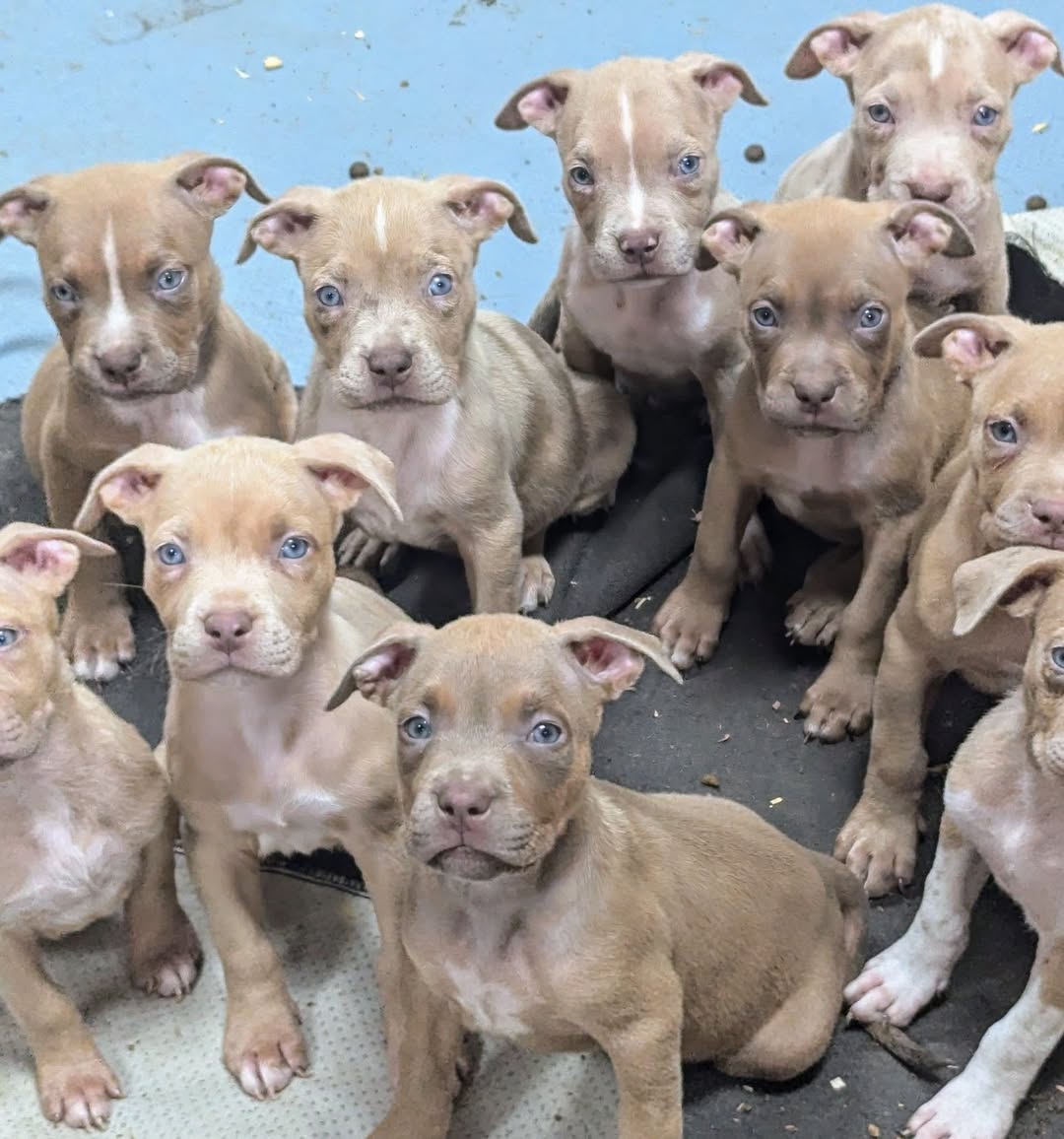
A powerful head, wide chest, strong rear, and standout color may catch your attention first. They should not be the only reasons you choose a kennel. The phrase “top signs responsible bully kennels” should lead buyers beyond photos and price tags, toward the records, breeding decisions, and day-to-day standards behind each dog.
That matters even more when researching a developing program such as the Brazilian Bull. Families and serious breeders deserve a clear picture of the dogs behind a planned litter, how puppies are raised, and whether the kennel is prepared to place each puppy thoughtfully. The same standard applies to XL American Bullies, although Brazilian Bulls and XL American Bullies are separate breeds with separate breeding programs, pedigrees, and goals.
Top Signs of Responsible Bully Kennels
A responsible kennel can explain its program in plain language. It does not expect you to accept broad promises without asking questions. You should be able to learn why a particular male and female were paired, what traits the breeder hoped to preserve or improve, and what documentation is available for the dogs involved.
For Brazilian Bulls, this conversation should include the program’s foundation. Imported Brazilian dogs, selected bloodlines, and careful pairing decisions can play a meaningful role in developing the breed’s presence in the United States. A breeder should be direct about a dog’s origin, pedigree, registration information where applicable, and role in the program. They should not present a Brazilian Bull as an XL American Bully simply because both may have impressive bully-type structure.
With an established XL American Bully program, the discussion may center on proven studs, breeding females, known pedigree combinations, and the traits that have been built over time. The breed distinction remains essential. Responsible breeding is not about applying one label to every muscular dog. It is about respecting the identity and direction of each program.
Clear Pedigrees and Honest Documentation
Pedigrees tell part of a dog’s story, not the whole story, but a kennel should never treat them as a mystery. Ask to see available pedigree information and registration documentation. A breeder should be able to explain the lineage without turning every answer into a sales pitch.
Documentation can also include health information, veterinary records relevant to the puppy’s care, purchase terms, and any records connected to the parents. What is available will depend on the dog, its age, its registry, and the program’s stage of development. The key sign is transparency. If a question cannot be answered immediately, a responsible breeder explains what they know, what they are verifying, and what documents can be provided.
Be careful with vague language such as “rare blood” or “exclusive lines” when no pedigree details follow. Strong bloodlines are valuable because of the dogs behind them: their structure, temperament, consistency, and suitability for the next generation. A name alone does not replace responsible evaluation.
Breeding Decisions That Put Function First
A well-bred bully should look impressive, but structure is more than a photo angle. Responsible kennels consider balance, movement, soundness, proportions, topline, chest development, rear assembly, and overall athletic function. Extreme features may draw attention online, yet a breeder focused only on exaggeration can lose sight of the dog’s long-term comfort and quality of life.
Temperament belongs in the same conversation. Families often want a confident, affectionate companion with a stable disposition. Enthusiasts may be looking for presence, drive, and breed type. Breeders may be evaluating traits that can complement their own program. Those needs are not identical, which is why thoughtful matching matters.
A responsible kennel evaluates the complete dog rather than chasing one feature, whether that is maximum size, a specific color, a massive head, or a social-media trend. The right pairing depends on the strengths and limitations of both parents. Good breeders can discuss those decisions with realism instead of claiming every dog is flawless.
Health Is a Process, Not a Catchphrase
Health information should be discussed clearly and without careless guarantees. No breeder can promise that a living animal will never face a health concern. What responsible breeders can do is make informed decisions, maintain appropriate veterinary care, keep accurate records, and be open about the information available on their breeding dogs.
Ask how the kennel approaches health evaluation, preventative care, nutrition, and puppy development. Ask what support or records come with a puppy at pickup. Direct answers are more valuable than dramatic claims. A breeder who acknowledges that responsible breeding requires ongoing judgment is usually giving you a more credible picture than one who promises perfection.
Puppies Raised for Real Homes
The first weeks of a puppy’s life shape more than its appearance. Clean surroundings, regular handling, age-appropriate care, exposure to normal household activity, and careful observation all contribute to a puppy’s start. A responsible kennel can explain its process instead of simply posting a pickup date.
Buyers should also receive realistic guidance about timing. Puppies should go home only when they are developmentally ready under the kennel’s established process, not because a buyer is eager to bring one home early. A breeder should discuss feeding routines, transition expectations, early training, veterinary follow-up, and the commitment required as the puppy grows.
Large, athletic bully breeds need owners who are ready for structure and consistency. That includes socialization, obedience work, secure containment, exercise appropriate to the dog’s age, and a household that can manage a powerful adult dog responsibly. A quality kennel does not portray ownership as effortless just to close a sale.
Placement Questions Are a Green Flag
A breeder asking you questions is not making the process difficult. They are doing their job. Expect conversations about your home, experience with large dogs, family routine, goals for the puppy, and whether you are seeking a companion, a potential breeding prospect, or access to stud services later on.
The right puppy for a family may not be the same puppy an experienced breeder wants for a future program. A responsible kennel considers personality, physical development, and buyer goals when making recommendations. Sometimes that means advising a buyer to wait for a better match. That is not a lost sale. It is responsible placement.
For prospective breeders, the conversation should go deeper. Pedigree, registration, structure, temperament, health information, breeding rights, and long-term program goals all deserve discussion before a decision is made. Breeding quality dogs requires more than owning two impressive adults.
Communication Before and After Pickup
The way a kennel communicates tells you a great deal. You should receive straightforward answers about availability, pricing, deposits, pickup expectations, documentation, and the purchase process. Transparency does not mean every detail will be identical for every litter, but it does mean the breeder is not evasive when practical questions arise.
After a puppy leaves, responsible guidance still has value. New owners may need clarification on transition routines, feeding, training priorities, or normal adjustment behavior. The breeder does not need to replace a veterinarian or trainer, but a knowledgeable kennel should remain a useful point of contact for information related to the puppy’s background and early care.
At Showtime Bullies, the Brazilian Bull program is built around carefully selected imported dogs, planned pairings, and transparent information for people who want to understand the breed rather than simply follow a trend. The kennel’s XL American Bully program remains an established part of its work, supported by years of experience with documented bloodlines, breeding dogs, and family-raised puppies.
The best time to evaluate a kennel is before you reserve a puppy. Ask for the records, ask why the pairing was made, and pay attention to whether the answers are clear. The right breeder will respect serious questions because responsible ownership starts with an informed decision.