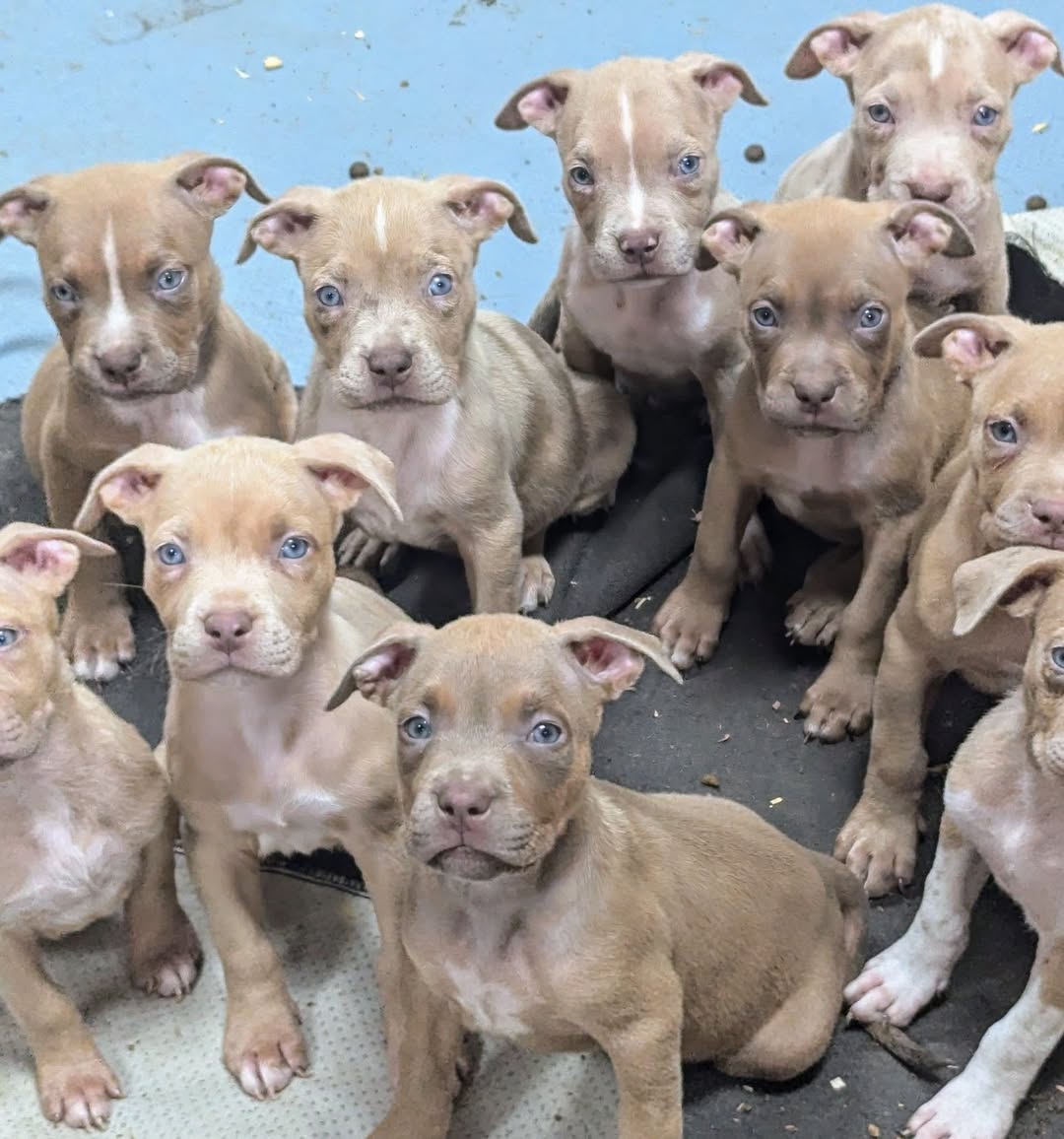
A premium puppy should look impressive, but real quality goes far deeper than a bold head, heavy bone, striking color, or muscular build. The top signs of healthy puppies show up in how a pup moves, eats, responds to people, and has been raised from the very beginning. For families bringing home an XL American Bully, those details matter just as much as pedigree.
A confident breeder welcomes educated questions. Health is not one single feature you can spot in a photo. It is the full picture: physical condition, stable behavior, preventive veterinary care, clean living conditions, and transparent records behind the puppy.
Top Signs of Healthy Puppies You Can See in Person
A healthy puppy is usually alert without being frantic. When awake, the pup should show curiosity about people and its surroundings, with bright, engaged eyes and a willingness to explore. Some puppies are naturally more laid-back than others, especially after a meal or a big play session, so do not mistake a sleepy pup for an unhealthy one. What matters is whether the puppy perks up, responds to sound and movement, and appears comfortable in its environment.
The eyes should be clear and open, without persistent redness, swelling, heavy tearing, or thick discharge. A small amount of normal sleep debris can happen, but crusted eyes or ongoing discharge deserve a direct conversation with the breeder and, when needed, a veterinarian. The ears should also look clean and free of a strong odor, excessive wax, or frequent head shaking.
Look closely at the puppy’s coat and skin. A healthy coat should look clean, feel soft or smooth for its coat type, and have an even appearance. Puppies can get an occasional scratch from littermate play, but widespread flakes, patchy hair loss, sores, or constant scratching are not details to brush aside. Check the belly as well. It should not be severely swollen, irritated, or covered in bumps.
The nose may be wet or dry at different times of day, so moisture alone is not a reliable health test. Instead, watch for thick nasal discharge, labored breathing, repeated coughing, or a puppy that seems unable to settle comfortably. A strong, athletic-looking American Bully puppy should still breathe easily at rest.
Watch How the Puppy Moves and Uses Its Body
Structure matters in an American Bully, especially when you are investing in an XL or XXL prospect. A wide chest, substantial frame, and powerful rear should be supported by balanced movement. Watch the puppy walk, turn, play, and stand naturally instead of judging only a stacked photo.
Healthy puppies generally place weight evenly, move without obvious pain, and recover quickly after a burst of play. They may be clumsy – they are babies, after all – but persistent limping, dragging a leg, refusing to bear weight, or crying when handled should never be ignored. Ask to see the puppy on a clean, non-slippery surface where you can get an honest look at movement.
Also pay attention to coordination. A puppy should be able to move through its space, interact with littermates, and navigate small changes in flooring without looking disoriented. Big-boned puppies grow quickly, and no breeder can promise how every growth stage will unfold. Still, good early movement and sound handling are encouraging signs of a well-started pup.
A healthy body condition is balanced, not extreme. You should not see ribs sharply protruding, but a puppy should not be carrying excess weight either. Overfeeding can make a young puppy look extra massive in photos while placing unnecessary stress on developing joints. Quality breeders focus on steady development, not artificially fast size.
Appetite, Stool, and Daily Routine Tell the Real Story
When possible, ask to see the puppy during a normal part of its day. A healthy puppy commonly shows interest in food and returns to normal behavior after eating. One missed meal can happen during stress, travel, or a schedule change, but a weak appetite, repeated vomiting, or visible discomfort after meals calls for a closer look.
Ask what food the puppy is currently eating, how often it is fed, and whether there have been any digestive issues in the litter. Stool should generally be formed and easy to pass. Loose stool can occur with dietary changes or excitement, but ongoing diarrhea, blood, straining, or a dirty rear end should be taken seriously. These are not glamorous questions, but they are smart buyer questions.
The living area provides just as much information as the puppy. It should be clean, dry, and appropriately sized, with fresh water, safe bedding, and room for puppies to play and rest. Raising puppies in a high-contact environment does not mean everything has to look staged. It means the dogs are cared for consistently, handled regularly, and given a clean foundation during their most important developmental weeks.
Temperament Is a Major Health Sign
A stable temperament is part of a healthy start. The best family-raised American Bully puppies are affectionate, responsive, and confident without showing unnecessary fear or aggression. A puppy may need a minute to warm up to a new person, particularly in a busy kennel setting, but it should not remain shut down, panic when approached, or react with extreme intensity to ordinary handling.
Watch how the pup responds when picked up, gently touched around the feet, or introduced to a new sound. You are not looking for a perfectly trained dog at eight weeks old. You are looking for recovery. A sound puppy might startle, then quickly re-engage with people, toys, or littermates.
For homes with children, this piece matters even more than color or size. A dog can be visually exceptional and still be the wrong match if its energy level, confidence, or handling tolerance does not fit your household. The right breeder will talk honestly about each puppy’s personality instead of claiming every pup is identical.
Health Records Are Part of the Purchase, Not an Extra
A polished puppy photo is not a substitute for documentation. Before bringing a puppy home, ask for the records that support its care. You should understand the puppy’s vaccination schedule, deworming history, veterinary examinations, feeding routine, date of birth, and registration information where applicable.
For buyers seeking a registered American Bully, ABKC or UKC paperwork helps document lineage, but registration is not a health guarantee by itself. The stronger question is how the breeder pairs documented lineage with responsible health practices, temperament selection, and clear communication about the puppy’s care.
Ask about the parents, too. A reputable program should be able to discuss their structure, temperament, and any health screening performed. No breeding program can promise a dog will never face a health issue over its lifetime. Genetics, growth, nutrition, exercise, and routine veterinary care all play a role. What a responsible breeder can provide is transparency, thoughtful pairings, and a history they stand behind.
Red Flags Worth Taking Seriously
Do not let a rare color, oversized head, or low-pressure sales pitch rush your decision. A few concerns may have simple explanations, but multiple red flags together should stop the process. Be cautious if a breeder will not allow you to see current photos or videos, cannot answer basic questions about health care, pressures you to send payment immediately, or seems unclear about where and how the puppies are raised.
Other concerns include puppies that appear consistently lethargic, dirty conditions, obvious coughing or eye discharge across the litter, and claims that sound too perfect to be true. Massive size at a very young age is not automatically proof of quality. Sound structure, proper development, clear records, and balanced temperament are the traits that hold value long after the puppy stage.
At Showtime Bullies, the goal is to produce American Bullies with commanding presence and the family-ready temperament to match. That standard begins with careful breeding choices, early socialization, and a focus on puppies that are prepared for real homes, not just impressive photos.
Before you choose your puppy, slow the process down long enough to observe, ask questions, and trust what you see. The right pup should give you more than a big first impression – it should give you confidence in the years ahead.