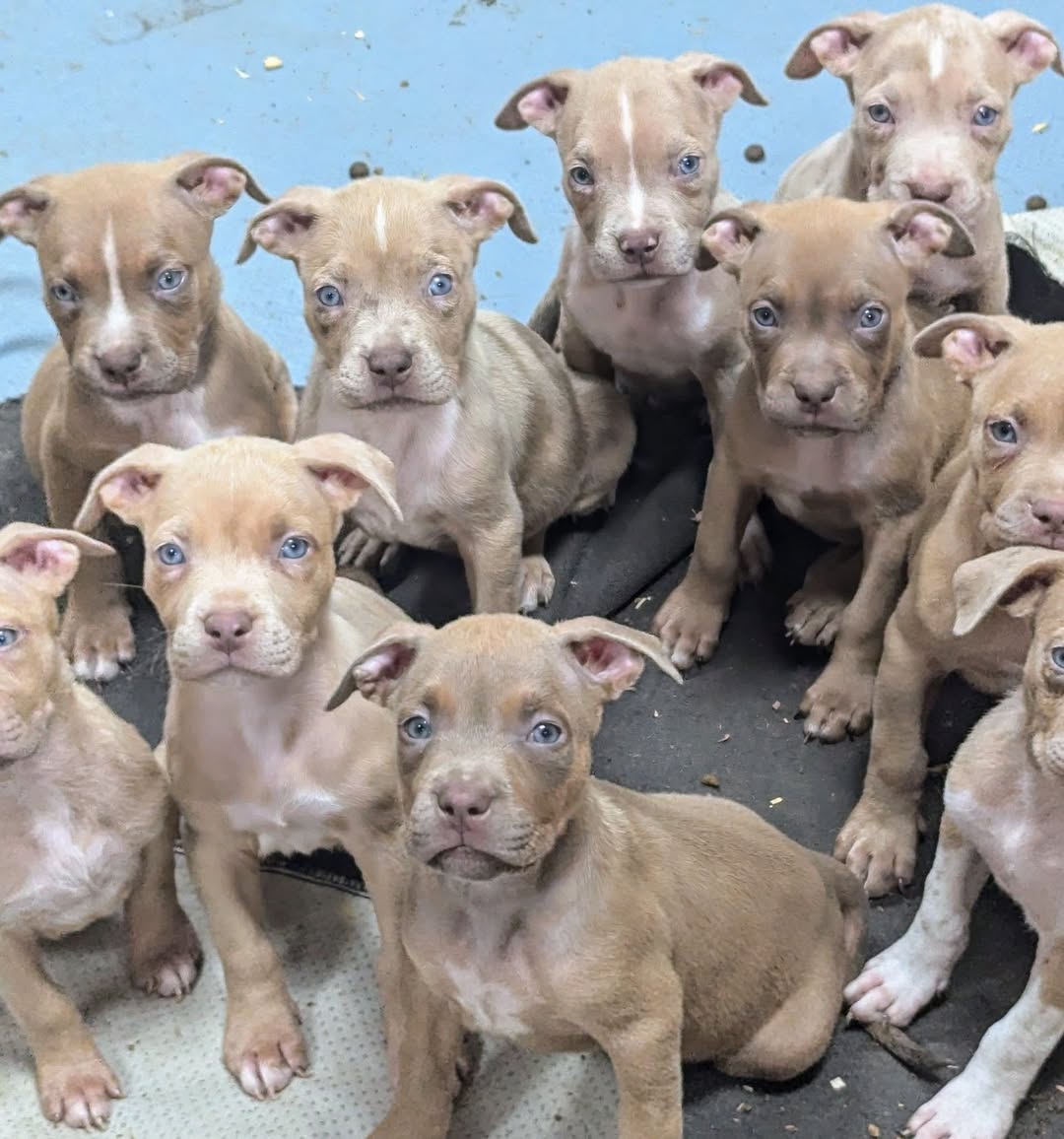
A proven XL Bully sire is not simply the biggest dog in the yard or the male with the loudest pedigree. He is a complete producer – a dog with the structure, health clearances, temperament, and track record to improve a breeding program while creating puppies families can confidently bring home.
For serious American Bully breeders, selecting the right stud shapes far more than one litter. It affects consistency, buyer confidence, kennel reputation, and the direction of every future generation. A powerful head, wide chest, heavy bone, and rare color may catch attention, but the right sire must bring substance behind the image.
What Makes a Proven XL Bully Sire?
“Proven” should mean more than a successful breeding. A quality XL Bully stud has demonstrated that he can produce puppies with desirable traits across more than one female and, ideally, across females with different strengths and weaknesses. His offspring should show predictable type: correct XL size, athletic yet heavy structure, strong toplines, clean movement, broad chests, and the affectionate, stable personality American Bullies are known for.
A sire’s own appearance matters, but production matters more. Some impressive males do not reliably pass on their best traits. Others may not have the flashiest photo, yet consistently throw the thick heads, massive frames, correct rear assemblies, and family-friendly temperaments breeders want to build around.
A truly proven stud program gives breeders the chance to review adult offspring, not only newborn puppy pictures. Ask to see dogs from earlier litters at different ages. Puppies change quickly, especially in an XL program. The goal is to understand what that sire produces at eight weeks, six months, and full maturity.
Structure Must Come Before Hype
The XL American Bully should look powerful without looking unsound. An oversized dog with weak pasterns, poor movement, flat feet, or an unstable rear may photograph well but can create costly problems in a breeding program. Size has value only when it is carried on a functional frame.
Look closely at the sire’s overall balance. He should have a broad, masculine head without exaggerated features that affect breathing or eye health. His neck should be strong and properly set, flowing into a wide chest and defined shoulders. A level or near-level topline, solid bone, correct feet, and a well-developed rear help support the dog’s mass and movement.
Movement tells the truth. A quality stud should move with confidence, not struggle under his own weight. He does not need to move like a sporting breed, but he should be coordinated, stable, and comfortable. This matters especially when breeding for massive XL and XXL-style dogs. More size demands more structural integrity.
It also depends on the female. If she is exceptionally wide but needs cleaner movement, select a male known for correct rear structure and athletic balance. If she is refined in bone, a heavier-boned sire may be a smart match. Breeding is not about doubling the same feature. It is about making a thoughtful pairing that strengthens what is already there.
Health Testing Protects the Program
No responsible breeding decision should rely on looks and pedigree alone. A proven XL Bully sire should have appropriate health screening documented before breeding. That can include DNA testing for inheritable conditions relevant to the breed and bloodline, as well as veterinary evaluation of hips, elbows, heart health, eyes, and reproductive soundness where appropriate.
Health results do not promise that every puppy will be perfect. Genetics are complex, and no breeder can make guarantees beyond what responsible care and honest selection allow. But health testing gives breeders better information, helps avoid preventable risks, and shows respect for the families investing in a puppy.
Temperament belongs in this conversation too. The ideal XL Bully is confident, affectionate, manageable, and stable around people. A large, muscular dog must have a clear, social temperament. He should be able to handle normal kennel activity, visitors, and routine care without unnecessary reactivity or unstable behavior.
At Showtime Bullies, the goal is not only to produce a striking American Bully. It is to produce dogs with the presence to turn heads and the temperament to settle in with the family at home.
Pedigree Depth Is About More Than Famous Names
Gotty, Razor’s Edge, Greyline, and other recognizable bloodlines can add real value when they are used with knowledge. They may point to certain traits, such as bully type, head shape, mass, color potential, or consistent family temperament. Still, a name in the pedigree does not automatically make a sire a good fit.
Study the dogs behind the names. Look for consistent quality through multiple generations, not one popular ancestor repeated on a registration. Review the pedigree alongside actual photos, adult offspring, health information, and the sire’s own production record.
A strong pedigree should help answer practical questions. Does this line reliably produce XL height and heavy bone? Does it preserve a clean, correct outline? Are the offspring known for stable temperaments? Does the line have a history of skin concerns, weak rears, or exaggerated features that require careful selection?
Linebreeding can help lock in desired traits when done responsibly, but it can also concentrate unwanted traits. That is why pedigree analysis must be paired with health information and honest evaluation of the dogs themselves. The best match is rarely based on a famous name alone.
Color Genetics Should Support, Not Lead, the Pairing
Lilac tri, blue tri, merle, champagne, and other standout colors make an XL Bully litter highly sought after. There is nothing wrong with breeding for color when the pairing is responsibly planned. The mistake is making color the only standard.
A rare-colored puppy with weak structure or unstable temperament does not strengthen a kennel. A proven sire should bring quality first, then offer color genetics as an added advantage. Ask what colors he has produced, what he carries, and how those genetics pair with the female. Accurate genetic testing is more reliable than assumptions based on coat appearance.
Merle pairings require particular care. Responsible breeders avoid breeding merle to merle because of the increased risk of serious health concerns associated with double-merle puppies. The goal is always a bold, beautiful litter without compromising the well-being of the dogs.
Questions to Ask Before Booking a Stud
Before committing to a breeding, get clear answers. You should know the sire’s registration status, health testing, age, breeding history, litter record, and the traits he consistently produces. Request current photos and video, not only edited promotional images. If possible, review mature offspring and speak directly about the strengths and limitations of the dog.
Also clarify the business side before the breeding takes place. A professional stud agreement should outline the stud fee, collection or breeding method, timing, repeat-breeding policy, registration requirements, and what happens if the female does not conceive. These details protect both kennels and prevent confusion when the breeding schedule becomes time-sensitive.
A good sire owner will ask questions about your female, too. That is a positive sign. The best breeders do not breed every female to every available male. They want to know her age, pedigree, health status, structure, temperament, and breeding goals before recommending a match.
Build for Puppies People Will Be Proud to Own
The strongest breeding decisions begin with a vision that goes beyond the sale. Picture the adult dogs your litter will become: powerful but sound, impressive but manageable, loyal with children, confident with their families, and built with the unmistakable XL American Bully presence buyers expect.
Choose a sire whose offspring support that vision. The right dog can add size, headpiece, muscle, color, pedigree value, and market appeal. More importantly, he can add consistency. That is what separates a one-time flashy litter from a breeding program people recognize, trust, and come back to for years.