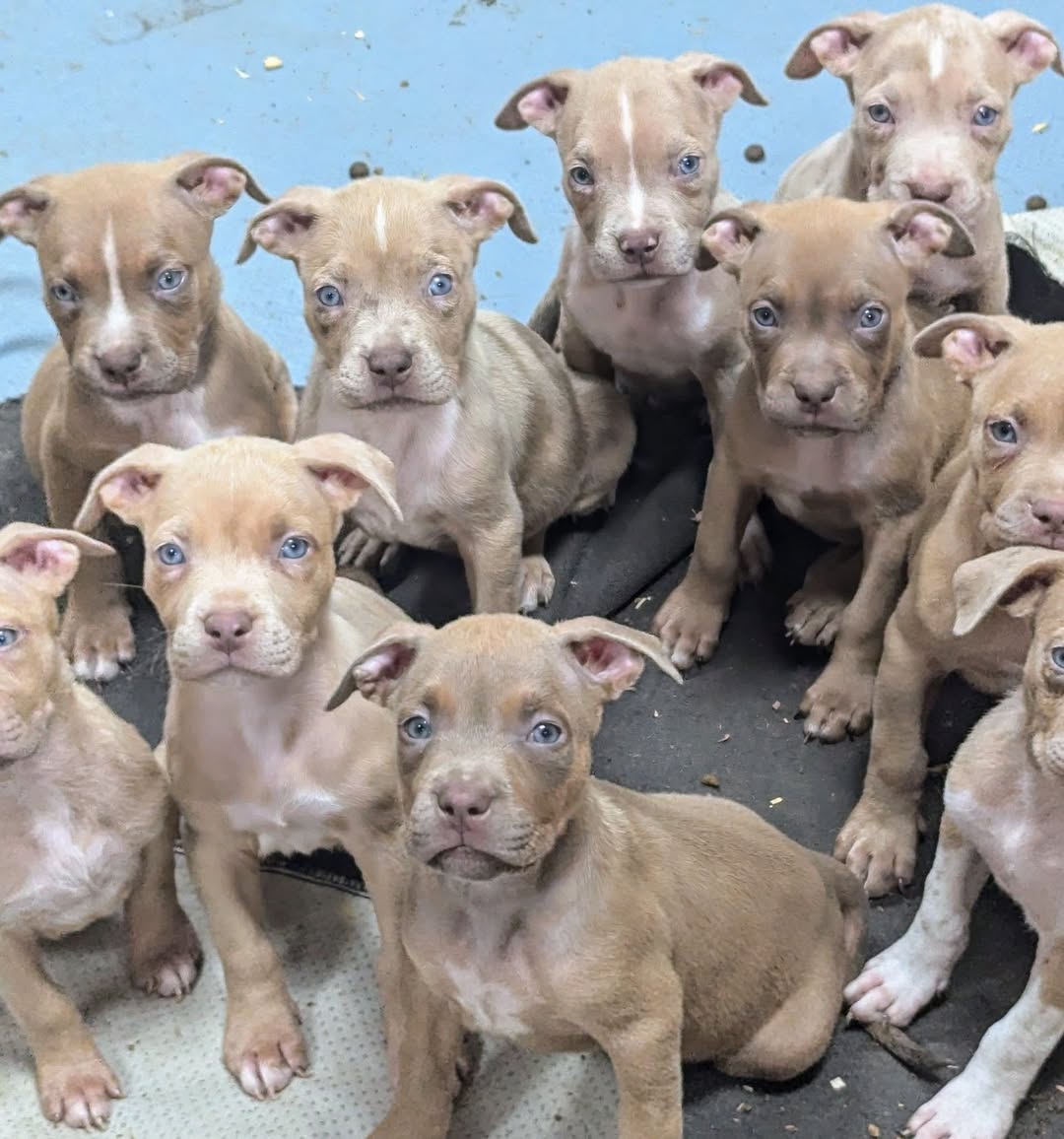
A standout XL American Bully can turn heads before he ever steps out of the truck. But before color, size, pedigree, or that unmistakable muscular headpiece takes center stage, buyers need to understand one decision that shapes the entire purchase: pet home vs breeding rights. The choice affects what you pay, how the dog is registered, whether future litters are permitted, and the responsibility you take on after your puppy comes home.
For many families, a pet-home puppy is the clear fit. For experienced kennel owners building a serious program, breeding rights may be worth the additional investment. Neither option is automatically better. The right choice comes down to your goals, experience, resources, and willingness to protect the future of the breed.
What Does Pet Home Mean?
A pet-home agreement means the puppy is sold as a companion rather than as breeding stock. The buyer receives a loving, high-quality American Bully with the same potential for loyalty, presence, and family connection as any other puppy in the litter. What changes is the breeding permission.
In most pet-home arrangements, the dog is not to be bred. The registration paperwork may be limited, marked accordingly, held until proof of sterilization is provided, or handled under another condition clearly stated in the purchase agreement. The exact terms depend on the breeder and the registry, so the written contract matters more than assumptions.
A pet-home puppy is not a “lesser” puppy. Families often choose pet homes because they want the complete experience of raising an exceptional dog without turning that dog into a business or a breeding decision. A well-bred XL or XXL American Bully can be a powerful visual statement and a gentle, affectionate member of the home at the same time.
Pet-home placement also allows a breeder to protect carefully developed bloodlines. Producing dogs with impressive structure, stable temperament, health-conscious pairings, and distinctive color takes years of planning. Restricting breeding rights helps ensure those genetics are only carried forward by owners prepared to meet the standard.
Who Is a Pet-Home Puppy Best For?
Pet homes are usually the strongest choice for buyers who want a devoted companion, a family dog, or a loyal presence with serious American Bully appeal. If your vision includes walks, training, couch time, trips with the family, and a dog raised around children and everyday life, you likely do not need breeding rights.
This option is also smart for first-time Bully owners. Even buyers with years of dog experience may find responsible breeding far more demanding than expected. A breeding program requires more than owning a beautiful female or having access to a well-known male. It involves health testing, timing, veterinary care, pregnancy management, emergency planning, puppy socialization, screening homes, contracts, and long-term accountability for every puppy produced.
What Are Breeding Rights?
Breeding rights give the buyer permission to breed the dog under the terms laid out by the breeder. Depending on the agreement, those rights may include full registration with organizations such as ABKC or UKC, the ability to advertise the dog as breeding stock, and the ability to register qualifying litters.
This is why breeding-rights puppies generally cost more than pet-home puppies. The added price reflects more than paperwork. It reflects the value of the pedigree, the breeder’s investment in selecting the pairing, the dog’s potential contribution to future generations, and the commercial opportunity attached to those genetics.
With breeding rights, you are purchasing potential, not a guarantee. A puppy may come from champion bloodlines and show outstanding early structure, but responsible breeders know no puppy can promise adult size, color production, fertility, show success, or a profitable breeding career. Development, health clearances, training, nutrition, and mature temperament all matter.
Breeding Rights Come With Real Obligations
A breeding-rights dog should be treated as the foundation of a program, not as a shortcut to a litter. Serious breeders evaluate their dogs when they are mature enough, complete appropriate health screening, understand the strengths and weaknesses in the pedigree, and choose mates that improve the next generation.
That means looking beyond a rare color or a massive frame. Color can be exciting. Big heads, wide chests, heavy bone, and a commanding look are part of what draws people to premium American Bullies. Still, a responsible pairing must give equal weight to sound movement, breathing, skin health, temperament, genetic compatibility, and the mother’s ability to safely carry and raise puppies.
A buyer considering breeding rights should also be ready for the financial side. Veterinary reproductive care, progesterone testing, stud fees, shipping semen when applicable, prenatal care, C-sections, neonatal supplies, vaccines, deworming, registration, food, and emergency expenses can add up quickly. The work does not end when puppies are born. The strongest programs stay involved with their puppy families long after pickup day.
Pet Home vs Breeding Rights: Key Differences
The biggest difference between pet home vs breeding rights is permission. A pet-home buyer brings home a companion and agrees not to breed that dog. A breeding-rights buyer has contractual permission to breed, subject to the terms of the agreement and applicable registry rules.
Price is another major difference. Breeding rights cost more because the buyer is acquiring access to proven or promising genetics. A pet-home price is often lower because it reflects companionship rather than future breeding use. Buyers should be cautious about treating the price gap as a simple upsell. It is an investment only when the buyer has a legitimate plan, the right education, and the ability to follow through responsibly.
Registration can differ as well. Some breeders provide full registration with breeding rights and limited registration for a pet home. Others may transfer registration only after specific conditions are met. Ask exactly what registry documents are included, what type of registration is provided, and whether there are restrictions on transfer, breeding, or stud advertising.
Finally, the two choices lead to very different lifestyles. A family companion can still require training, socialization, exercise, quality nutrition, and consistent leadership. A breeding dog requires all of that plus the operational demands of a kennel program. For females, breeding also carries physical risks that should never be minimized. For males, owning a stud means managing access, temperament, contracts, and the reputation tied to every breeding.
Questions to Ask Before You Choose
Before placing a deposit, have a direct conversation with the breeder. Ask whether the puppy is sold with pet-home terms or full breeding rights, what the contract says about sterilization, what registration is included, and whether there are any age or health requirements before breeding is allowed.
If you are purchasing a female for a future program, ask about the dam’s breeding history, health testing, whelping outcomes, and the support available if you need reproductive guidance. If you are purchasing a male, ask about the pedigree, the breeder’s expectations for stud use, and whether the male has qualities that genuinely add value to the breed beyond a popular color or famous name.
You should also ask yourself a few hard questions. Do you have a mentor or established breeding plan? Can you afford an unexpected veterinary emergency? Are you prepared to keep a puppy longer if the right home is not ready? Can you say no to a sale when a buyer is not a good fit? Those answers matter more than social media attention or the idea of a quick return on investment.
Choosing the Right Path for Your American Bully
At Showtime Bullies, the goal is to place exceptional American Bullies where they can thrive, whether that means a family home or a focused breeding program. The best placement honors the individual dog and protects the standard behind the bloodline.
Choose a pet-home puppy if your priority is companionship, family life, and owning a powerful yet loving Bully without the demands of a breeding operation. Choose breeding rights only when you are prepared to build with purpose, invest in proper care, and make every pairing with the next generation in mind.
The right puppy agreement should feel clear, fair, and aligned with the life you want to give your dog. Ask the questions early, read the contract closely, and choose the path that lets your American Bully be valued for far more than what it can produce.