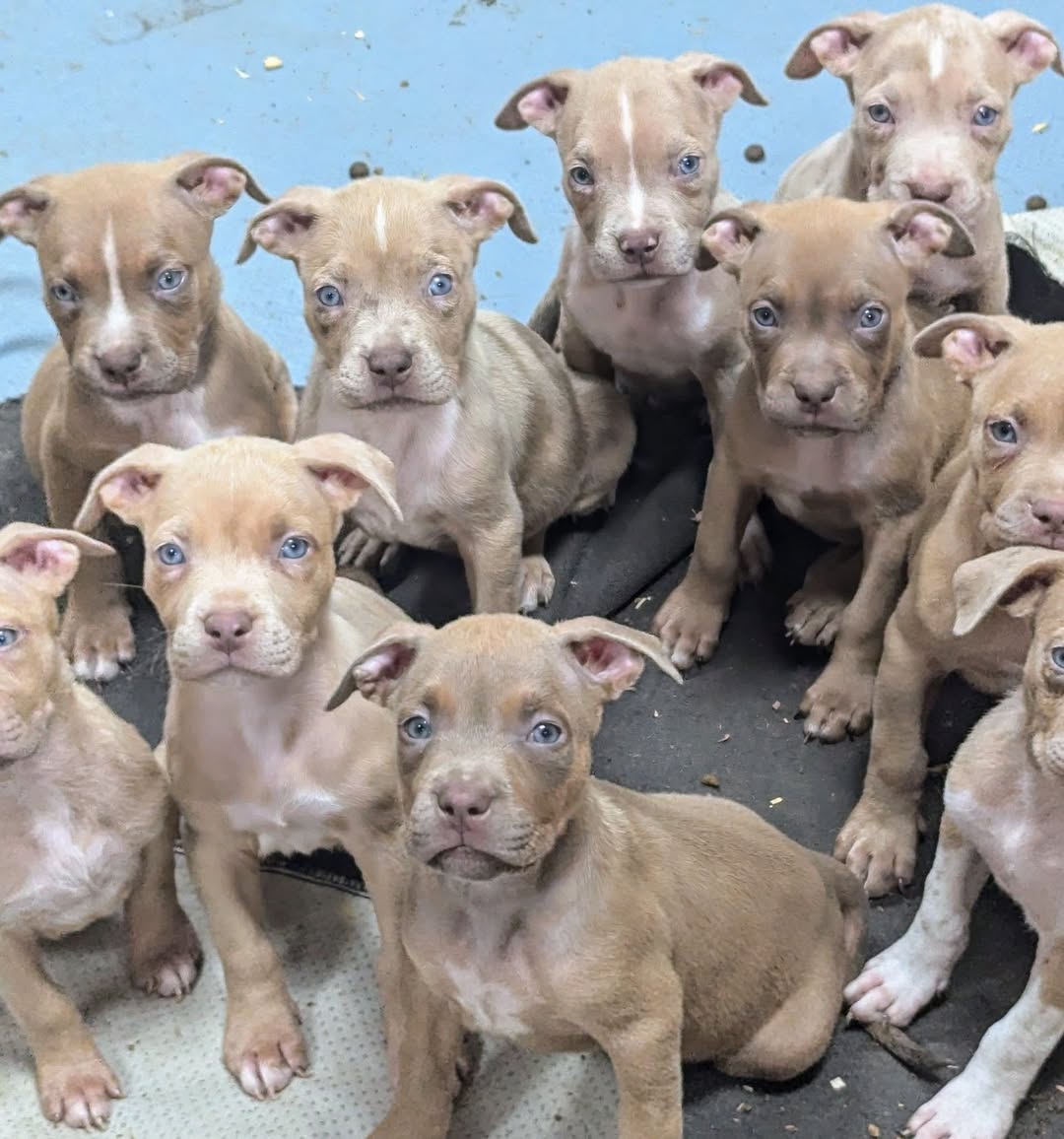
A flashy color, huge head, and thick bone can catch your eye fast. But when you are investing in an XL or XXL American Bully, the paperwork tells the deeper story. Knowing how to read ABKC papers helps you look past a photo and understand a dog’s registered identity, pedigree, breeding background, and whether the documents match the puppy in front of you.
For serious families and breeders, ABKC paperwork is not just a stack of documents to file away. It is part of the proof behind a dog’s bloodline and a starting point for better questions about structure, temperament, health testing, and long-term breeding value.
What ABKC Papers Actually Tell You
ABKC stands for the American Bully Kennel Club, a registry created specifically around the American Bully breed. An ABKC registration certificate identifies a dog within that registry and connects the dog to its recorded pedigree.
A genuine certificate generally includes the dog’s registered name, ABKC registration number, date of birth, sex, color, sire and dam, breeder information, and owner information. It may also identify the dog’s variety or class, depending on how the dog was registered. These details are valuable because they establish a documented trail from the puppy back to its parents and earlier generations.
That said, registration is not a blanket guarantee of quality. Papers do not automatically prove that a dog has excellent temperament, correct structure, clear health testing, or responsible care. They verify registry information. A strong breeder should be prepared to discuss the complete dog, not use a registration certificate as a substitute for transparency.
How to Read ABKC Papers Line by Line
Start at the top of the document and make sure the registry is clearly identified as ABKC. Look for the official registration number, then compare every identifying detail to the puppy or adult dog being represented.
Check the Registered Name and Registration Number
The registered name may be different from the dog’s everyday call name. A puppy called “Titan” at home, for example, could have a longer registered name that includes the kennel name, bloodline reference, or a distinctive title. That is normal.
The registration number is more important than a flashy registered name. It is the dog’s specific record number within the registry. Ask the breeder for a clear copy of the certificate and confirm that the number is readable. If you are buying a breeding prospect or making a major investment, verify the registration status directly through the appropriate registry process before money changes hands.
Be cautious when someone only sends a cropped image, hides the registration number without explanation, or provides paperwork with details that do not match the dog. Privacy around personal addresses is understandable. Missing dog information is not.
Match the Dog’s Basic Information
Look closely at the dog’s date of birth, sex, color, and breeder. The age listed on the paperwork should match the puppy’s stated birthday and the timeline for vaccinations, weaning, and pickup.
Color descriptions can be broader than the language used in advertisements. A breeder may describe a puppy as lilac tri, blue tri, champagne, or merle based on appearance and genetics, while the registration certificate uses a simpler color category. That difference alone is not necessarily a red flag. Still, the overall identity of the puppy should make sense. A male puppy should not have paperwork identifying a female, and a puppy advertised as eight weeks old should not have a birth date from the prior year.
Also confirm the breeder name when possible. In premium American Bully programs, kennel reputation matters because a breeder’s standards, pairings, socialization, and recordkeeping affect far more than a dog’s look.
Read the Sire and Dam Information
The sire is the father. The dam is the mother. On ABKC papers, their names and registration information form the foundation of the pedigree.
Ask to see the sire and dam’s documentation as well, especially if a breeder is promoting champion bloodlines, elite studs, massive XL size, rare color genetics, or a well-known family of dogs. The names on the puppy’s certificate should match the names the breeder uses when discussing the litter.
This is where buyers often get excited about recognizable bloodlines such as Gotty, Razor’s Edge, or Greyline. Those names can be meaningful pieces of American Bully history, but a famous name appearing somewhere in a pedigree does not automatically predict the exact outcome of every puppy. Look at the whole picture: the parents’ build, movement, temperament, health background, and consistency across related dogs.
Understand the Pedigree, Not Just the Names
A pedigree is a family tree. It typically shows multiple generations, with the sire’s lineage on one side and the dam’s lineage on the other. Each generation gives you context about where a dog’s traits may come from.
When reviewing a pedigree, notice whether the same influential dogs appear repeatedly. Linebreeding can be used to concentrate desired traits such as size, head type, muscle, structure, or a dependable family temperament. It can also increase the need for a breeder who understands genetics and makes responsible pairing decisions. More repetition is not automatically better or worse. The value depends on the quality of the dogs involved and the care behind the breeding plan.
For pet buyers, the pedigree should help you understand your puppy’s background. For breeders, it becomes a strategic document. You may look for complementary bloodlines, avoid overly close pairings, assess consistency, and consider whether the pedigree supports your goals for type, athleticism, health, and temperament.
Registration Certificate or Registration Application?
This is one of the most important distinctions to understand. Some puppies leave with a completed ABKC registration certificate already in their name. Others leave with an ABKC puppy registration application or transfer paperwork that the new owner must complete.
Neither situation is automatically a problem. It depends on the breeder’s process, the litter’s registration status, and the registry’s requirements. What matters is clarity. Before leaving a deposit, ask exactly which documents you will receive, when you will receive them, whether there are transfer fees, and what steps are required to place the puppy in your name.
Do not assume that “ABKC registered” means the final certificate is already issued to you. Get the paperwork arrangement in writing as part of your purchase agreement. A professional breeder should explain the process plainly and answer questions without pressure.
What ABKC Papers Do Not Show
A pedigree can be impressive, but it cannot show you everything a responsible buyer needs to know. It does not replace a health conversation, veterinary records, a purchase contract, or time spent evaluating the puppy’s behavior.
Ask about age-appropriate vaccinations and deworming, health screening performed on the parents, feeding routine, early socialization, and any known concerns in the line. If you are looking for a family companion, watch how the puppy responds to people, handling, sounds, and littermates. The biggest, boldest puppy is not always the best fit for every home.
For a future breeding dog, go deeper. Discuss structural strengths and weaknesses, mature size expectations, temperament, DNA testing where relevant, and the breeder’s experience with the specific pairing. A responsible program values powerful, muscular American Bullies without losing sight of stable minds, functional movement, and quality care.
Red Flags to Watch for When Reviewing Papers
A buyer should slow down if names, dates, sex, or color details do not line up with the puppy being sold. The same applies if a seller cannot explain whether the documents are certificates, applications, or transfer forms.
Other concerns include claims of registration with no paperwork available, a pedigree that is unreadable or altered, pressure to pay before seeing documentation, and promises that papers alone prove health or future size. Be especially careful with claims that a puppy is guaranteed to become an extreme XXL adult. Genetics, nutrition, development, and individual variation all play a role.
A reputable breeder welcomes informed questions. At Showtime Bullies, the goal is to pair families and serious enthusiasts with American Bullies backed by documented bloodlines, hands-on raising, and the kind of confident, loyal temperament that belongs in a real home.
Bring the Papers Into the Bigger Decision
The best buyers use ABKC paperwork as one part of a complete evaluation. Confirm the puppy’s identity, study the sire and dam, understand the pedigree, and get clear on the registration transfer process. Then look at the living conditions, the breeder’s communication, the puppy’s health records, and the way the dogs interact with people.
A strong pedigree can add real confidence to your decision, especially when it is supported by honest answers and well-raised dogs. Take your time, read every line, and choose the bully whose paperwork and real-world quality tell the same story.