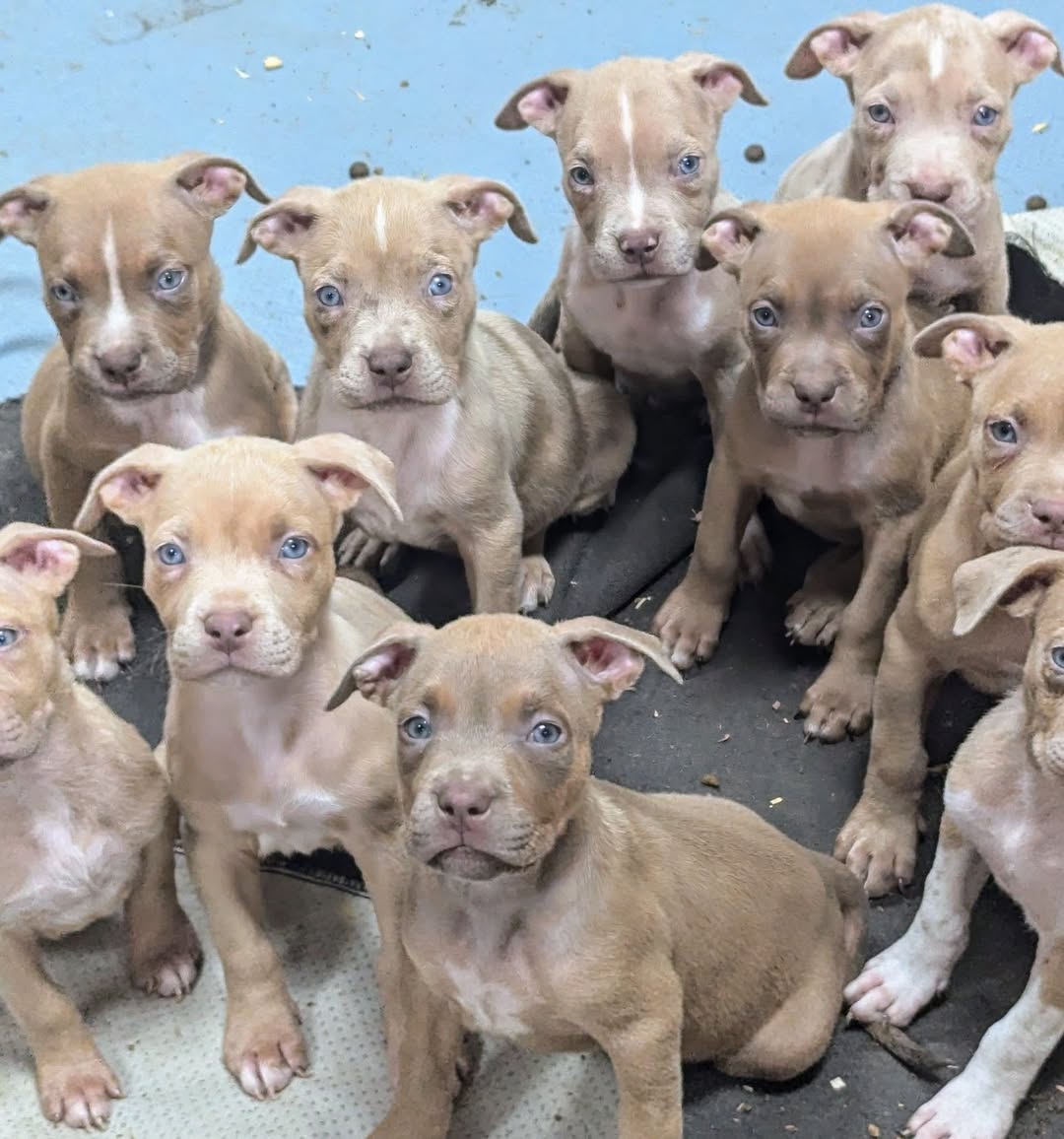
A young XL Bully can go from a round, clumsy puppy to a powerful adolescent faster than most new owners expect. That is why this first year XL Bully guide focuses on the decisions that shape the dog behind the size: structure, confidence, obedience, health, and the ability to settle comfortably with the family.
An XL American Bully should never be raised to look intimidating at the expense of temperament. The goal is a muscular, impressive companion with a clear head, stable manners, and a strong bond with the people who lead him. Premium bloodlines and standout color may catch attention, but daily consistency is what produces a dog you can proudly live with for years.
First Year XL Bully Guide: The Foundation Months
The first few weeks at home are about routine, not testing limits. Give your puppy a quiet sleeping space, scheduled meals, frequent potty breaks, and short periods of supervised exploration. Puppies need security before they need freedom. A predictable day helps them understand where to rest, where to go potty, and how to look to you for direction.
Crate training can be a major advantage when it is introduced as a calm, positive space rather than a punishment. It supports house training, safe travel, and the ability to settle when visitors arrive or the household gets busy. Start with short, successful sessions. Leaving a puppy confined too long can create frustration, especially in a social, people-oriented breed.
This is also the right time to establish household rules. Decide whether your dog is allowed on furniture, where meals happen, how guests should greet him, and which doors require a sit before exiting. Everyone in the home should follow the same standards. A 20-pound puppy that jumps up may seem harmless. A mature XL Bully doing the same thing is a different situation.
Feed for Healthy Growth, Not Fast Growth
XL Bullies are built to carry serious muscle and bone, but a growing puppy does not need to be pushed to become huge as quickly as possible. Overfeeding and unnecessary supplements can put strain on developing joints and make it harder to keep a lean, athletic outline.
Choose a complete puppy food appropriate for large, growing dogs, and follow feeding guidance with your veterinarian based on the puppy’s age, body condition, activity level, and expected adult size. The correct amount changes often during the first year. You should be able to feel the ribs with light pressure without seeing a sharp, underfed appearance.
Most young puppies do best with several measured meals each day, then gradually transition to fewer meals as they mature. Fresh water should always be available. Treats are useful for training, but they count toward the daily intake. Use small, soft rewards and keep training sessions focused so your pup does not consume a full meal while learning “sit.”
Avoid trying to build mass with random high-calorie add-ons, human food, or bodybuilding-style supplements. A thick, powerful adult comes from genetics, balanced nutrition, sound conditioning, and time. Growth plates cannot be rushed safely.
Train the Mind Before the Body Gets Big
An XL Bully puppy does not need harsh handling. He needs clear communication, repetition, and fair boundaries. Reward-based training builds engagement and teaches the puppy that listening brings good things. Corrections, if needed, should be timely, calm, and never confusing or physical.
Start with the practical commands that matter in a real home: name recognition, sit, down, stay, come, leave it, place, and a loose-leash walk. “Place” is especially valuable for a large family dog. It gives him a defined job when food is being served, kids are moving through the house, or company comes to the door.
Recall deserves extra attention. Practice it indoors, then in a fenced area using a long line before expecting reliability around distractions. Never call your puppy to you only for something unpleasant, such as ending all fun or giving a bath. Build the idea that coming to you is always worth it.
Mouthiness is normal in young puppies, but it should be addressed early. Redirect biting to an appropriate toy, stop play briefly when teeth touch skin, and reward calm interaction. Do not encourage hand wrestling or rough games that will be difficult to manage when your dog is fully grown.
Socialization Is More Than Meeting Every Dog
A well-socialized XL Bully is not necessarily the dog who runs up to every person and dog. The real goal is neutrality: your puppy can see new things, remain composed, and take direction from you.
During the early socialization window, introduce your pup to everyday life at a controlled pace. Let him experience different floor surfaces, car rides, calm children, hats, wheelchairs, friendly adults, grooming tools, veterinarians, and household sounds. Pair new experiences with praise and treats, but do not force him into situations that overwhelm him.
Dog interactions should be selective. A calm, vaccinated, socially appropriate adult dog can teach better manners than a chaotic group of unfamiliar dogs. Watch body language closely. Loose movement, soft eyes, and easy disengagement are good signs. Stiff posture, repeated avoidance, excessive pinning, or relentless play means it is time to step in.
For families with children, supervision is non-negotiable. Teach children not to climb on the puppy, disturb him while eating or sleeping, pull ears, or treat him like a ride-on toy. Teach the puppy to settle around kids, and give him a quiet place where he can rest undisturbed.
Exercise That Protects Developing Joints
The first year is not the time for forced runs, long roadwork sessions, repetitive stair climbing, or high-impact jumping. A puppy may look strong, but joints, tendons, and growth plates are still developing. Too much intensity can create avoidable wear before the dog reaches maturity.
Short leash walks, free play on safe footing, gentle incline walks as advised by your veterinarian, and low-impact confidence work are better choices. Let your puppy sniff. Mental work can tire a young dog more effectively than trying to exhaust him physically.
As adolescence arrives, energy can rise while impulse control temporarily disappears. This is normal, but it is not a reason to give up structure. Keep training sessions short, continue leash practice, and give the dog productive outlets such as food puzzles, obedience drills, scent games, and supervised play. Exercise needs vary by individual, so adjust according to your dog’s condition and recovery, not just his age on paper.
Health Care and Grooming Build Trust
Keep every veterinary appointment, vaccine schedule, parasite prevention plan, and health record organized from day one. Discuss age-appropriate screening, nutrition, growth, and any concerns about gait, skin, digestion, or behavior with your veterinarian. If your puppy suddenly limps, becomes unusually tired, refuses food, or shows repeated vomiting or diarrhea, do not wait for internet advice to solve it.
Regular handling is part of health care. Touch paws, inspect ears, brush the coat, gently examine the mouth, and reward cooperation. This makes nail trims, bathing, and future veterinary care less stressful. American Bullies often have short coats, but clean skin, wrinkle care where needed, proper nails, and dental attention still matter.
Maintain a healthy weight through adolescence. Extra pounds can hide a puppy’s developing structure and add pressure to joints. Your veterinarian and a reputable breeder can help you evaluate body condition without chasing an unrealistic look during growth.
Your First Year XL Bully Guide for Ownership Beyond Home
Before bringing home a large-breed dog, check local regulations, landlord rules, homeowners or renters insurance requirements, and travel policies. Rules may apply to how a dog is described, where he can live, or what documentation is required. Responsible ownership includes knowing the expectations before they become a problem.
Registration paperwork, vaccination records, purchase documents, and microchip information should be stored in one secure place. If you plan to show, breed, or participate in organized events later, keep pedigree and health records complete from the beginning. Breeding should never be treated as an automatic next step just because a dog is impressive. Mature temperament, health, correct structure, pedigree knowledge, and ethical responsibility all matter.
A quality breeder should remain a resource as your puppy grows. At Showtime Bullies, the standard is not simply producing massive, eye-catching dogs. It is helping families start with an American Bully that has the social foundation and pedigree behind a confident companion.
Your puppy will not stay small for long, but the habits you build now will stay with him. Lead with patience, train for the life you actually live, and give that powerful young Bully a reason to trust your direction every day.