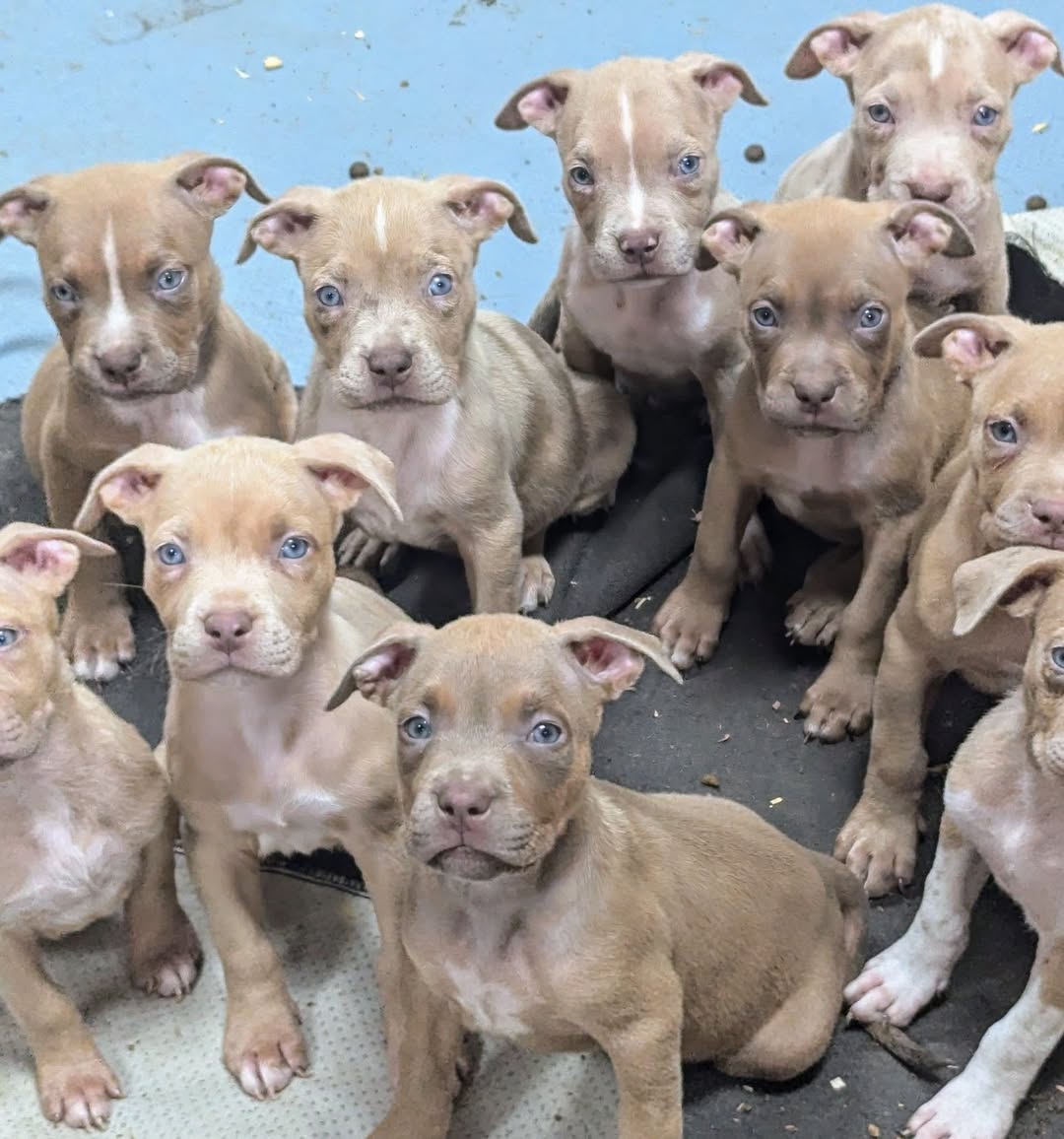
A powerful head, wide chest, heavy bone, and unmistakable presence may get attention, but elite bully stud dogs are built on far more than a standout photo. A true breeding male must consistently bring structure, stable temperament, proven genetics, and the ability to improve the female he is paired with. For serious American Bully breeders, a stud choice can shape an entire program for years.
The right male can add mass, cleaner movement, a stronger topline, a more expressive headpiece, or a desirable color pattern. The wrong choice can magnify weaknesses that were already present. That is why a premium stud program should never be based on hype, color alone, or the biggest dog in the yard.
What Makes Bully Stud Dogs Worth Breeding
A high-level American Bully stud should look impressive in person and make sense on paper. His pedigree matters because it provides context for what he may produce, including the consistency of size, head shape, body type, drive, temperament, and color genetics behind him. Recognized bloodlines can be valuable, but the individual dog still has to earn his place in a breeding program.
Structure is where real quality shows. A male should carry his size with balance, not move like his body is too much for his frame. Look for a solid, level or appropriately set topline, correct front and rear assembly, a strong rear, proper feet, and movement that is confident rather than restricted. Extreme width may look dramatic in a stacked photo, but a dog that cannot move cleanly or breathe comfortably is not an improvement.
Temperament carries just as much weight. The best American Bullies can be imposing without being unstable. They should be alert, affectionate with their people, manageable in a kennel environment, and capable of settling around normal daily activity. A confident, family-raised dog with a sound mind is more valuable than a flashy male with unpredictable behavior.
At Showtime Bullies, the goal is not simply to produce large dogs. It is to build massive, muscular American Bullies with the loyalty, social stability, and family compatibility buyers expect from a well-raised companion.
Pedigree Depth Is More Than a Famous Name
A recognizable pedigree can draw interest, especially when it includes respected Gotty, Razor’s Edge, Greyline, or other established American Bully influences. Still, pedigrees should be read as a breeding map, not as a shortcut to quality. Ask what the dogs behind the stud actually produced. Did they consistently throw body, bone, correct heads, reliable temperaments, and sound movement? Are there repeated traits in the line that need careful management?
A strong pedigree also helps breeders avoid doubling up on faults. If a female has a soft topline, narrow rear, weak pasterns, or an overly short muzzle, pairing her to a male with the same issue is not a smart gamble. The best pairing is often the one that brings complementary strengths rather than matching two dogs because they share a popular bloodline or a trending color.
This is especially true with XL and XXL American Bullies. Size is part of the appeal, but size without proportion can create problems. A well-built large male should have the bone, chest, rear power, and overall balance to support his frame. Breeding for maximum height or weight at all costs is not the same as breeding for an elite, commanding dog.
Health Screening Protects the Program
No breeder can promise that every puppy will be free of every health issue. Genetics are complex, and responsible breeding requires honesty about that reality. What a quality stud program can do is reduce avoidable risk by using meaningful health information before a breeding takes place.
Health screening should fit the dog, the pedigree, and the planned pairing. Hip and elbow evaluations, cardiac screening, and DNA testing for relevant inherited conditions are practical places to start. A detailed review of the dog’s physical condition, breathing, skin, eyes, reproductive health, and family history is equally important. A dog can have an impressive build and still be a poor breeding candidate if he has unresolved health concerns or a history that raises questions.
Breeders should also consider the female’s health profile. A stud is not automatically a match simply because he is available, attractive, or popular. Responsible breeding means looking at both sides of the pedigree and choosing a pairing that supports healthier, better-balanced puppies.
Vaccination records, parasite prevention, veterinary care, and a clean breeding environment matter after the genetic decisions are made. They are not glamorous topics, but they are part of the professional standard behind a healthy litter.
Structure, Color, and Temperament Must Work Together
Desirable colors such as lilac tri, blue, champagne, and merle can make a litter stand out. For many families and breeders, color is part of what makes an American Bully unforgettable. But color should be the finishing touch, not the entire breeding plan.
A beautiful coat does not correct poor movement, weak structure, or an unsound temperament. The strongest programs prioritize the whole dog first: health, type, balance, temperament, pedigree, and then color potential. When those priorities are in the right order, breeders can pursue distinctive looks without sacrificing the traits that make a dog a lifelong companion.
Merle pairings deserve particular care. Color genetics should be understood before a breeding is planned, and pairings should be selected responsibly. A breeder who can explain the genetics, the purpose of the pairing, and the expected range of puppies is offering far more than a color-based sales pitch.
Temperament also influences a litter in ways that matter to real homes. Families want a dog that looks like a powerhouse but can relax with its people, learn routines, and grow into a loyal member of the household. Early handling and socialization are essential, yet they work best when supported by stable genetics from both parents.
Choosing the Right Stud for Your Female
Before booking a stud, take an honest look at the female. Identify her strongest features and the areas where she needs improvement. Is her head strong but her rear needs more power? Does she have excellent movement but need more bone and chest? Is her temperament exceptional, while her pedigree could benefit from greater consistency in type?
Then evaluate the male with the same honesty. A quality breeder should be able to discuss not only a stud’s strengths, but also which females suit him best. Every great male has a type of female that complements him. If someone claims a single dog is the perfect answer for every female, that is a reason to slow down.
Ask to see clear, current photos and video of the male standing and moving. Review registration information, pedigree details, health records, and examples of prior offspring when available. If the stud has produced before, his puppies may reveal more about his value than any individual promotional photo can. Look for consistency across litters, especially in head shape, body, bone, rear strength, movement, and overall presence.
Stud service logistics also deserve a direct conversation. Confirm the breeding method, timing expectations, collection and shipping procedures if chilled or frozen semen is involved, contract terms, rebreeding policies, and what documentation will be provided. Clear communication protects both breeders and keeps the focus where it belongs: producing a planned, well-supported litter.
A Great Stud Is Only Half of a Great Litter
The male receives plenty of attention, but the female is at least half of every breeding decision. Her health, structure, maternal temperament, pedigree, and ability to carry and raise puppies are foundational. Strong breeding programs do not use females as an afterthought. They select them with the same care used to choose a flagship stud.
The environment after breeding matters, too. Puppies benefit from attentive care, proper nutrition, veterinary oversight, age-appropriate vaccinations, clean housing, and early socialization. A well-bred puppy should have a strong genetic foundation, but its first weeks of handling and exposure help shape how that potential appears in a family home.
For buyers, this is why asking about both parents is smart. The sire may be the name that drew you in, but the dam often tells you just as much about the litter’s everyday temperament, size potential, and overall quality. A breeder who proudly discusses both dogs is showing confidence in the full program.
Build for the Dogs You Want to Stand Behind
The best bully stud dogs do not need exaggerated promises. Their value shows in their health preparation, pedigree depth, balanced structure, steady temperament, and the quality of puppies they produce over time. Whether you are building a serious breeding program or researching the parents behind your future companion, look beyond the flash and choose dogs bred with purpose, pride, and a real standard for the next generation.