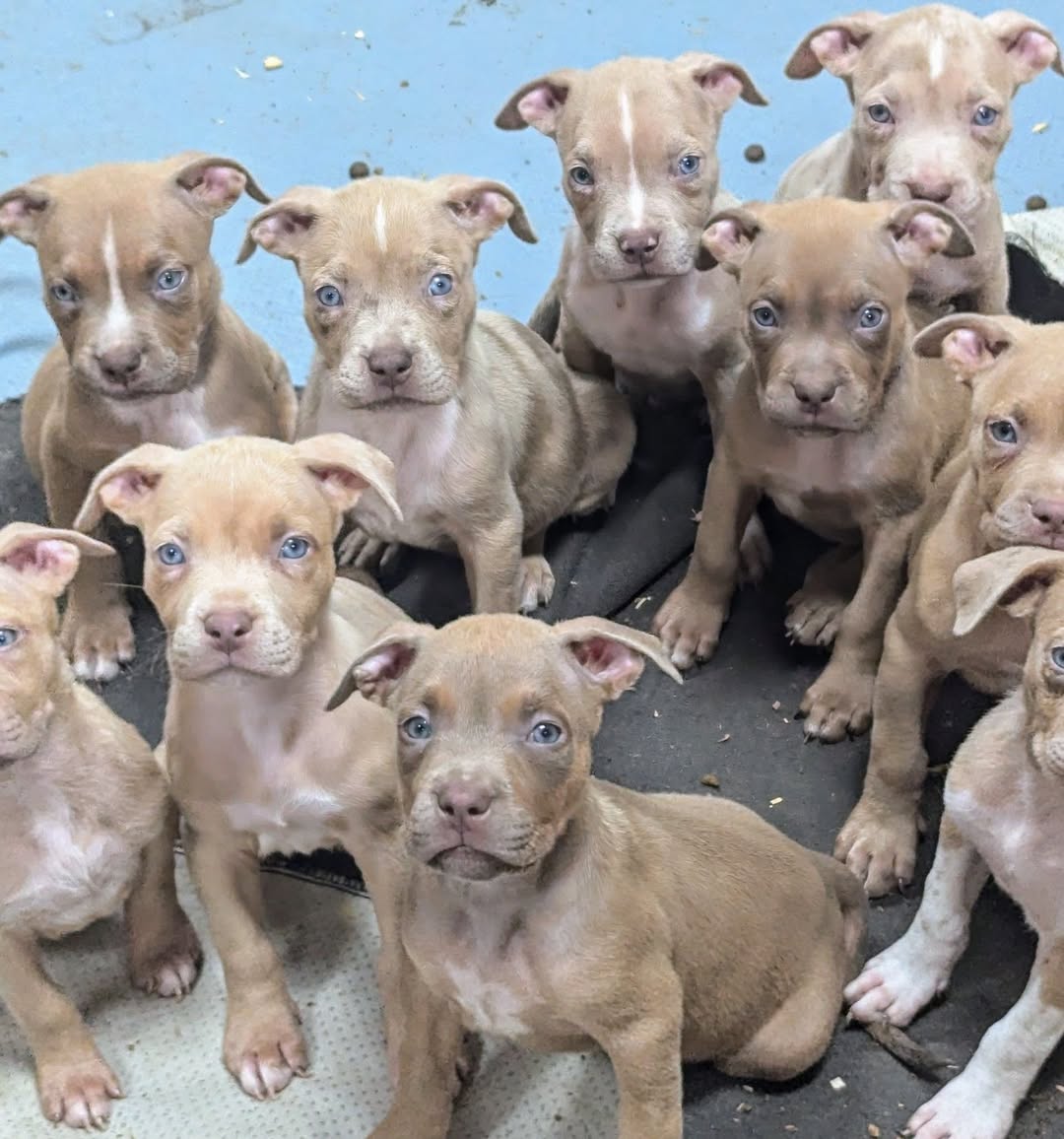
A Brazilian Bull puppy supply checklist is not about filling a cart with every product marketed to new dog owners. It is about preparing for a powerful, family-raised dog with the space, structure, and daily consistency to develop well. The right setup keeps the first weeks calmer for your puppy and clearer for everyone in the home.
Brazilian Bulls are their own breed and should not be confused with XL American Bullies. Both can be impressive, substantial dogs when responsibly bred and raised, but they are separate programs with different breed backgrounds, pedigrees, and breeding goals. A good supply plan starts by respecting the individual puppy in front of you, its expected adult size, its personality, and the guidance provided by its breeder.
Start With a Safe, Controlled Home Setup
Before pickup day, decide where your puppy will sleep, eat, rest, and go outside. Puppies do not need unrestricted access to the house. Too much freedom too early makes housetraining harder, increases the chance of chewing or swallowing unsafe items, and can create habits that are difficult to correct later.
A properly sized crate is one of the most useful tools you can own. It should allow the puppy to stand, turn around, and lie down comfortably, without providing so much extra room that one end becomes a bathroom. Because a Brazilian Bull puppy may outgrow an initial crate quickly, some owners choose an adjustable crate with a divider. Others prefer to buy a temporary puppy-size crate and upgrade later. Either approach can work if the crate is secure, clean, and introduced as a positive resting space.
Use baby gates or an exercise pen to create a controlled area when direct supervision is not possible. Keep electrical cords, medications, cleaning products, children’s toys, small household items, and trash securely out of reach. A puppy-proofed home is not overly cautious. It is practical prevention during a stage when curiosity arrives before judgment.
Brazilian Bull Puppy Supply Checklist: Daily Essentials
The most valuable supplies are the ones that support routine, safety, nutrition, and training every day. Have these items ready before your puppy comes home:
- A secure crate, puppy pen, or gated rest area
- Stainless steel food and water bowls that are easy to sanitize
- The food recommended by your breeder, plus a measured feeding scoop
- A durable flat collar, identification tag, and a standard six-foot leash
- A well-fitted harness for controlled walks and early leash practice
- Enzyme cleaner, paper towels, and a dependable supply of waste bags
- Durable chew toys in appropriate sizes, with no loose parts to swallow
- A grooming brush, nail trimmers or grinder, dog-safe shampoo, and towels
- A washable bed or crate mat that can handle frequent cleaning
Choose quality over clutter. Puppies do not need a mountain of toys, but they do need safe options for chewing, settling, and redirecting normal puppy behavior. Rotate a few toys at a time so they stay interesting, and inspect them regularly for cracks, torn fabric, or pieces that could come loose.
For bowls and feeding equipment, simple is usually better. Stable stainless steel bowls are durable and easy to maintain. Elevated feeders are often purchased for large-breed puppies, but they are not automatically necessary for every dog. Ask your veterinarian and breeder what fits your puppy’s individual needs rather than buying equipment based on appearance alone.
Food, Treats, and a Consistent Feeding Plan
The first days at home are not the time to make major food changes. Your breeder’s feeding instructions are a useful starting point because they reflect what the puppy has already been eating successfully. If you want to transition to another food, do it gradually and with professional guidance. Sudden changes can lead to digestive upset, which adds unnecessary stress during an already unfamiliar transition.
Use measured meals instead of guessing. A Brazilian Bull puppy’s feeding amount should be adjusted based on age, body condition, activity level, growth, and veterinary advice. The goal is not to push fast growth or chase a certain look. Sound development, healthy condition, and steady routines matter more than overfeeding.
Keep training treats small and limited. You will use many repetitions during the first several months for name recognition, recall, crate comfort, leash skills, and household manners. Tiny, soft treats are often more practical than large snacks. Remember to account for treats within the puppy’s overall daily intake.
Fresh water should be available throughout the day, with sensible management around bedtime while you establish a potty routine. Your puppy needs frequent trips outside after waking, eating, playing, and drinking. Consistency is far more effective than punishment when accidents happen.
Training Supplies Are Part of Responsible Ownership
A muscular, confident adult dog begins as a puppy that learns boundaries early. Your supplies should make it easy to reward the behavior you want instead of repeatedly reacting to behavior you do not.
Keep a treat pouch near the main living area and another near the door. This makes it easier to reward calm greetings, sitting before meals, coming when called, and walking politely toward the yard. A long line can also be useful for supervised recall practice in a safely enclosed area. It is not a substitute for a fence, and it should never be used without direct supervision.
Consider a notebook or shared phone calendar for meals, potty breaks, training progress, vaccinations, deworming records, and veterinary appointments. This may sound basic, but it helps families stay consistent when several people share care responsibilities. It also gives your veterinarian a clearer picture if questions arise about appetite, digestion, sleep, or behavior.
Socialization supplies are less about buying products and more about planning controlled experiences. A secure leash, clean travel crate, and vehicle restraint make it easier to introduce your puppy to new surfaces, calm visitors, handling, grooming, and age-appropriate environments. Prioritize positive, measured exposure. A busy public setting is not always the best first outing, especially before your veterinarian confirms your puppy’s vaccination plan.
Grooming and Health Items to Keep Ready
Short-coated dogs still benefit from regular grooming. Brushing helps remove loose hair, supports skin checks, and teaches your puppy that handling is normal. Start early with brief, calm sessions that include touching paws, ears, tail, and mouth. These simple habits can make future nail trims, baths, and veterinary exams less stressful.
Your health-and-grooming area should include basic supplies, but it should not replace veterinary care. Keep a digital or physical folder with your puppy’s records, including registration information when applicable, pedigree documentation, health records, purchase paperwork, and your breeder’s contact information. Responsible breeders provide transparent information about the puppy and its program, and responsible owners keep that information organized.
Schedule a veterinarian visit soon after bringing your puppy home according to your breeder’s agreement and local veterinary guidance. Discuss vaccines, parasite prevention, feeding, growth monitoring, safe exercise, and any questions about your individual dog. Avoid relying on social media advice for medical decisions, especially with a developing puppy.
Prepare for Size Without Rushing Development
Brazilian Bull owners should plan for a dog that deserves capable handling and enough room to move comfortably. That does not mean turning puppyhood into an athletic conditioning program. Young dogs need age-appropriate play, short training sessions, safe surfaces, and rest. Repeated high-impact jumping, forced running, and long strenuous outings are poor substitutes for patient development.
Choose a leash, collar, harness, crate, and vehicle setup with future size in mind, but check fit frequently while your puppy grows. Gear that is too loose can allow a puppy to slip out. Gear that is too tight can cause discomfort and interfere with movement. A properly fitted harness may be especially helpful while teaching controlled walking, though every puppy responds differently.
For travel, secure the puppy in a crate or properly designed vehicle restraint. Allowing a puppy to roam freely in a moving vehicle is unsafe for both the dog and the people inside. Bring water, cleanup supplies, and a familiar blanket for longer rides, but avoid making car travel overwhelming during the first few trips.
Ask Your Breeder What Should Come Home With Your Puppy
A responsible placement process includes communication, not just a pickup date. Ask what food your puppy is currently eating, what schedule it follows, whether it has started crate training, what type of collar or harness fits best, and what records will be provided. Clarify the timing of veterinary visits, registration paperwork, and any contractual expectations before pickup day.
Showtime Bullies places Brazilian Bull development at the center of its forward-looking program while continuing its established XL American Bully work as a separate legacy program. Families and breeders should expect clear breed-specific information, documentation, and honest guidance suited to the dog they are bringing home.
Your supplies will not create good ownership on their own. The crate, leash, food bowl, and toys are simply tools. What shapes a well-adjusted Brazilian Bull puppy is calm leadership, daily structure, respectful handling, appropriate socialization, and the willingness to ask for experienced guidance when you need it.